

Market Cap $36.60 B
Share Price $54.48
Annual Revenue $13.01 Billion USD
Earnings $2.95 Billion USD
Las Vegas Sands Stock Performance
Las Vegas Sands Corp. is a global developer and operator of integrated resorts, combining luxury hotels, casinos, retail, entertainment, and convention facilities. Founded in 1988 and headquartered in Las Vegas, Nevada, the company has shifted its focus almost entirely to Asia, with major operations in Macao and Singapore. Unlike online first operators such as DraftKings, Las Vegas Sands is heavily rooted in physical, high end destination resorts. It is widely recognized for landmark properties like Marina Bay Sands in Singapore and other multiple large scale resorts in Macao, positioning itself as a leader in premium, tourism driven gaming and hospitality.
Year by Year Reports
Las Vegas Sands’ performance over time reflects its reliance on tourism, economic cycles, and regional demand in Asia, particularly Macao and Singapore. The company experienced a large decline during the COVID 19 period, followed by a strong recovery driven by returning travel demand and high end gaming activity. The table below highlights its market cap evolution and key strategic developments.
| Year | Market Cap (USD) | Change vs Previous Year | Key Events & Strategic Updates | Full Report |
| 2026 | $37.03 B |
-18.49% |
Market volatility, continued focus on Asia operations | N/A |
| 2025 | $45.44 B |
+20.86% |
Strong recovery driven by Macao and Singapore demand | Download Full Report Here |
| 2024 | $37.59 B |
+1.42% |
Stabilization post pandemic, steady growth | Download Full Report Here |
| 2023 | $37.07 B |
+0.93% |
Recovery phase continues, tourism returns | Download Full Report Here |
| 2022 | $36.73 B |
+27.74% |
Reopening of Asian markets, early recovery | Download Full Report Here |
| 2021 | $28.75 B |
-36.83% |
COVID impact on travel and casino operations | Download Full Report Here |
| 2020 | $45.52 B |
-13.69% |
Global shutdowns impact tourism and gaming | Download Full Report Here |
Company History
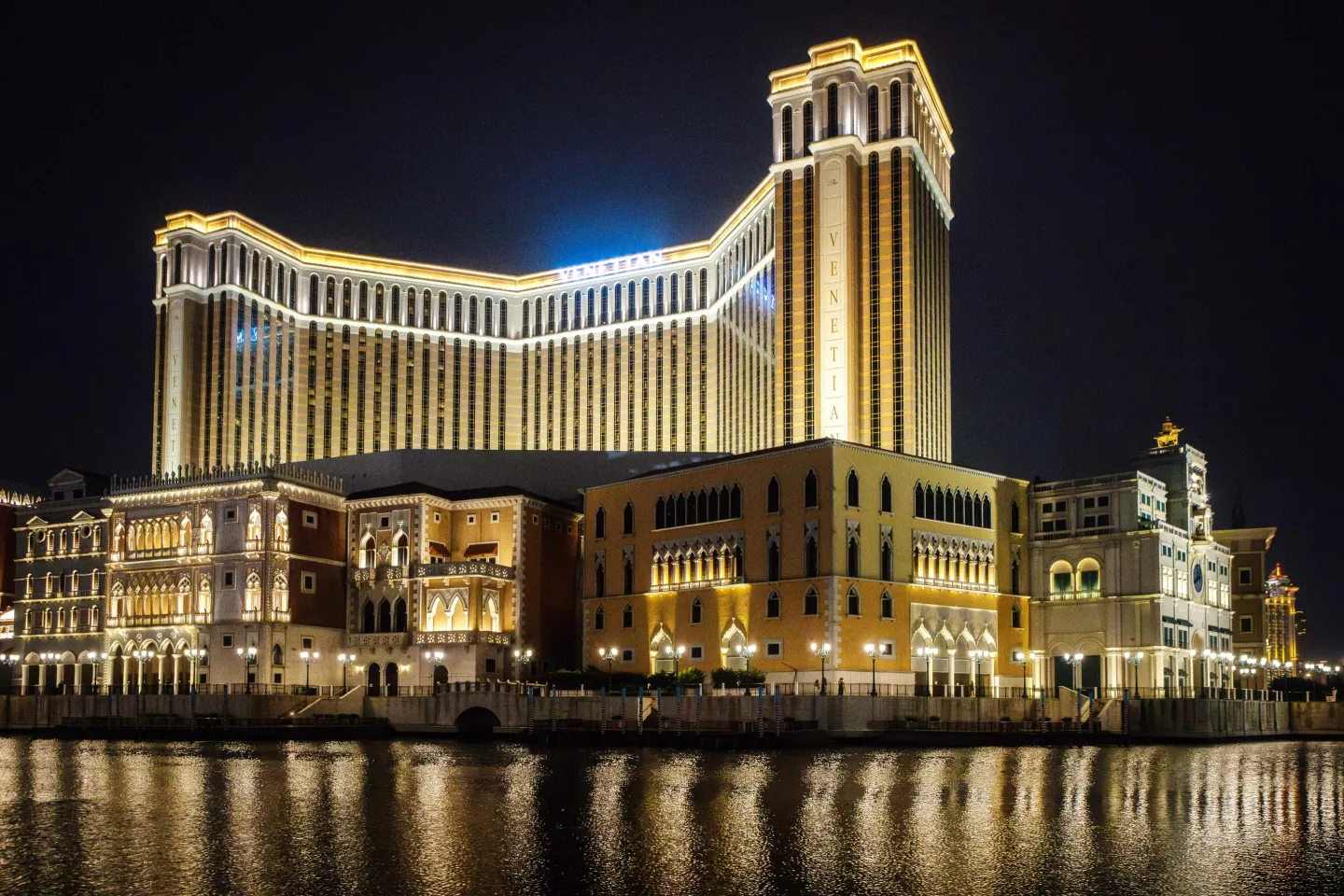
Las Vegas Sands was founded by Sheldon Adelson and initially focused on convention based casino resorts in Las Vegas. The company’s early success came from integrating large scale convention centers with casino and hotel operations, creating a new model for destination gaming. Its major turning point came in the early 2000s when it expanded into Macao, becoming one of the first U.S. operators to enter the market. This move positioned the company at the center of the world’s largest gambling hub.
During its growth phase, Las Vegas Sands developed multiple large scale properties in Macao, including The Venetian Macao, and later expanded into Singapore with Marina Bay Sands, regarded as one of the most iconic integrated resorts globally. In recent years, the company has doubled down on Asia, selling its Las Vegas assets to focus entirely on Macao and Singapore. This instant shift reflects its belief in long term growth driven by tourism and high value gaming in these regions.
Financial & Performance Metrics
Las Vegas Sands operates a different financial model compared to online gambling companies, relying heavily on physical resorts, tourism flows, and high value customers. As of 2026, the company’s market capitalization is approximately $37 billion, with revenue reaching over $11.29 billion in 2024, that is showing continued recovery following pandemic related disruptions.
Its performance is closely tied to visitor volumes in Macao and Singapore, as well as bigger economic conditions affecting travel and luxury spending. Growth tends to accelerate during periods of strong tourism demand and weaken during global disruptions.
The company’s revenue is driven by several core segments:
- Casino gaming (VIP and mass market)
- Hotel and resort operations
- Retail and shopping malls
- Entertainment and conventions
Products & Services
Las Vegas Sands offers a premium, experience driven product centered around integrated resorts rather than purely digital gaming. Its properties are designed to combine entertainment, luxury, and gambling into a single destination, targeting both high end and mass market customers.
Its core offerings include:
- Casino gaming (table games, slots, VIP rooms)
- Luxury hotel accommodations
- Convention and exhibition centers
- Retail malls and dining experiences
- Entertainment and live events
What differentiates the company is its focus on scale and experience. Properties like Marina Bay Sands are not just casinos, they are full entertainment ecosystems that attract tourists, business travelers, and high value gaming customers. This integrated model allows Las Vegas Sands to generate revenue across multiple channels, not just gambling.
People (Leadership & Key Figures)
Las Vegas Sands has been shaped by its founder Sheldon Adelson, who played a major role in defining the integrated resort model. Today, the company is led by CEO Robert Goldstein, who has been instrumental in continuing the company’s Asia focused strategy. Leadership has maintained a clear long term vision centered on large scale resort development and premium customer experiences.
The executive team focuses heavily on capital allocation, expansion projects, and maintaining strong relationships with regulators in key markets like Macao and Singapore. Given the scale of its operations, leadership decisions are often tied to multi billion dollar investments and long term tourism trends.
Geographic Presence
Las Vegas Sands operates in a relatively concentrated set of markets, but with strong presence in each. Its strategy is not about global spread, but about building dominant, large scale properties in key regions.
In Macao, which is the largest gambling market in the world, the company operates multiple integrated resorts offering:
- Casino gaming (VIP and mass market)
- Hotels and luxury suites
- Retail malls and entertainment venues
In Singapore, through Marina Bay Sands, the company offers:
- Casino gaming
- Luxury hotel and hospitality services
- Convention and exhibition facilities
- High end retail and dining
The company no longer operates in Las Vegas after selling its U.S. assets, and it does not currently have a presence in online gambling markets. Its geographic strategy is therefore highly focused, with revenue heavily dependent on Asia, particularly Macao and Singapore.
Regulatory & Compliance
Las Vegas Sands operates under strict regulatory frameworks in each of its key markets. In Macao, it is licensed by the Macao Gaming Inspection and Coordination Bureau, which oversees all casino operations and licensing in the region. In Singapore, its operations are regulated by the Casino Regulatory Authority of Singapore, which enforces strict rules around gaming, compliance, and responsible gambling.
These regulatory bodies focus on detailed requirements on operations, including licensing renewals, anti money laundering controls, and responsible gaming measures. At the moment, because the company operates in only a few jurisdictions, changes in regulation in these regions can have a significant impact on its overall business.
Risks & Challenges
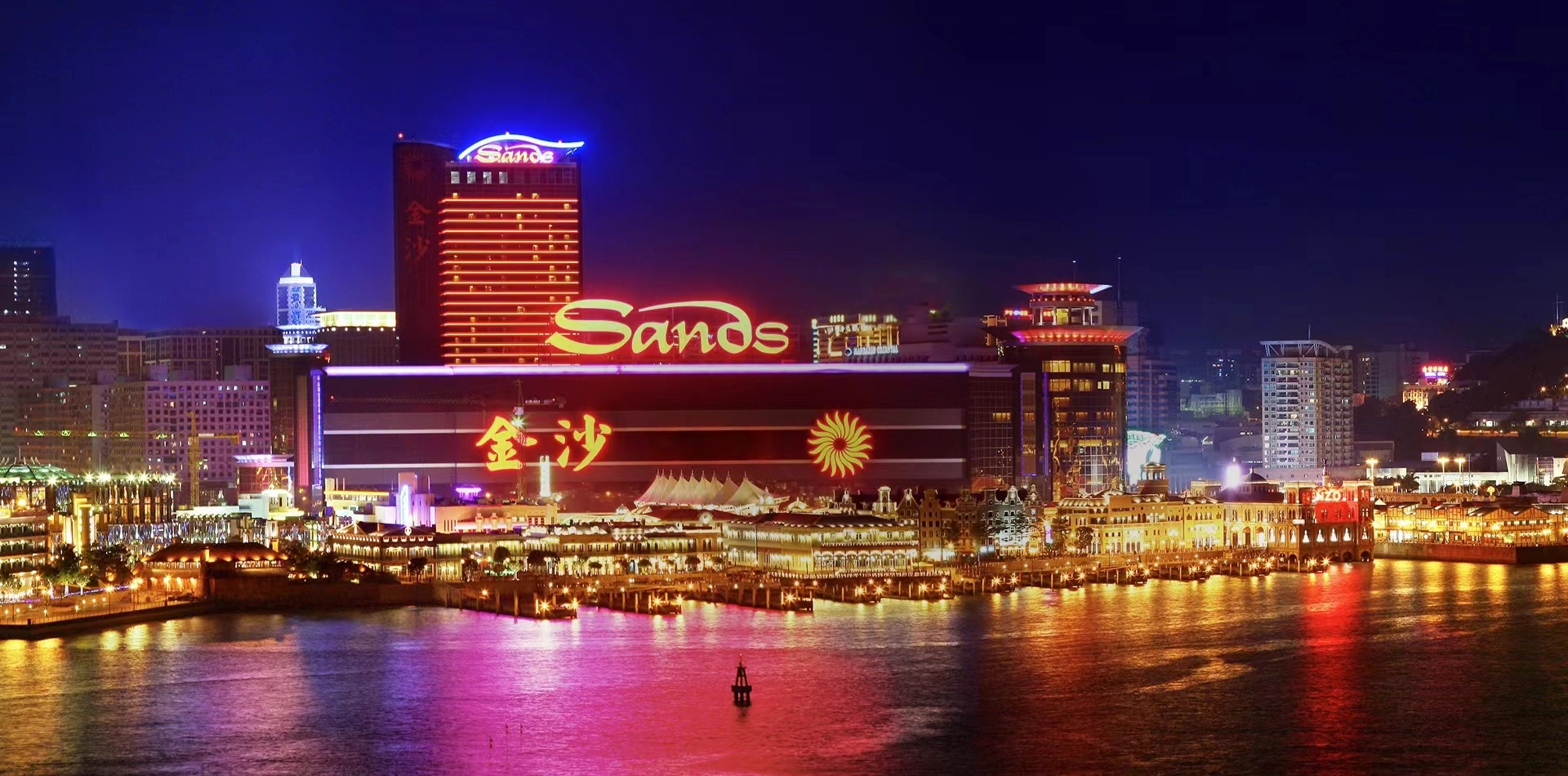
Las Vegas Sands faces a unique set of risks due to its concentrated geographic presence. A large portion of its revenue is tied to Macao and Singapore, making it much vulnerable to regulatory changes, economic shifts, and travel restrictions in those regions. For example, policy changes in China or changes in tourism can directly affect performance.
Competition is also strong within the integrated resort space, with other major operators like MGM Resorts and Wynn Resorts competing for market share. In addition, the capital intensive nature of the business means ongoing investment is required to maintain and upgrade properties.
There are also more extensive risks related to global travel trends, economic cycles, and public perception of gambling, particularly in regulated markets where governments play a significant role in industry oversight.
Future Outlook
Looking ahead, Las Vegas Sands’ growth will largely depend on continued recovery and expansion in Asian tourism markets. Macao remains a key driver, with long term growth tied to visitation from mainland China, while Singapore continues to perform strongly as a premium destination.
The company is expected to continue investing in its existing properties, particularly large scale expansion projects in Singapore, while exploring potential opportunities in new regulated markets. However, unlike many competitors, it has not yet moved into online gambling, which could represent either a missed opportunity or a deliberate strategic choice.
Key drivers of future growth include:
- Casino gaming in Macao and Singapore
- Luxury tourism and hospitality demand
- Expansion of integrated resort facilities
- High value customer segments
Overall, Las Vegas Sands is positioned as a high end, experience driven gaming operator, with its success closely tied to global travel trends and the performance of its leading resorts.
Sources & References
The information used in this report is based on a combination of financial data platforms, official company disclosures, and industry coverage.
Key sources include: