

Market Cap $10.04 B
Share Price $36.73
Annual Revenue $17.53 Billion USD
Earnings $0.28 Billion USD
MGM Resorts Stock Performance
MGM Resorts International is a global hospitality and entertainment company best known for its large scale casino resorts, primarily in the United States. Founded in 1986 and headquartered in Las Vegas, Nevada, the company operates some of the most recognizable properties on the Las Vegas Strip, including MGM Grand and Bellagio. Over time, it has expanded beyond traditional casinos into entertainment, digital gaming, and sports betting.
Unlike companies focused purely on online gambling, MGM have a combination of physical destination resorts with a growing digital presence through its joint venture BetMGM. This hybrid model allows it to capture both tourism driven revenue and the increasing demand for online betting, positioning it as a diversified player within the global gambling industry.
Year by Year Reports
MGM Resorts’ performance has been shaped by tourism trends, economic conditions, and its gradual expansion into digital gaming. The company experienced a significant decline during the pandemic period, followed by recovery driven by Las Vegas demand and steady growth in its online segment.
| Year | Market Cap (USD) | Change vs Previous Year | Key Events & Strategic Updates | Full Report |
| 2026 | $9.92 B |
-3.69% |
Stable performance, continued focus on digital expansion | N/A |
| 2025 | $10.30 B |
-0.45% |
Growth in BetMGM, steady Las Vegas operations | Download Full Report Here |
| 2024 | $10.35 B |
-32.17% |
Market pressure despite operational stability | Download Full Report Here |
| 2023 | $15.26 B |
+18.53% |
Strong recovery driven by tourism rebound | Download Full Report Here |
| 2022 | $12.87 B |
-38.82% |
Post pandemic adjustments and cost pressures | Download Full Report Here |
| 2021 | $21.04 B |
+35.23% |
Recovery phase begins after COVID disruption | N/A |
| 2020 | $15.56 B |
-7.02% |
Pandemic impact on travel and casino operations | N/A |
Company History
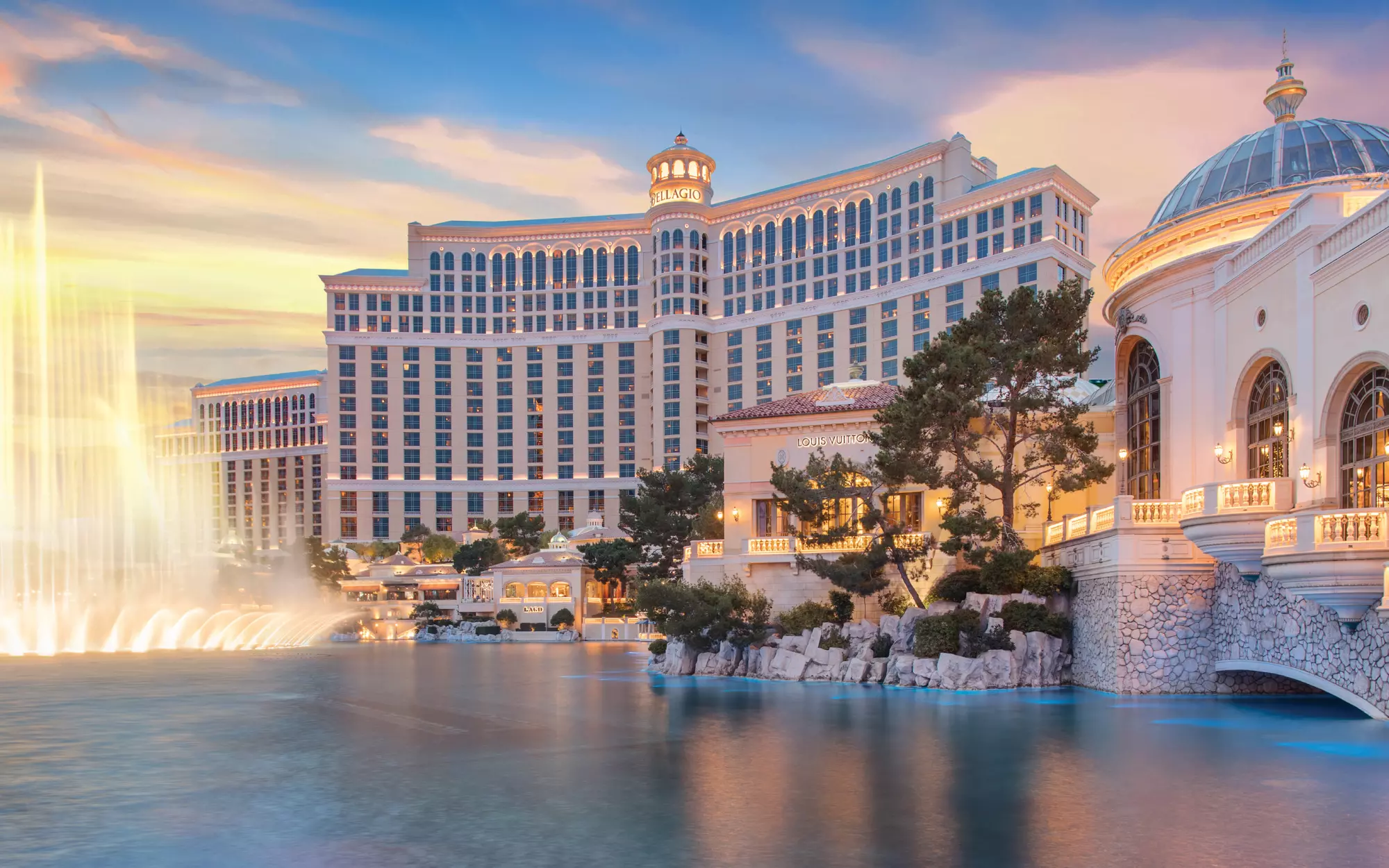
MGM Resorts traces its origins back to the development of large scale casino resorts in Las Vegas, building a reputation around entertainment driven destinations rather than focusing only on gaming focused venues. Over the years, it expanded its footprint across the U.S. and internationally, including a presence in Macau through MGM China.
During its growth phase, MGM invested heavily in iconic properties and entertainment experiences, helping redefine Las Vegas as a global entertainment hub. More recently, the company has shifted part of its strategy toward digital gaming, forming BetMGM in partnership with Entain to compete in the growing U.S. online betting market.
This shift reflects an industry trend, where traditional operators are trying to balance physical assets with digital expansion to remain competitive.
Financial & Performance Metrics
MGM Resorts operates a mixed business model, combining physical resorts with digital betting operations. As of 2026, the company has a market capitalization of around $9.92 billion, showing a more moderate valuation compared to some of its larger competitors.
Its performance is closely tied to tourism levels in Las Vegas and regional markets, as well as the growth of its digital segment. Revenue is driven by multiple streams:
- Casino gaming (slots and table games)
- Hotel and resort operations
- Food, beverage, and entertainment
- Digital betting through BetMGM
Compared to purely online operators, MGM tends to show more stable but slower growth, with performance influenced by travel demand and wider economic conditions.
Products & Services
MGM Resorts offers a mix of physical and digital gaming experiences, built around massive scale entertainment destinations and an expanding online presence.
Its core offerings include:
- Casino gaming (slots, table games, VIP gaming)
- Hotel and resort accommodations
- Live entertainment, shows, and events
- Dining, nightlife, and retail experiences
- Online sports betting and iGaming (via BetMGM)
The company’s strength lies in its ability to combine multiple experiences into a single destination. Its resorts are designed to attract not just gamblers, but tourists, event attendees, and high end customers, creating multiple revenue streams beyond gaming alone.
People (Leadership & Key Figures)
MGM Resorts is led by CEO Bill Hornbuckle, who has overseen the company’s recovery following the pandemic and its expansion into digital gaming. Leadership has focused on balancing operational efficiency with long term growth initiatives, particularly in the online betting space.
The management team places a strong emphasis on capital allocation, property optimization, and strategic partnerships. Given the scale of its operations, leadership decisions often involve significant investments in both physical infrastructure and digital platforms.
Geographic Presence
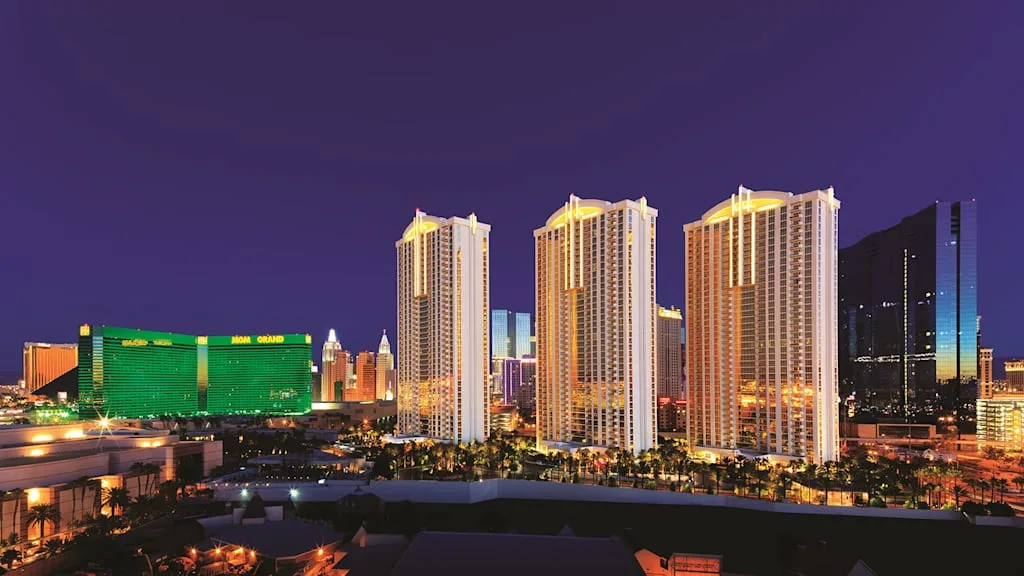
MGM Resorts operates primarily in the United States, with a strong concentration in Las Vegas, where many of its most well known properties are located. Its presence also extends to regional U.S. markets and internationally through selected partnerships and developments.
In the United States, the company offers:
- Casino gaming and resort experiences
- Hotels, entertainment, and dining
- Sports betting and online gaming (via BetMGM)
In Macau, through MGM China, it operates:
- Casino gaming
- Luxury hotel and resort services
- Entertainment and hospitality offerings
Across digital markets in the U.S., the company provides:
- Online sports betting
- iGaming and casino products
Overall, MGM’s footprint is a mix of physical dominance in Las Vegas and growing digital reach across regulated U.S. states.
Regulatory & Compliance
MGM Resorts operates under a range of regulatory authorities depending on the region. In the United States, its casino operations are licensed by state level gaming regulators, including bodies such as the Nevada Gaming Control Board and other state commissions.
In Macau, its operations are regulated by the local gaming authority, which oversees licensing, compliance, and operational standards for casino operators.
For its digital business, including BetMGM, the company must obtain separate licenses in each U.S. state where online betting is legal. This creates a complex regulatory environment that requires continuous compliance with evolving rules around advertising, taxation, and responsible gambling.
Risks & Challenges
MGM Resorts faces several challenges tied to its hybrid business model. One of the main risks is its reliance on tourism, particularly in Las Vegas, where performance is closely linked to travel demand and economic conditions.
Competition is also intense, both in physical casinos and in the online betting space. In digital markets, BetMGM competes with operators like DraftKings and FanDuel, often requiring significant marketing spend to maintain market share.
Additionally, the company faces regulatory risks, as changes in gaming laws or tax structures can impact profitability. The capital intensive nature of its resorts also means ongoing investment is required to maintain competitiveness.
Future Outlook
Looking ahead, MGM Resorts is expected to continue focusing on both its core resort business and its digital expansion. Las Vegas remains a key revenue driver, with long term growth tied to tourism and entertainment demand.
At the same time, BetMGM represents a major growth opportunity, particularly as more U.S. states legalize online betting. The company is likely to continue investing in this area to strengthen its competitive position.
Key drivers of future growth include:
- Continued recovery and growth in Las Vegas tourism
- Expansion of online sports betting and iGaming
- Development and enhancement of resort properties
- Strategic partnerships in digital gaming
Overall, MGM Resorts sits in a unique position between traditional and digital gambling, and its future performance will depend on how effectively it balances these two areas.