
AGA and Tribal Gaming Groups Push Congress to Crack Down on Prediction Markets
Gaming and tribal organizations are urging Congress to stop prediction markets from bypassing state-regulated sports betting laws.
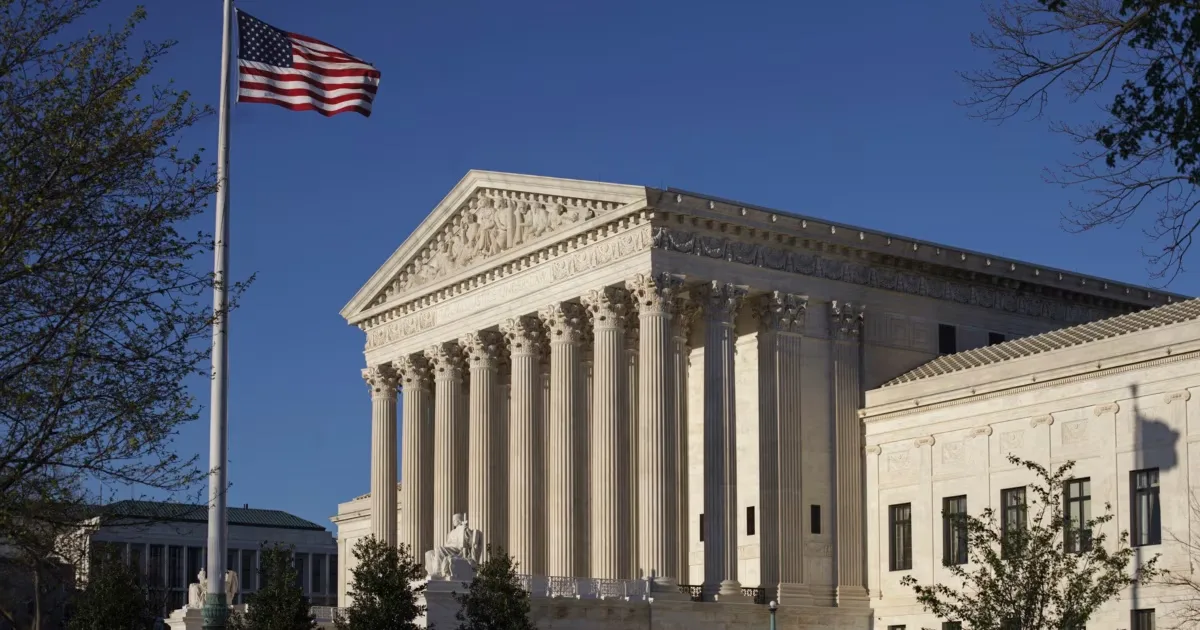
The growing battle over prediction markets in the United States has intensified after the American Gaming Association (AGA) and the Indian Gaming Association (IGA) jointly urged Congress to stop federally regulated prediction platforms from offering what they describe as nationwide gambling products disguised as “event contracts.”
In a recent letter sent to lawmakers, the two organizations asked Congress to include clearer restrictions in upcoming digital asset legislation to prevent prediction market operators from bypassing state gaming laws and tribal gaming protections.
The issue has quickly become one of the biggest regulatory fights in the modern gambling industry, particularly as platforms such as Kalshi continue expanding sports-related prediction contracts across the United States.
Gaming Industry Groups Say Prediction Markets Resemble Sports Betting
According to the AGA and IGA, many prediction market contracts now function almost identically to traditional sports betting products.
The groups argued that consumers are effectively placing wagers on sporting events through federally regulated platforms while avoiding the licensing, taxation, and oversight systems required for sportsbooks operating under state law.
The organizations also warned that prediction markets are undermining tribal sovereignty and existing gaming agreements that many states rely on economically.
In the letter, the AGA and IGA stated that these contracts “mislead consumers into believing that a sports bet is an investment” while creating risks tied to money laundering, match-fixing, and weaker consumer protections.
The groups are specifically pushing Congress to clarify that federally regulated event contracts cannot be used to conduct nationwide sports betting or casino-style gambling outside state and tribal frameworks.
Prediction Markets Continue Expanding Rapidly
Prediction markets have expanded aggressively over the last 18 months, particularly after companies began offering sports-related event contracts in 2025.
Platforms such as Kalshi have increasingly moved beyond financial and political events into sports betting-style markets, including single-game outcomes, spreads, and prop-style contracts that closely resemble traditional sportsbook products.
The rapid growth has created major tension between federal regulators, state gaming commissions, tribal gaming groups, and sportsbook operators.
Currently, sports betting is legal and regulated at the state level across much of the United States following the Supreme Court’s 2018 decision striking down PASPA. Prediction markets, however, operate under federal oversight through the Commodity Futures Trading Commission (CFTC).
That regulatory split has created growing confusion over jurisdiction and enforcement.
States and Tribal Groups Continue Fighting Back
The AGA and IGA are not alone in their concerns.
Several state regulators and attorneys general have also argued that sports event contracts offered by prediction market platforms are effectively unlicensed sports betting products operating outside state authority.
The broader gambling industry fears prediction market operators could eventually bypass traditional licensing systems entirely if federal law does not clearly separate event contracts from regulated gambling activity.
For tribal operators in particular, the issue carries major financial implications. Tribal gaming agreements across multiple states are tied directly to exclusivity protections and regulated market structures. Industry groups argue prediction markets threaten those agreements by creating alternative nationwide betting products that do not follow the same rules.
Congress and Regulators Face Growing Pressure
The debate surrounding prediction markets is expected to remain a major topic throughout 2026 as Congress, the CFTC, and state gaming regulators continue weighing possible legislation and rule changes.
Multiple bills connected to prediction markets and event contracts have already been introduced this year, while federal regulators continue reviewing public comments tied to the growing sector.
For now, the gambling industry’s position has become increasingly clear: traditional gaming operators and tribal organizations do not want prediction markets expanding deeper into sports betting without being subject to the same state and tribal regulations that govern the rest of the gambling industry.
Stay tuned to UMG Gaming for more updates on prediction markets, tribal gaming, and the evolving U.S. gaming landscape.
About the author
CJ
Christian Joseph “CJ” Zambale is a journalist and content specialist who covers the iGaming and esports industries.