
Can Sweepstakes Casinos Survive 2026? Predictions for a Changing Industry
Sweepstakes casinos face new bans, intense legal scrutiny, and rapid market change—2026 may see the industry shrink, regulate, and reinvent itself to survive.

A billion-dollar sweepstakes casino industry, once flourishing amid regulatory gaps, now finds itself on the edge of transformation as the 2026 horizon brings an unprecedented wave of bans, legal battles, and industry restructuring. Can sweepstakes casinos survive the year? The answer is as much about the evolution of law as it is about the resilience—and reinvention—of the platforms themselves.
The Legislative Reckoning Accelerates
2025 was a landmark year for state regulation as legislatures and attorneys general took aggressive steps to close the sweepstakes casino loophole.
The dual-currency model—offering free “Sweepstakes Coins” alongside paid “Gold Coins,” redeemable for cash—has been criminalized across multiple states. California’s Assembly Bill 831, unanimously passed in September, is set to become law and will explicitly ban sweepstakes casinos simulating real-money gambling starting January 1, 2026.
This bill not only punishes operators but expands liability to payment providers, celebrity endorsers, content suppliers, and media affiliates—reflecting the high-stakes scrutiny facing the broader sweepstakes ecosystem.
Other states have enacted or are about to enforce parallel bans:
- California AB 831 will ban online sweepstakes casinos using dual-currency models, with broad industry support and controversy over enforcement costs, pending final approval by the Governor.
- Louisiana lawmakers passed a ban, but Governor Edwards vetoed it in September. With no override expected, sweepstakes casinos remain temporarily legal in the state.
- New Jersey’s AB 5447 set new restrictions and responsible gambling guidelines for sweepstakes casinos, expanding consumer protections and regulatory oversight.
- Connecticut SB 1235 criminalized virtual coin sweepstakes casinos as a Class D felony, with strict enforcement effective October 2025.
- Nevada SB 256 increased regulatory penalties against unlicensed sweepstakes casino schemes, resulting in aggressive statewide enforcement.
The legislative trend is clear: states aim to eliminate unregulated gambling, protect tribal and commercial casino interests, and redirect taxable revenue away from sweepstakes sites.
Enforcement and Litigation: The New Battlefield
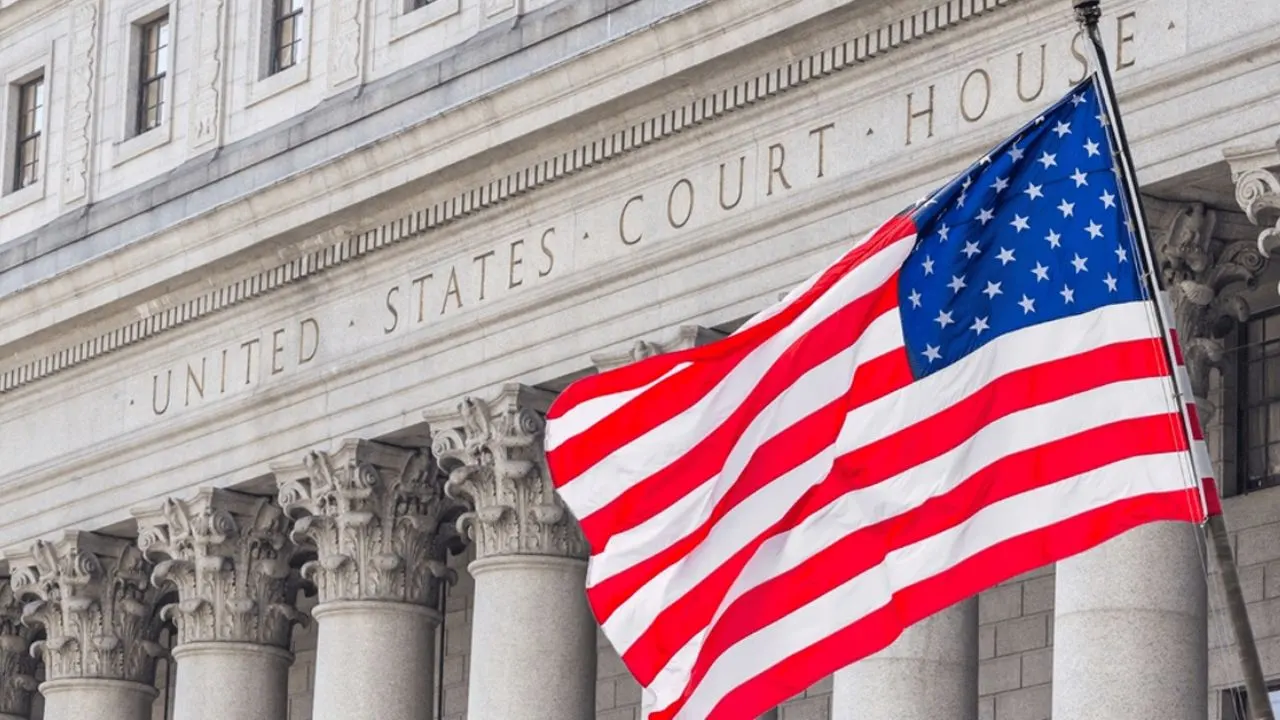
The crackdown goes far beyond legislative acts. The Michigan Gaming Control Board issued nine cease-and-desist letters to unlicensed sweepstakes operators in early 2025, while Maryland regulators followed with similar actions. New York’s Attorney General ordered 26 platforms to halt operations, citing “virtual coins with cash-out options” as gambling under state law.
Litigation has multiplied as both class-action suits and direct lawsuits have targeted operators and their support networks—payment processors and app stores included—holding them accountable for allegedly promoting illegal online gambling or deceptive business practices.
Consolidation and Industry Shakeout
With mounting legal risks, the sweepstakes casino sector faces an inevitable shakeout and consolidation. Large brands with the legal and financial resources to defend their business models, strengthen compliance, and adapt to shifting laws—think Chumba, Fliff, and Luckyland—may survive through deep lobbying, KYC/AML upgrades, and technological investment.
Hundreds of smaller platforms, however, face mergers, shutdowns, or pivots to social or pure sweepstakes models without casino elements, as state bans multiply.
Operators are focusing compliance efforts on:
- Robust geolocation and KYC procedures to block restricted states and underage players.
- Transparent language and terms, avoiding gambling keywords to position as legitimate sweepstakes.
- Enhanced responsible gaming—spending limits, player protections, educational resources.
- Rapid adaptation—responding to enforcement notices, updating user agreements, and lobbying for new regulatory frameworks.
Technology, Innovation, and International Expansion

Tech remains a crucial survival tool. As bans proliferate, platforms invest in:
- Blockchain for transaction transparency and provable fairness.
- AI-driven personalization—curating game offers, bonus systems, and fraud detection.
- Mobile-first and cross-platform engagement to capture a broader audience as access shrinks.
- Social gaming mechanics—leaderboards, group rewards, instant tournaments—to retain player loyalty.
For those unable to adapt in the U.S., expansion to regulated international markets (Europe, Canada, Latin America) offers a lifeline, leveraging lessons learned from American legal ambiguity to thrive in more stable jurisdictions.
Industry, Tribal, and Player Perspectives
The monumental momentum behind legislation like California’s Assembly Bill 831 demonstrates that 2026 will be a turning point for sweepstakes casinos. The bill did not begin as a sweepstakes ban—in fact, its fast-tracked “gut-and-amend” process pivoted suddenly to address online sweepstakes gambling, indicative of how swiftly priorities can shift in response to tribal gaming coalitions and public concern.
Both the Indian Gaming Association and the California Nations Indian Gaming Association rallied bipartisan support, intent on defending their market share and reinforcing tribal sovereignty over regulated gaming in the state.
Industry debate has shifted rapidly: major panels and trade groups now argue that sweeps casino regulation and taxation—not blanket bans—would better protect consumers, prevent tax leakage, and encourage technological innovation. However, critics assert that the very vagueness of these bills—sometimes omitting clear definitions of “dual currency systems” or “cash equivalents”—threatens legitimate promotional contests, affiliate marketing, and loyalty programs, along with unregulated casinos.
The result is mounting calls for national regulatory standards and federal hearings as states race one another to set precedents.
Lawmakers in states such as New York and Louisiana, after passing or considering bans, have begun to signal interest in future licensing models—possibly opening the door for sweepstakes casinos under strict regulatory and tax oversight.
In this model, digital platforms would become taxable, transparent business entities, required to meet rigorous standards on age verification, responsible gaming, and player data protection.
For players, the landscape remains volatile. While the promise of tighter restrictions suggests a future of greater safety, transparency, and recourse if disputes arise, the reality is mixed: abrupt platform shutdowns, inaccessible balances, and inadequate customer support have affected thousands during recent enforcement waves.
Advocacy groups are now pressing for mandatory audits, standardized processes for dispute resolution, and robust payment protection mechanisms to ensure consumer interests are not left behind as the legal environment fragments.
The Road Ahead: Predictions and Pathways
So, can sweepstakes casinos survive 2026? The answer is layered, with both threats and opportunities looming large:
- Not extinction—but consolidation. The industry will shrink, with fewer, more sophisticated platforms surviving under intense legal pressure and evolving markets.
- Potential for licensing and regulation. Some states may introduce frameworks for taxed, regulated sweepstakes casinos, especially as public opinion shifts and technology improves compliance.
- Ongoing litigation and reform. Outcomes of court cases will set precedents for how dual-currency, prize-based games are treated by law, shaping the next wave of operator strategy.
- Global play. Operators able to pivot internationally will buffer U.S. losses and influence global regulation.
For operators, regulators, and consumers, adaptation is the imperative. The era of unchecked legal loopholes is closing fast; survival will depend on transparency, compliance, and relentless reinvention. As enforcement tightens and legitimate frameworks emerge, sweepstakes casinos poised to lead in technology, responsible gaming, and global reach, will define the future of the industry well beyond 2026.
About the author
UMG Nation
UMG Nation is a feed dedicated to bringing you the latest and most pressing stories and thoughts on the ever-changing US iGaming scene. Stay up-top-the-minute with UMG.