
Federal Judge Lets Ho-Chunk Nation Lawsuit Against Kalshi Move Forward
The Ho-Chunk Nation scored an early legal win after a federal judge allowed its lawsuit against Kalshi’s sports prediction markets to move forward.
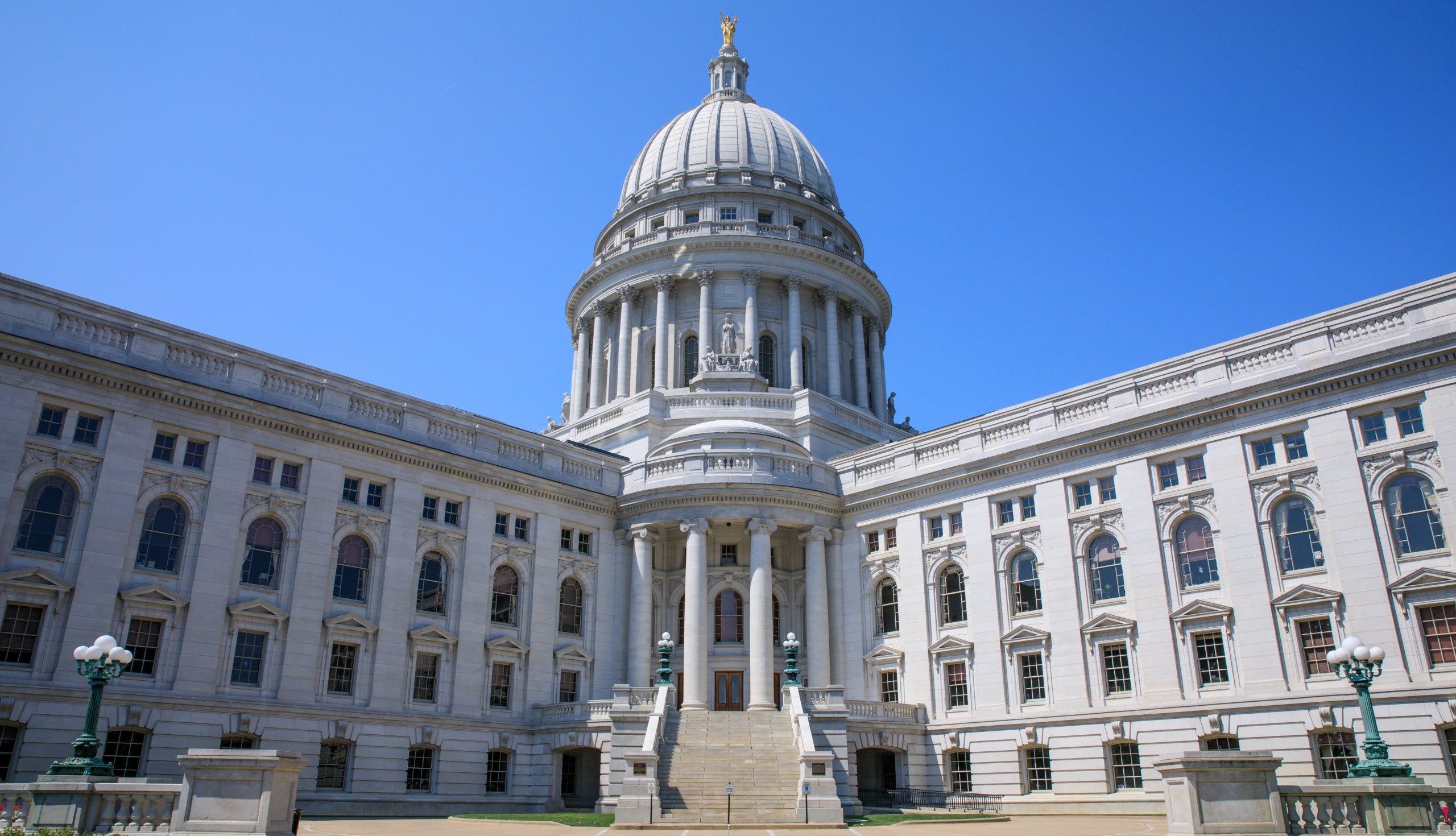
A federal judge in Wisconsin has allowed the Ho-Chunk Nation’s lawsuit against prediction market platform Kalshi to proceed, marking one of the most significant legal wins tribal gaming groups have secured so far in the growing battle over sports event contracts.
The Ho-Chunk Nation argues Kalshi’s sports markets violate the Indian Gaming Regulatory Act (IGRA) and infringe on the tribe’s exclusive Class III gaming rights under its state compact. Kalshi has maintained that its platform operates legally under federal oversight through the Commodity Futures Trading Commission (CFTC), framing its products as regulated event contracts rather than traditional sports betting.
Judge William Conley denied major parts of Kalshi’s motion to dismiss, allowing the core IGRA-related claims to continue while removing separate RICO and false advertising allegations from the case. Robinhood entities tied to Kalshi’s platform partnership were also dismissed as defendants.
The ruling stands out because Kalshi has spent the past year fighting regulators and gaming authorities across multiple states with mixed results. Courts in places like New Jersey and Arizona have previously sided with Kalshi on federal preemption arguments, while Nevada, Massachusetts, and several tribal groups have continued pushing back aggressively against the company’s expansion into sports-related contracts.
Read Also: Kalshi Partners With National Council on Problem Gambling
Tribal Gaming Groups Continue Pushing Back Against Prediction Markets
The Ho-Chunk Nation’s lawsuit centers heavily on tribal sovereignty and the argument that sports-event contracts function as gambling products being offered on tribal lands without approval or licensing agreements.
That issue has become increasingly sensitive across the iGaming industry as prediction markets continue expanding into sports. Operators like Kalshi argue the products belong under federal commodities regulation, while tribal gaming groups and state regulators view them as unlicensed sportsbooks operating outside traditional gambling frameworks.
The Wisconsin decision could end up carrying broader implications because the judge indicated the Ho-Chunk Nation demonstrated a “likelihood of success” on parts of its claims. That language immediately caught attention across gaming and legal circles, especially with several similar tribal lawsuits now emerging in other states, including New Mexico.
At the center of the dispute is a much larger question the industry still has not fully answered: where prediction markets actually fit inside US gambling regulation. The lines between financial exchanges, sports betting, and event wagering continue getting blurrier as operators expand into increasingly sportsbook-like products.
For tribal nations, the concern goes beyond competition alone. Tribal gaming compacts remain one of the foundations of regulated gambling across several US states, and many tribes view prediction markets as an attempt to bypass systems they spent decades negotiating and building.
About the author
CJ
Christian Joseph “CJ” Zambale is a journalist and content specialist who covers the iGaming and esports industries.