
Kalshi Files Lawsuit Against Iowa Officials in Latest Prediction Market Legal Battle
Kalshi has launched a legal challenge against Iowa regulators as the battle over prediction market jurisdiction continues across the U.S.

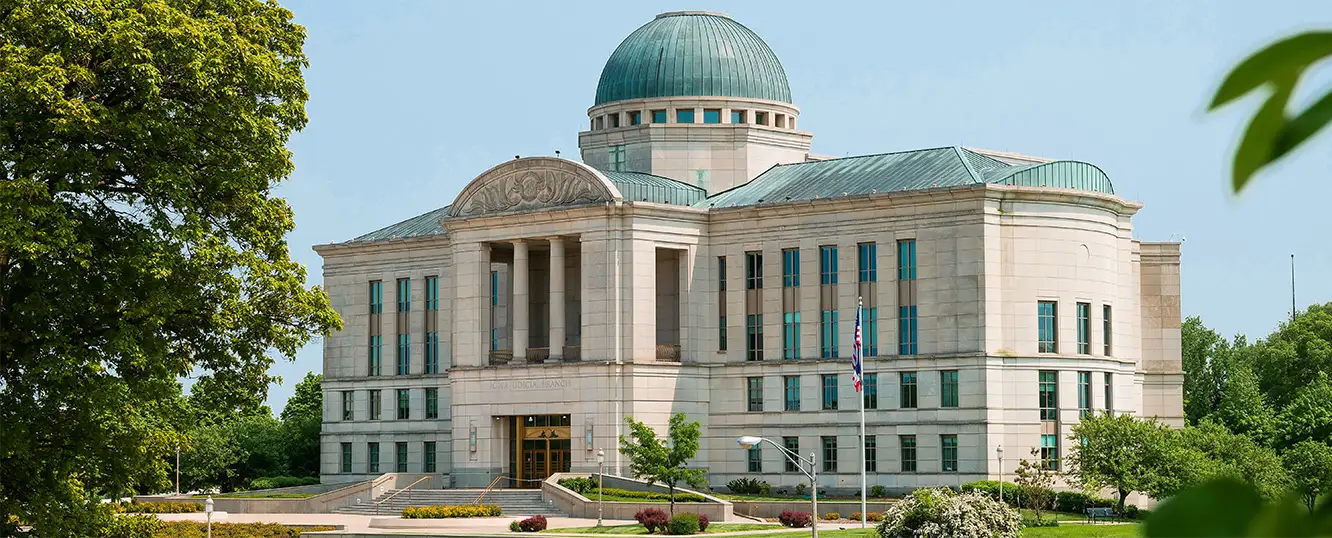
Prediction market platform Kalshi has filed a preemptive lawsuit against Iowa regulators, escalating its ongoing legal fight with U.S. states over whether prediction markets fall under federal financial regulation or state gambling laws.
The case highlights a growing conflict between the company and state regulators across the country as officials attempt to determine how platforms that allow users to trade on real world events should be regulated.
Kalshi argues that its markets operate under federal oversight and therefore should not be subject to state level gambling enforcement.
Kalshi Moves First Against Iowa Regulators
In its lawsuit, Kalshi is seeking a court ruling that would prevent Iowa officials from taking enforcement action against the platform.
The company filed the case before the state issued any formal cease and desist order. This strategy mirrors a broader legal approach Kalshi has taken in recent months as it attempts to secure favorable federal rulings before states intervene.
Kalshi’s legal argument centers on the claim that its event contracts fall under the jurisdiction of the Commodity Futures Trading Commission (CFTC), which regulates derivatives markets in the United States. If the courts agree with this interpretation, the company believes state gaming regulators would have limited authority to restrict its operations.
Iowa regulators, like officials in several other states, have questioned whether the platform’s markets resemble sports betting or other forms of gambling that normally fall under state jurisdiction.
The Bigger Fight Over Prediction Market Regulation
The lawsuit is part of a much larger legal battle unfolding across the country. Kalshi and other prediction market platforms allow users to trade contracts based on the outcome of real world events such as elections, economic indicators, and sports results.
These markets function similarly to financial derivatives, where users buy contracts tied to specific outcomes. However, critics argue the products closely resemble betting because participants are essentially wagering on future events.
The core legal dispute is whether prediction markets should be treated as financial products regulated by federal authorities or as gambling activities regulated by individual states.
That question is now being debated in courts across multiple jurisdictions as regulators attempt to determine where these platforms fit within existing U.S. law.
Growing Number of Lawsuits Across the U.S.
Kalshi is already involved in numerous legal disputes related to its prediction market operations. The company has filed or responded to cases in several states, including Nevada, New Jersey, Maryland, and Tennessee.
Some courts have sided with Kalshi’s argument that federal law should take priority, while others have allowed state regulators to enforce gambling rules against the platform.
Because different courts have reached different conclusions, legal experts believe the issue could eventually reach the U.S. Supreme Court.
The outcome of these cases may determine whether prediction markets can expand across the country or remain restricted by state level gambling regulations.
Why This Case Matters for the Prediction Market Industry
Prediction markets have grown rapidly in recent years as users look for new ways to engage with politics, sports, and financial events.
Supporters argue these platforms provide valuable forecasting tools that can reflect public expectations about future events. Critics, however, warn that they could operate as unregulated betting markets if they are not subject to traditional gambling oversight.
With billions of dollars in potential trading volume at stake, the legal decisions surrounding Kalshi’s lawsuits may shape the future of the entire prediction market industry.
For platforms operating in the U.S., the question now is whether federal derivatives law or state gaming regulations will ultimately control the space.
For more esports and industry news, stay tuned to UMG Gaming.
About the author
CJ
Christian Joseph “CJ” Zambale is a journalist and content specialist who covers the iGaming and esports industries.