
Michigan Gives Kalshi Until Aug. 12 to Block Sports Contracts
A Michigan judge has extended Kalshi's sports contract ban and ordered the prediction market platform to implement geofencing by Aug. 12 or face $500,000 in daily fines.
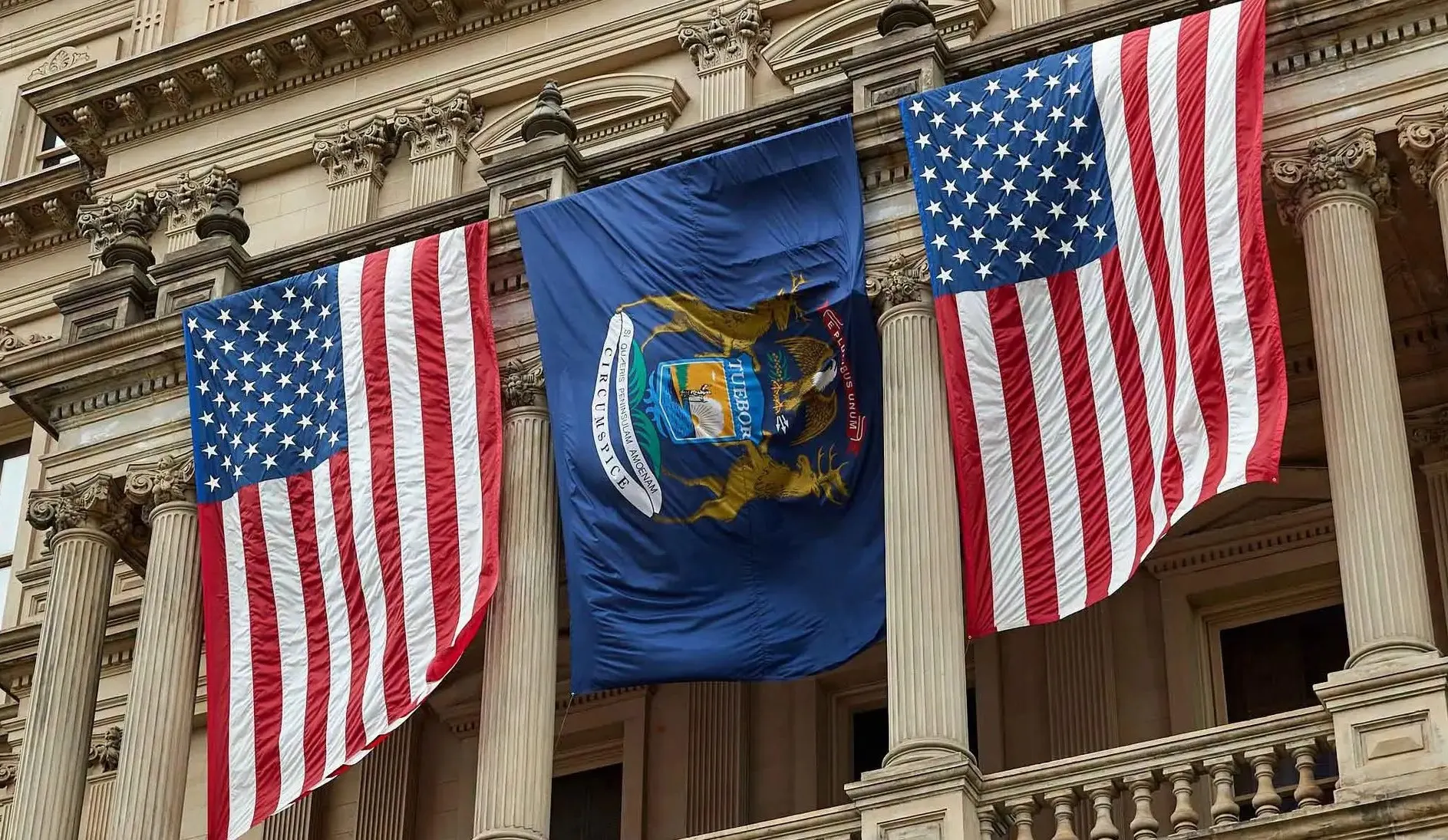
A Michigan judge has extended a temporary restraining order preventing Kalshi from offering sports event contracts in the state, while giving the prediction market platform until Aug. 12 to implement geofencing technology that blocks Michigan residents from accessing its products.
If Kalshi fails to comply by the deadline without obtaining another court extension, the company will face $500,000 in daily fines beginning Aug. 13, significantly increasing the financial pressure in one of the industry's most closely watched legal battles.
Court Rejects Kalshi's Initial Arguments
The latest order follows a June ruling that temporarily prohibited Kalshi from offering sports event contracts in Michigan. While the court initially threatened daily penalties of $120,000 for non-compliance, it later paused that requirement after Kalshi argued that implementing geofencing would be technically challenging and could conflict with federal commodities regulations.
During Monday's hearing, however, Judge Rosemarie Aquilina appeared unconvinced by those arguments.
According to reports from the courtroom, Aquilina said Kalshi's products were not traditional commodity contracts but instead constituted gambling, an area that has historically fallen under state authority. The judge also rejected the company's argument that the Commodity Exchange Act overrides Michigan's gambling laws.
Kalshi maintained that Congress intended federal commodities law to preempt state regulations governing prediction markets and told the court it is already working with geolocation provider GeoComply to implement a compliant solution. However, the company was unable to provide a timeline for when the integration would be completed.
Geofencing Deadline Set for Aug. 12
A GeoComply executive testified that most geofencing implementations can generally be completed within one to two weeks, although the timeline ultimately depends on the customer's technical readiness.
Michigan argued that Kalshi has little incentive to move quickly because sports event contracts continue generating significant trading activity, particularly during major international competitions such as the FIFA World Cup.
Judge Aquilina ultimately ordered Kalshi to complete its geofencing rollout by Aug. 12, with daily fines increasing to $500,000 if the company remains out of compliance after that date.
The temporary restraining order will remain in effect indefinitely, with both parties scheduled to return to court next week for a status conference.
Read Also:
Legal Pressure Continues to Mount
Michigan has become one of several states challenging Kalshi's sports event contracts, adding to a growing legal debate over whether prediction markets fall under federal commodities law or state gambling regulations.
The outcome could have broader implications for the prediction market industry, particularly as states continue scrutinizing sports-related event contracts and their overlap with regulated sports betting.
For now, Kalshi remains under increasing regulatory pressure as it works to satisfy Michigan's latest court order while continuing to defend its position that its contracts are governed by federal law.
Stay tuned to UMG Gaming for more updates on prediction markets, trading platforms and the latest developments shaping the future of event based trading.
About the author
CJ
Christian Joseph “CJ” Zambale is a journalist and content specialist who covers the iGaming and esports industries.