
Most Infamous Cheaters in Esports History
These cases show how fast things can fall apart once you cross the line in esports.
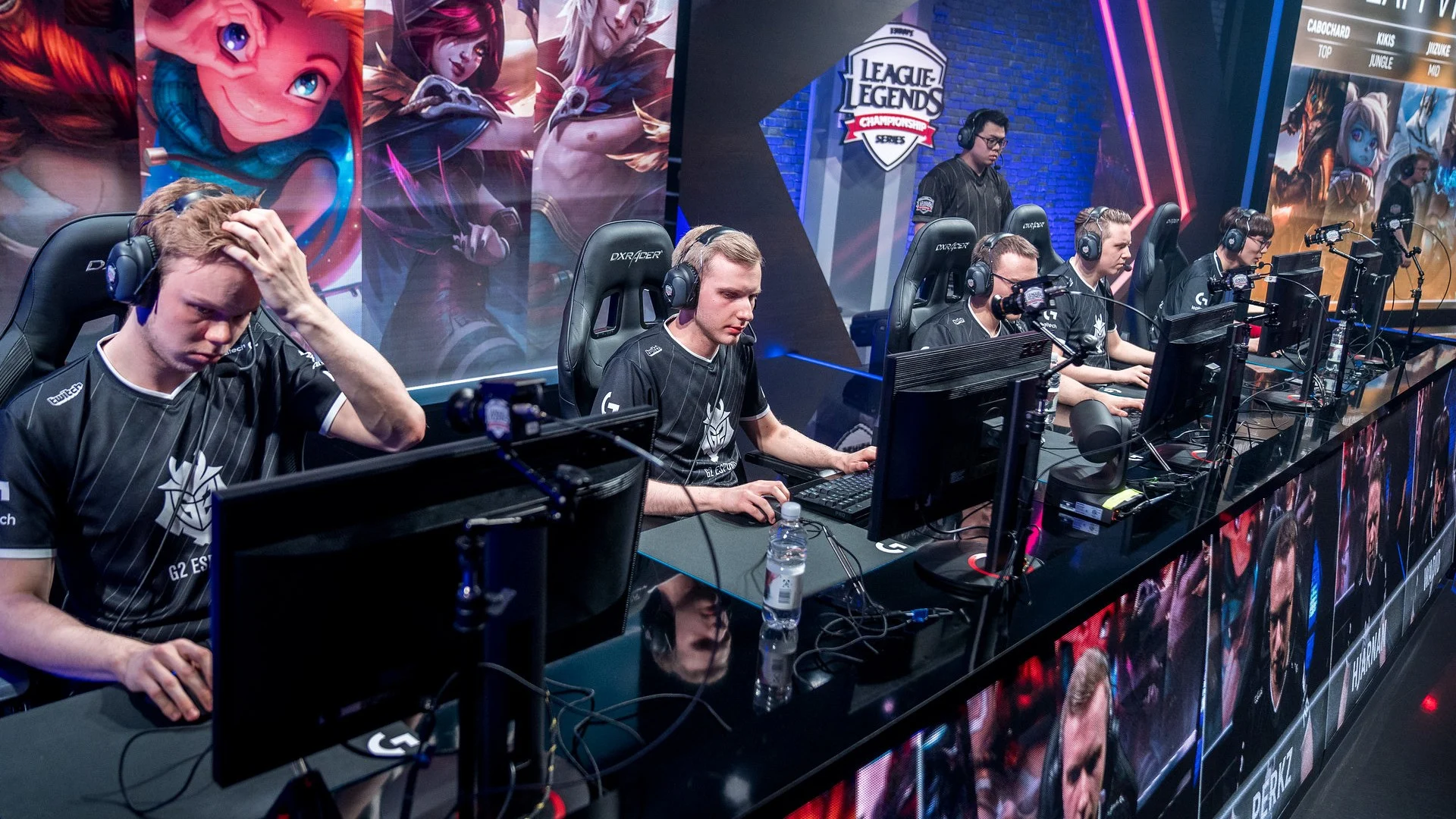
Esports is built on skill, strategy, teamwork, and determination. But every so often someone crosses the line and ruins it for everyone else. Some of these stories are shocking, some are unbelievable, and a few changed the scene forever. Here are five of the most notorious cheaters in esports history, what they did, and why they’re remembered.
1. Tokyogurl (Naphat Warasin) – Arena of Valor / Honor of Kings
In 2025, Thai player Naphat “Tokyogurl” Warasin shocked the esports world at the Southeast Asian Games. During a match against Vietnam in the women’s Arena of Valor division, officials noticed her hand movements didn’t match what was happening in the game.
Investigations revealed she had shared her tournament account with her boyfriend, Chaiyo “Cheerio” Sutprom, a semi-pro player, who was remotely controlling her character. The Thai team withdrew from the match, and Garena issued a lifetime ban from competitive Arena of Valor.
Tokyogurl and Cheerio were arrested and charged under Thai law. The Bangkok court initially gave them six-month sentences but reduced them to three months each for cooperating. They were granted bail and fined 24,000 baht ($740). Under Thai law, such short sentences can be served in a detention center instead of prison.
This case stands out because it crossed the line from esports punishment into real legal consequences.
2. Newbee – Dota 2 Match-Fixing Scandal
Few stories hit harder than the collapse of Newbee, a former The International 2014 champion in Dota 2. This wasn’t a small-time team trying to get ahead, this was a world champion organization with a massive fanbase, especially in China.
In 2020, Newbee’s roster was accused of intentionally throwing matches during the StarLadder ImbaTV Minor Chinese qualifiers. The suspicion started with odd betting patterns and strange in-game decisions that didn’t match the players’ usual level. Fans and analysts quickly picked up on it, and investigations followed soon after.
The Chinese Dota 2 Professional Association stepped in first, banning the team from regional events. Not long after, Valve made it official and handed out lifetime bans from all Valve-sponsored tournaments.
The players banned were:
- Xu “Moogy” Han
- Zeng “Faith” Hongda
- Wen “Wizard” Lipeng
- Yan “Waixi” Chao
- Yin “AQ” Rui
What made this even more painful was the history behind some of these names. Faith was a former world champion, and Moogy had played on the biggest stage at The International. These weren’t unknown players trying to break in; they were veterans who had already made it.
The fallout was massive. Newbee as an organization effectively disappeared from top-tier Dota 2, and the Chinese scene tightened its rules around betting, player monitoring, and tournament integrity. It also reminded everyone that match-fixing isn’t just cheating; it’s a business built on deception, and once you’re caught, there’s no coming back.
3. Azubu Frost vs TSM – Worlds Screen Peeking Scandal
One of the earliest cheating controversies in esports happened at the Season 2 League of Legends World Championship in 2012 during a match between Azubu Frost and Team SoloMid (TSM).
Frost players were caught looking at the big screen behind them, which showed the full map without fog of war. This gave them access to information like enemy positions that they should not have seen. In one moment, a player glanced at the screen, and Frost immediately reacted to TSM’s movement, raising suspicion.
Riot Games investigated and confirmed the team gained an advantage from screen peeking. However, instead of disqualification, Frost was only given a $30,000 fine, and the match result stood.
The decision was heavily criticized, with many fans believing they should have been disqualified. The incident still gets brought up today whenever people talk about unfair rulings in esports.
4. Lee “Life” Seung-hyun – StarCraft II Match-Fixing
When Lee “Life” Seung-hyun got caught, it shocked the entire esports scene. He was not just another pro. He was one of the best StarCraft II players in the world and a consistent tournament winner.
In 2016, it was revealed that Life had been paid to intentionally lose matches as part of an illegal betting operation. He received large sums of money in exchange for throwing games in ways that were difficult for casual viewers to spot.
South Korea treated the case seriously. Life was arrested, charged, and sentenced under Korean law. He was also fined heavily and received a lifetime ban from StarCraft II competition.
The impact was huge. StarCraft in Korea was known for its competitive integrity, and this scandal damaged that image. It also exposed how deeply illegal betting had reached into esports at the time.
5. Nikhil “Forsaken” Kumawat – CS:GO Live LAN Cheat
Few moments in esports are as chaotic as what happened with Nikhil “Forsaken” Kumawat in 2018. Playing for OpTic India at a LAN event, he was caught cheating in real time.
Tournament officials noticed something off and checked his PC mid-match. They found a cheat program disguised as “word.exe,” which was likely an aimbot giving him unnatural accuracy.
The team was immediately disqualified, and OpTic India disbanded soon after. The moment became infamous because it happened live, with admins stopping him from tampering with his PC.
Forsaken's reputation never recovered. He is still one of the most talked-about examples of cheating in esports.
About the author
CJ
Christian Joseph “CJ” Zambale is a journalist and content specialist who covers the iGaming and esports industries.