
New Jersey Proposes a Standard for Responsible Gambling Campaigns
New Jersey plans to make responsible gambling standards mandatory for all online casinos and sportsbooks.
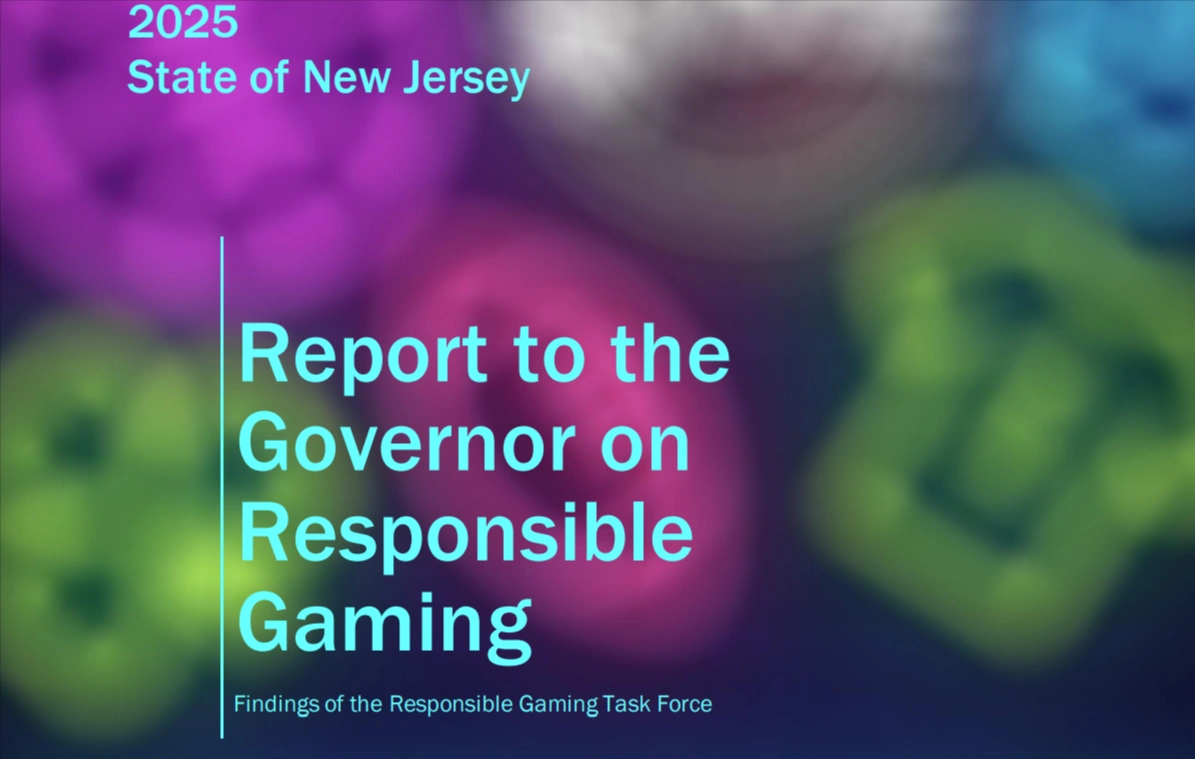
The sweepstakes casino’s responsible gambling initiatives take a serious and uniform turn, at least if New Jersey has its way. According to the latest reports, the state is proposing to standardize the integration and implementation of Responsible Gambling (RG) tools and initiatives for all sweeps casinos and sportsbooks, instead of leaving them voluntary.
The order comes from the state’s Division of Gaming Enforcement (DGE), the agency tasked with regulating the casino and iGaming industry. In its recent Report to the Governor on Responsible Gaming, the agency noted that state-wide standardization of RG tools is essential to ensure uniformity in accessibility and implementation. With this proposal, the state aims to establish consistent player protection standards across all licensed operators.
The Need for Standardization, When Voluntary Isn’t Enough
Currently, online casino operators and sportsbooks in New Jersey integrate and implement responsible gambling initiatives voluntarily. While some sites offer robust player resources, others provide minimal support to players. Some of the common responsible gambling tools used in top sweepstakes casinos are the deposit and loss limits, reality checks, and even self-exclusion. In some sites, players must undergo strict age verification and ‘Know Your Customer’ procedures.
However, these tools aren’t often available in all sites. As the DGE noted, some of these resources and programs are accessible online, while others still need customer service intervention. This leads to a lack of a clear standard and inconsistencies in terms of tool accessibility and user experience.
What’s Inside New Jersey’s RG Plan
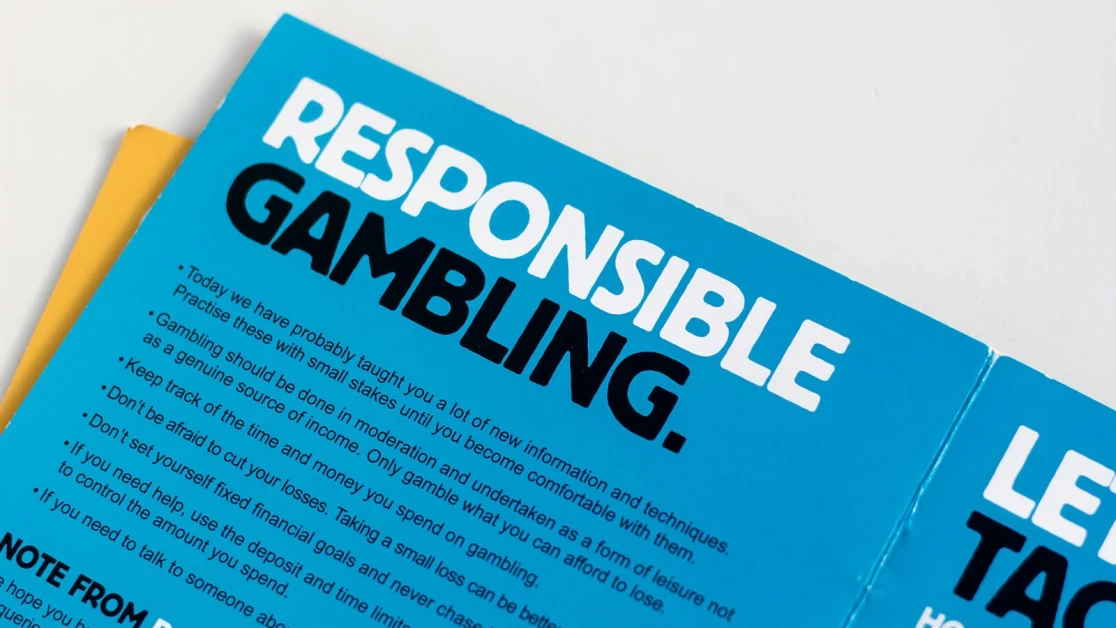
Under the draft rules, New Jersey operators must consistently monitor players’ specific behavior for warning signs of risky gambling using a set list of triggers, including:
- Deposits above US$10,000 in 24 hours or US$100,000 over 90 days;
- Wagering turnover of more than US$1 million within 90 days;
- Frequent visits to self-exclusion sites without enrolling;
- Multiple ‘cool-off’ requests within a short period
Repeated increases in deposit or loss limits over seven days; - Rapid rise in login frequency or session length
By setting exact limits, the DGE is trying to ensure earlier detection of risky play in all casino and sportsbook operators in a systematic and uniform way.
Beyond monitoring and intervention, the DGE also wants all platforms to have a streamlined RG messaging feature, which includes:
- Display of responsible gambling prompts when logging in and out of accounts;
- Standardized deposit and time limits, and temporary “cool-off” features;
- Transparent and accessible RG resources without requiring customer service interaction
One Lead, Three Phases to Safer Gambling
In the proposed standardization, every licensed operator is mandated to designate a Responsible Gaming Lead to provide resources and support to at-risk players. When the triggers are identified, the proposed regulation requires regulators to follow a three-step process:
- Phase 1 (Educational Outreach). The RG Team corresponds with the player via email to provide education on available RG features and resources on the platform.
- Phase 2 (Mandatory Video Tutorial). The operator displays a video tutorial to the player to educate them on the availability of various RG features and resources offered by the site.
- Phase 3 (Direct Intervention). The RG professional from the provider provides direct intervention to counsel and advise the players on corrective actions to address the at-risk behavior.
Failure to comply could result in DGE penalties, such as fines or site shutdowns for severe violations.
What’s Next for New Jersey?
If adopted, New Jersey’s proposed regulation would mark one of the most comprehensive responsible gambling frameworks in the U.S., designed to better protect players. For New Jersey regulators, responsible gambling can no longer be left to chance, but a uniform system is needed to create safer play for everyone.
About the author
UMG Nation
UMG Nation is a feed dedicated to bringing you the latest and most pressing stories and thoughts on the ever-changing US iGaming scene. Stay up-top-the-minute with UMG.