
Ninth Circuit Appeals Case Puts Prediction Markets Under Pressure
Key legal battle raises questions over state control versus federal oversight
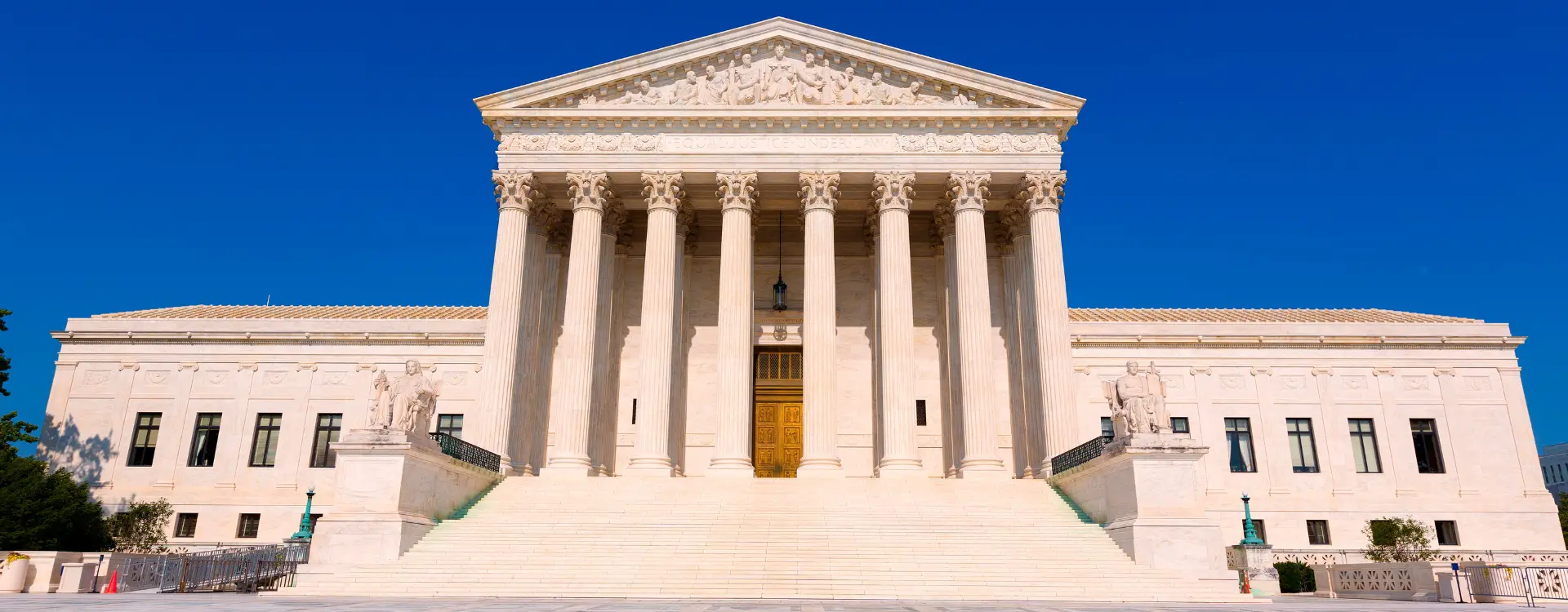
The U.S. Court of Appeals for the Ninth Circuit is weighing a major legal dispute that could shape the future of prediction markets tied to sports outcomes, as judges signal growing doubt over how far federal jurisdiction should extend.
At the heart of the case is a question onto whether prediction market contracts should be treated as federally regulated financial instruments or as traditional gambling products subject to state law.
The outcome could have wide reaching implications for platforms operating in the fast growing event contracts space.
Judges Question Limits of Federal Preemption
During recent proceedings, judges on the Ninth Circuit panel expressed doubt over arguments that federal law fully preempts state gambling regulation when it comes to prediction markets.
The case centres on whether sports related event contracts qualify as “swaps” under the Commodity Exchange Act, which would place them under the authority of the CFTC, or whether they fall under state level gambling laws instead.
Lawyers for prediction market operators argue that federally registered exchanges should operate under exclusive federal oversight, while state regulators maintain that these products are functionally indistinguishable from sports betting.
A Legal Clash Over “Swaps” Versus Gambling
The central tension in the case is classification. Prediction market operators say their contracts are financial rate of change tied to real world outcomes, and therefore fall under federal commodities regulation.
State authorities argue the opposite, that betting on sports outcomes, regardless of structure, is still gambling and should remain under state control.
Recent rulings in other circuits have leaned toward federal prevention, but the Ninth Circuit appears less settled, with judges probing the limits of that interpretation.
A Fragmented Legal Landscape Across the U.S.
The case is a wave of legal action across the country, with different courts reaching conflicting conclusions on how prediction markets should be regulated.
Some rulings have supported the idea that sports related event contracts fall under federal oversight, while others have upheld state authority to regulate them as gambling activity.
This inconsistency has raised expectations that the issue may ultimately reach the U.S. Supreme Court, as the industry continues to expand without a unified legal framework.
Industry Growth Meets Regulatory Pressure
Despite legal uncertainty, prediction markets continue to grow, attracting attention from both financial and gaming sectors.
Platforms argue that they provide a new way to hedge risk and trade on information about future events, while critics warn that they increasingly resemble unregulated sports betting.
The CFTC has continued to defend its jurisdiction over these markets, describing them as legitimate financial instruments under federal law.
What Comes Next
The Ninth Circuit’s eventual ruling will be closely watched, not just by prediction market operators, but by regulators and lawmakers across the U.S.
A decision reinforcing federal control could accelerate industry growth, while a shift toward state authority could significantly restrict how these platforms operate.
Either way, the case marks another key moment in a legal battle that is far from settled, and increasingly central to the future of modern wagering markets.
Stay tuned to UMG Gaming for more updates on prediction markets, regulatory battles, and the evolving U.S. legal landscape.
About the author
Ryan Cauchi
Ryan Cauchi is the Lead Journalist at UMG Gaming, where he covers the evolving landscape of legal sports betting, the growing social casino market, and legislative developments shaping the gaming industry.