
Oklahoma Tribes Defeat Stitt in Sweepstakes Casino Showdown
Governor Kevin Stitt vetoed Oklahoma’s proposed sweepstakes casino ban, keeping the growing legal battle over online gaming alive.
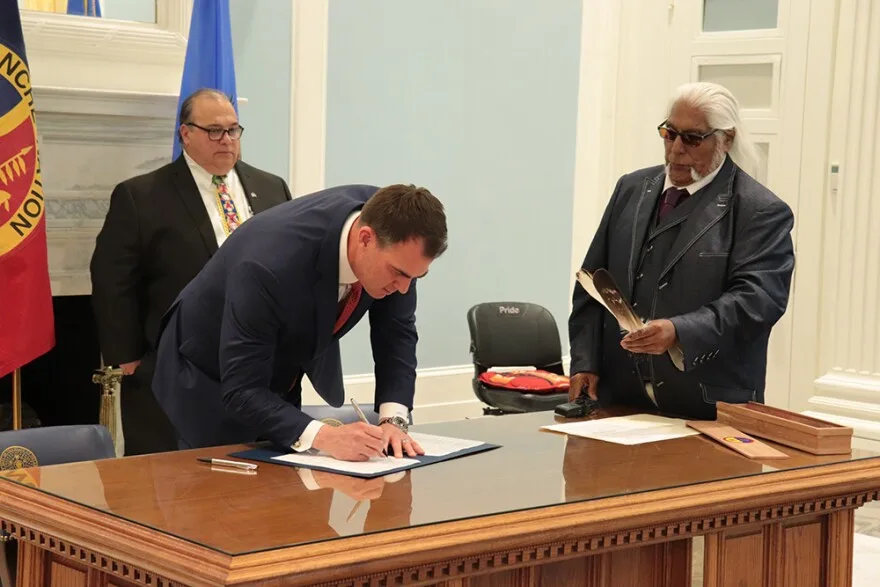
Oklahoma’s ongoing battle over sweepstakes casinos took another turn this week after Governor Kevin Stitt vetoed Senate Bill 1589, a measure that would have banned dual-currency sweepstakes casino platforms across the state.
The bill had received overwhelming support from Oklahoma lawmakers, passing the Senate unanimously in a 48-0 vote before clearing the House 65-21.
SB 1589 specifically targeted sweepstakes casino operators that use virtual currency systems, often allowing users to exchange “sweeps coins” or similar digital tokens for cash prizes or equivalents. Under the proposal, operating those platforms in Oklahoma would have become a felony offense.
Stitt Calls Bill Too Broad
In his veto explanation, Stitt argued that the language used in the bill was too broad and could unintentionally impact other online platforms beyond sweepstakes casinos.
The governor raised concerns about how the bill defined “representative of value,” warning that it could potentially affect common online promotional systems, including retail reward games and marketing campaigns that offer redeemable prizes or discounts.
Stitt also criticized the idea of attaching felony penalties to what he viewed as vaguely defined online gaming activity.
The veto temporarily halted what would have been one of the strongest anti-sweepstakes measures passed by any U.S. state this year.
Tribal Gaming Remains Protected
A major part of the debate centered around tribal gaming protections in Oklahoma.
The bill included exemptions for gaming activities conducted under the Indian Gaming Regulatory Act (IGRA), effectively protecting tribal casino operations while targeting unregulated sweepstakes platforms.
Oklahoma remains one of the largest tribal gaming markets in the United States, with tribal nations operating dozens of casinos across the state. The issue also arrives amid years of tension between Stitt and tribal leaders over gaming compacts, sovereignty, and revenue-sharing agreements.
Several tribal groups have consistently argued that sweepstakes casinos operate in a legal gray area while bypassing the regulations and agreements tribal operators must follow.
Read Also: Stake Eyes LatAm Expansion With Mexico Launch Driving New Growth in iGaming
Sweepstakes Casino Debate Continues Nationwide
The Oklahoma situation reflects a much larger national debate surrounding sweepstakes casinos in 2026.
States across the country have taken different approaches toward regulating dual-currency platforms. Indiana, Maine, and Tennessee have already passed legislation targeting sweepstakes casinos this year, while several other states continue investigating operators or issuing cease-and-desist notices.
Supporters of sweepstakes platforms argue that the systems operate legally under promotional gaming frameworks, while critics claim the model closely resembles real-money online gambling without proper oversight.
The industry has grown rapidly over the past few years, particularly in states without regulated online casinos, where sweepstakes platforms often fill the gap for players seeking digital casino-style gaming experiences.
Legislature Could Still Override the Veto
Despite Stitt’s veto, the fight may not be over yet.
Because SB 1589 passed both chambers with large margins, Oklahoma lawmakers could still attempt to override the governor’s decision before the legislative session ends later this month.
If an override succeeds, Oklahoma would join the growing list of states moving aggressively against sweepstakes casino operators in 2026.
Stay tuned to UMG Gaming for more updates on prediction markets, tribal gaming, and the evolving U.S. gaming landscape.
About the author
CJ
Christian Joseph “CJ” Zambale is a journalist and content specialist who covers the iGaming and esports industries.