
T1 Draws A Line After Years Of Fan Harassment And Privacy Invasions
T1 has issued a zero-tolerance warning against stalking and unauthorized filming as concerns around player privacy and safety continue to rise.
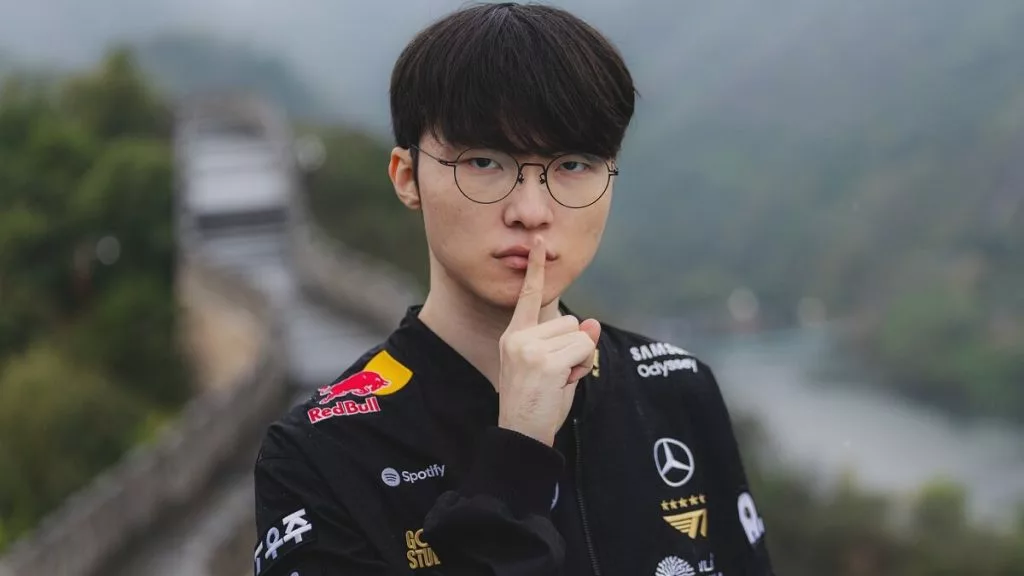
T1 has issued a formal warning against fans who stalk players, loiter near team facilities, and film members of the organization outside official schedules.
In a public statement released on April 30, the organization said there had been an “ongoing increase in incidents invading our players’ privacy,” specifically mentioning unauthorized filming during commutes, stalking, and waiting outside the team house or headquarters. T1 added that these actions caused “severe psychological distress and fear” for players and announced a zero-tolerance policy moving forward.
The organization also warned that anyone caught violating player privacy would face immediate sanctions and legal action.
For longtime esports fans, the statement feels familiar. T1 has dealt with obsessive fan behavior for years, but the scale of the issue surrounding the organization has become difficult to ignore.
Esports Players In South Korea Were Once Treated Like Pop Stars
To understand why this happens around T1, it helps to understand what esports looked like in South Korea during the height of the StarCraft era.
In the early 2000s, professional gamers were not niche celebrities. They were mainstream stars. Players appeared on television, signed sponsorships, filled arenas, and built fanbases comparable to idol groups. Some players could not walk through public spaces without being recognized.
At its peak, StarCraft in South Korea was closer to traditional celebrity culture than modern esports fandom in the West.
That environment created an intense relationship between fans and players, especially around dominant organizations. Teams became cultural brands, not just esports clubs.
Esports in South Korea today is not as universally dominant as it was during the StarCraft boom, but T1 remains one of the few organizations that still carries that level of cultural weight.
And Faker sits at the center of it.
Faker’s Presence Keeps T1 In A Different Category
T1’s popularity goes beyond League of Legends results.
The organization has become one of the most recognizable brands in esports globally, helped heavily by Faker’s status both inside and outside competitive gaming. That commercial strength has become a major part of T1’s recent business growth, especially as the organization pushes toward larger international expansion and a reported long-term billion-dollar valuation target.
Inside South Korea, Faker is not viewed like a normal esports player. Even people who do not actively follow League of Legends know who he is. That level of visibility naturally brings attention, but it also creates problems when fans stop respecting boundaries.
Over the years, T1 players have dealt with repeated invasions of privacy, including fans waiting outside facilities, sending protest trucks, funeral wreaths, and following players in public.
The latest statement suggests the organization believes things have escalated too far again.
T1’s Fan Culture Has Become One Of Esports’ Most Extreme
T1 has one of the largest fanbases in esports, but it has also developed one of the most intense.
The organization has previously taken legal action against individuals accused of stalking players or entering restricted areas. During Worlds 2025, T1 confirmed legal action after a fan allegedly entered private team areas and photographed Faker and other players without consent.
The situation around Gumayusi last year also drew national attention after online harassment, threats, and public targeting campaigns escalated to the point where even South Korean politicians publicly called for stronger player protections.
That history is part of why the new statement feels more serious than a standard warning post.
This time, T1 directly stated it would pursue legal action “without any leniency or settlement.”
The Pressure Around T1 Continues To Grow
The timing of the statement also matters.
T1 is currently one of the most commercially valuable organizations in esports, with growing international ambitions tied to projects such as the Esports World Cup and expansion into additional game titles. The organization is under more attention than ever, both competitively and commercially.
That attention creates opportunities, but it also increases scrutiny around players and staff.
For T1, protecting players is no longer just a competitive issue. It is part of protecting the organization itself.
The challenge now is whether esports culture can mature alongside the industry’s growth. South Korea helped build modern esports fandom, but T1’s latest statement shows the darker side of that relationship still exists today.
For more esports and industry news, stay tuned for UMG Gaming.
About the author
CJ
Christian Joseph “CJ” Zambale is a journalist and content specialist who covers the iGaming and esports industries.