
Tribal Casinos Raise Concerns Over Prediction Market Expansion
Growing tension as new platforms challenge long standing gaming frameworks
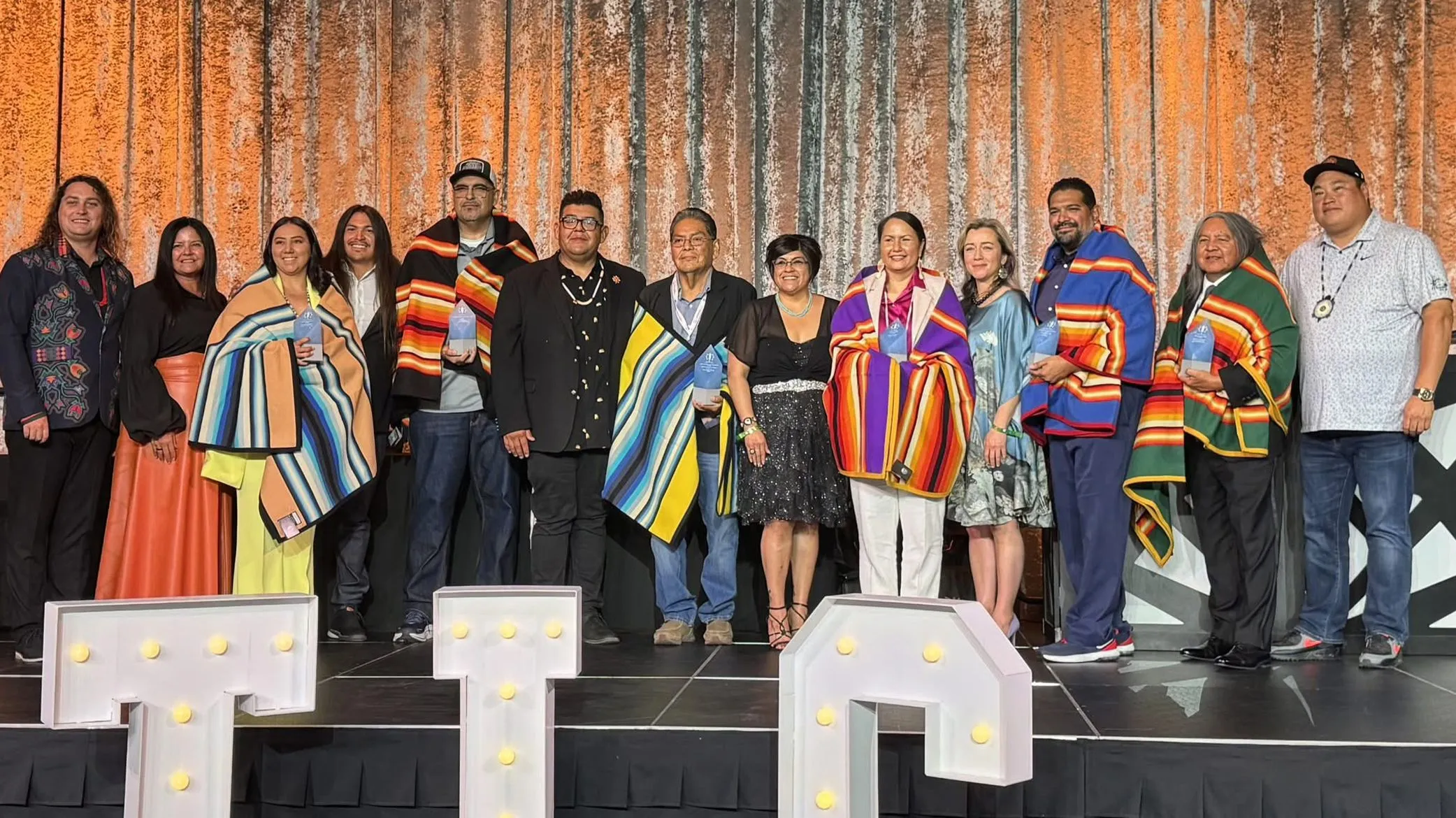
Leaders from tribal casino groups across the U.S. are stepping up their opposition to prediction markets, warning that their growing expansion could undermine tribal sovereignty and existing gaming agreements.
The concern is gaining pace as platforms offering event based contracts continue to grow, often operating under federal financial regulations rather than traditional gambling laws.
For tribal leaders, the issue goes beyond competition, it goes into the core of how gaming rights are defined and protected.
More Than Competition, A Question Of Control
At the centre of the debate is sovereignty. Tribal gaming has long been built on the right of tribes to regulate gambling within their own jurisdictions, supported by federal law and state agreements.
Many leaders argue that prediction markets bypass this system entirely by positioning themselves as financial exchanges rather than betting platforms.
This, they say, allows operators to offer products that closely resemble sports betting without following the same rules, effectively sidestepping the regulatory frameworks tribes have relied on for decades.
Revenue Pressures And Long Term Risk
Beyond legal concerns, there are also growing worries about financial impact. Tribal gaming generates billions in revenue each year, funding essential services such as healthcare, housing, and education within tribal communities.
Some leaders believe prediction markets are already pulling users away from traditional casinos, particularly in states where online sports betting is not yet fully legal.
Over time, this could create a shift in player behaviour, something that becomes harder to reverse as these platforms continue to scale.
A Unified Push Against A Fast Moving Sector
Tribal organisations across the country are increasingly aligned on the issue, working together with regulators, lawmakers, and industry groups to push back against prediction market expansion.
Efforts range from legal challenges to lobbying at the federal level, with calls for clearer rules around whether event based contracts should fall under financial or gambling regulation.
Many see this as a defining moment, with prediction markets emerging as one of the most significant challenges tribal gaming has faced in years.
The Bigger Picture
The clash highlights a bigger shift happening across the U.S. betting landscape, where new digital models are testing the limits of existing laws.
Prediction markets sit right at the centre of that shift, mixing elements of trading, betting, and real world event speculation in ways that don’t fit neatly into current frameworks.
For tribal leaders, the concern is clear that if these platforms continue to expand without aligning to established rules, the balance of control over gaming in the U.S. could start to change.
What Comes Next
The debate is far from settled. Legal battles are ongoing, and pressure is building on regulators and lawmakers to clarify how prediction markets should be treated.
For now, tribal leaders are making their position clear, this is not just another industry development, but a fundamental issue tied to sovereignty, regulation, and long term sustainability.
Stay tuned to UMG Gaming for more updates on prediction markets, tribal gaming, and the evolving U.S. regulatory landscape.
About the author
Ryan Cauchi
Ryan Cauchi is the Lead Journalist at UMG Gaming, where he covers the evolving landscape of legal sports betting, the growing social casino market, and legislative developments shaping the gaming industry.