
CFTC Proposal Sparks Tribal Sovereignty Concerns in Prediction Market Debate
Tribal leaders warn proposed federal rule could reshape the balance of power in gaming regulation
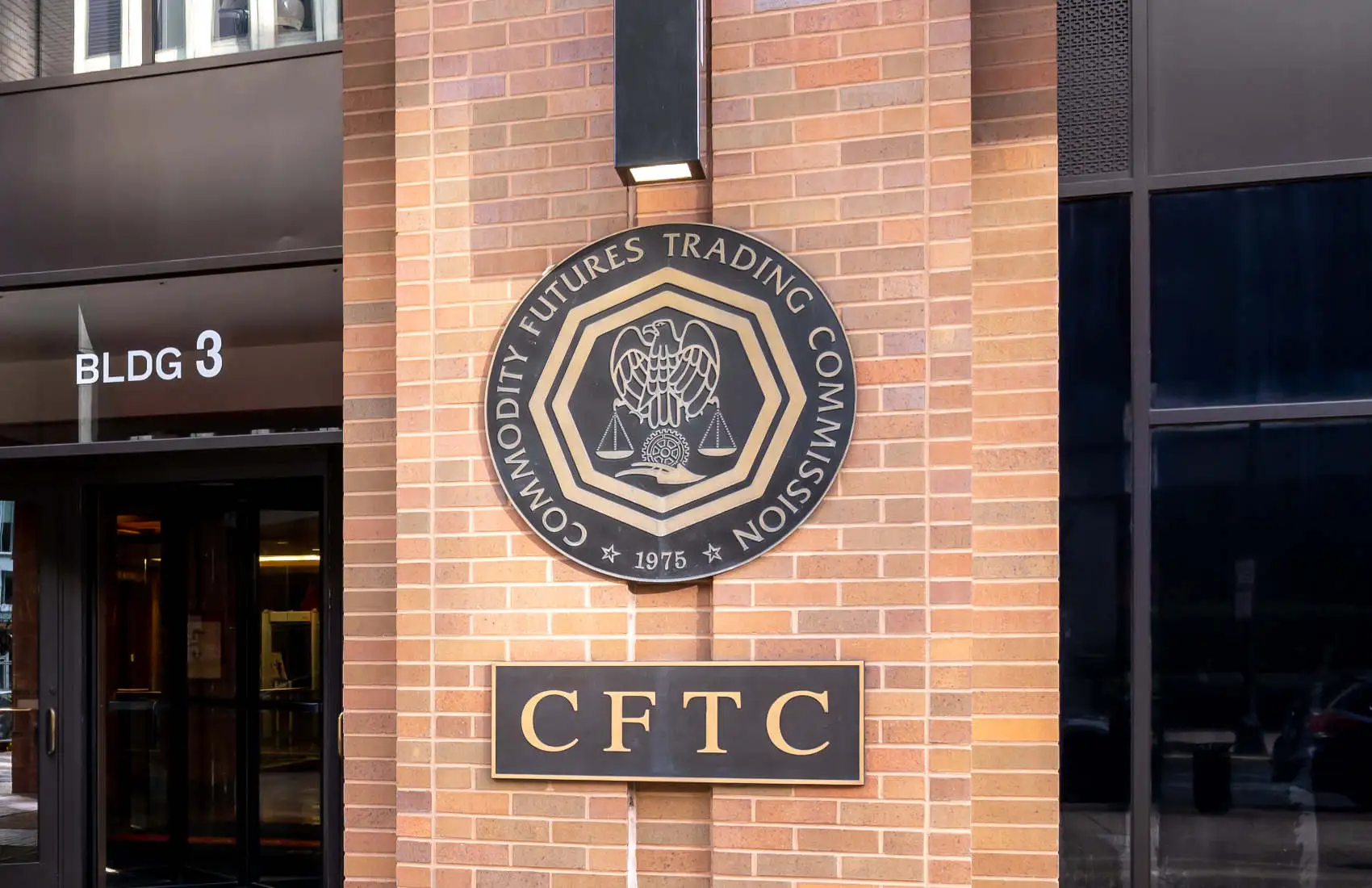
A new proposal from the Commodity Futures Trading Commission (CFTC) is raising serious concerns across tribal gaming circles, as leaders warn the rule could weaken tribal sovereignty and expand federal control over prediction markets tied to sports and other event contracts.
The proposal, published earlier this month, would revise how the CFTC evaluates event contracts and public interest determinations for prediction market platforms. Supporters argue the changes could provide more regulatory clarity for operators, but tribal leaders and gaming stakeholders see the proposal as a potentially major shift in authority.
At the heart of the debate is a growing concern that federal oversight of prediction markets could bypass tribal gaming compacts and reduce tribal authority over gaming activity that directly impacts tribal economies.
Tribal Gaming Leaders Push Back
Tribal gaming leaders have emerged as some of the strongest critics of the proposal. The Indian Gaming Association (IGA) and tribal stakeholders argue that allowing federally regulated prediction market operators to offer sports related event contracts nationwide could weaken long standing tribal gaming agreements and disrupt established regulatory frameworks.
For many tribal nations, gaming revenue is a critical source of funding for healthcare, education, infrastructure, housing, and community services. Any regulatory change that weakens tribal control over gaming markets is viewed as a direct threat to economic stability and self governance. Industry leaders have also warned that prediction markets increasingly resemble traditional sports betting products, raising questions about whether they should fall under federal derivatives oversight at all.
Sovereignty Becomes the Core Issue
The wider concern extends far beyond prediction markets themselves. For tribal nations, this debate is fundamentally about sovereignty. Many tribal leaders argue that if prediction market operators can offer sports event contracts nationwide under federal supervision, it could create a regulatory pathway that bypasses both state gaming laws and tribal gaming protections established under the Indian Gaming Regulatory Act (IGRA).
That possibility has become one of the most contentious issues in the current prediction market debate. Critics argue the proposal risks shifting too much power toward federal regulators while weakening the authority of states and tribal governments to oversee gambling-related activity within their jurisdictions.
Pressure on the CFTC Continues to Grow
The proposal arrives as the CFTC faces mounting criticism from multiple sides. State regulators, tribal gaming organizations, and lawmakers have all increasingly questioned the agency’s position on prediction markets, particularly as legal battles involving operators such as Kalshi and Polymarket continue expanding nationwide.
Several states have already challenged prediction market operators in court, arguing that sports related event contracts function more like gambling products than financial instruments. Now, tribal governments are becoming more vocal in pushing back as well. That growing resistance is adding further pressure on the CFTC as it attempts to define a clearer regulatory framework for the fast growing sector.
Prediction Markets Face Another Major Challenge
The latest concerns highlight just how complex the future of prediction markets has become. What began primarily as a legal battle over federal versus state oversight has now evolved into a larger fight involving tribal sovereignty, gaming rights, regulatory authority, and economic protection.
As prediction markets continue expanding into sports and other mainstream categories, opposition from tribal gaming stakeholders could become one of the most important factors shaping the industry’s future. For operators, the regulatory challenge is no longer just about securing federal approval. It is increasingly about navigating a legal landscape where states, tribes, and federal regulators all claim a stake in determining how prediction markets should operate.
A Defining Moment for the Industry
The CFTC’s proposal could prove to be a pivotal moment in the evolution of prediction markets in the United States. Any final rule that significantly expands federal authority over event contracts is likely to face intense scrutiny and potential legal challenges from both tribal and state stakeholders.
For now, one thing is becoming increasingly clear that the battle over prediction markets is no longer just about regulation. It is also about sovereignty, jurisdiction, and who ultimately controls the future of event based trading in the U.S.
Stay tuned to UMG Gaming for more updates on prediction markets, tribal gaming, and the legal battles shaping the future of event based trading in the United States.
About the author
Ryan Cauchi
Ryan Cauchi is the Lead Journalist at UMG Gaming, where he covers the evolving landscape of legal sports betting, the growing social casino market, and legislative developments shaping the gaming industry.