
Valve Seeks Dismissal of New York Lawsuit Targeting CS2 Cases
Valve is fighting back against New York’s lawsuit targeting Counter-Strike 2 loot boxes and the wider Steam skin economy.
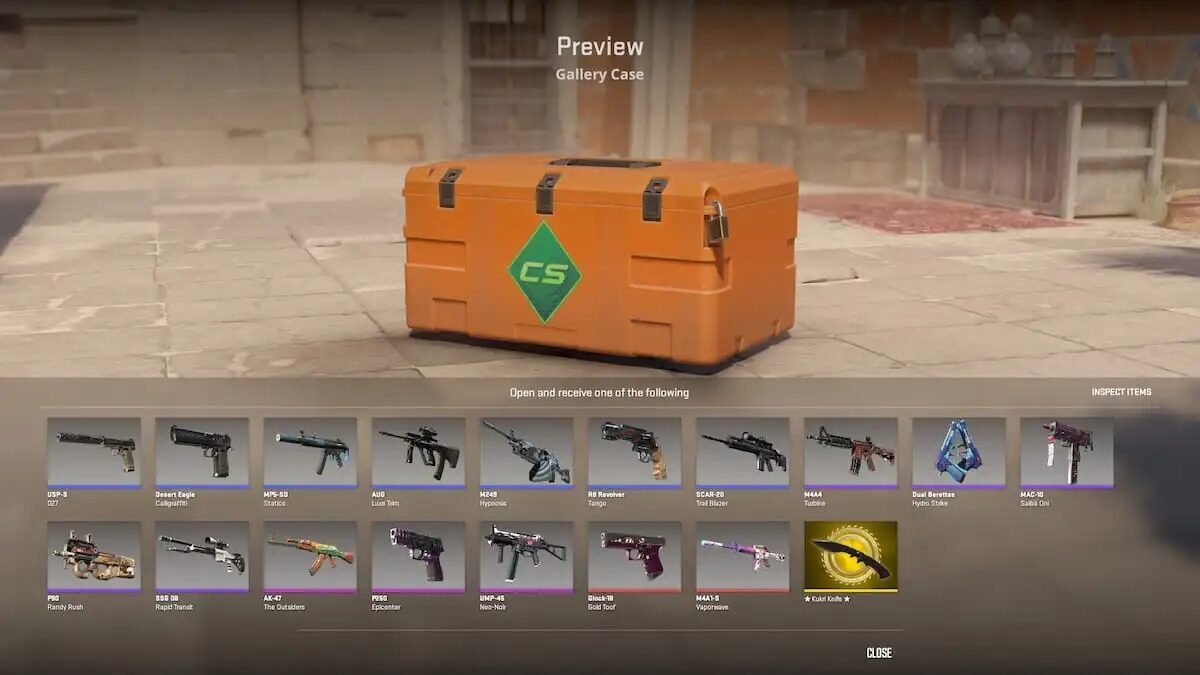
Valve has officially asked the court to dismiss the lawsuit filed earlier this year by New York Attorney General Letitia James over loot boxes and weapon cases tied to Counter-Strike 2 and other Steam titles.
The lawsuit, filed in February, accused Valve of promoting illegal gambling through randomized cosmetic systems found in games such as Counter-Strike 2, Dota 2, and Team Fortress 2. According to the complaint, the state argues that players spend real money on randomized rewards that can later hold real-world market value through trading and resale activity.
In its legal response, Valve argued that the state is incorrectly framing how these systems function inside its games. The company compared case openings to physical collectible products such as baseball cards or surprise toy packs, where buyers know they are purchasing randomized items but are not participating in traditional gambling activities.
Valve also challenged the idea that cosmetic skins automatically qualify as gambling-related assets simply because some players assign value to them through third-party trading markets. According to the company’s filing, Steam itself does not guarantee cash payouts, direct withdrawals, or item monetization in the same way gambling platforms typically operate.
A major part of Valve’s response focused on third-party skin gambling websites that have existed around Counter-Strike for years. The company argued that those sites operate independently from Steam and violate Valve’s own platform policies. Valve also pointed to previous enforcement actions taken against gambling-related operators using Steam integrations without authorization.
The lawsuit immediately drew attention throughout the esports and gaming industry because Counter-Strike’s skin economy has become deeply connected to the identity of the game itself.
Over the last decade, skins evolved from simple cosmetic rewards into a massive digital marketplace tied closely to the wider Counter-Strike ecosystem. Tournament stickers, souvenir weapon drops, and rare knives became part of the game’s culture, while case-opening content grew into one of the most watched categories across Twitch and YouTube.
That popularity is also what continues attracting regulatory scrutiny.
Lawmakers and consumer protection groups have increasingly questioned whether loot boxes expose younger audiences to gambling-style mechanics, especially in games with large teenage player bases. Similar legal and regulatory discussions have appeared across Europe and North America over the past several years as governments continue debating whether randomized cosmetic systems should fall under gambling laws.
Valve’s attempt to dismiss the lawsuit marks the company’s first major public legal pushback against the New York case. If the lawsuit proceeds further, it could become one of the most closely watched gaming-related legal battles tied to loot boxes and virtual item economies in recent years.
For more esports coverage, stay tuned to UMG Gaming.
About the author
CJ
Christian Joseph “CJ” Zambale is a journalist and content specialist who covers the iGaming and esports industries.