
Why Match Format is Important in Esports Betting
BO1, BO3, or BO5? Match format can make or break your esports bet. Here’s why it matters more than you think.
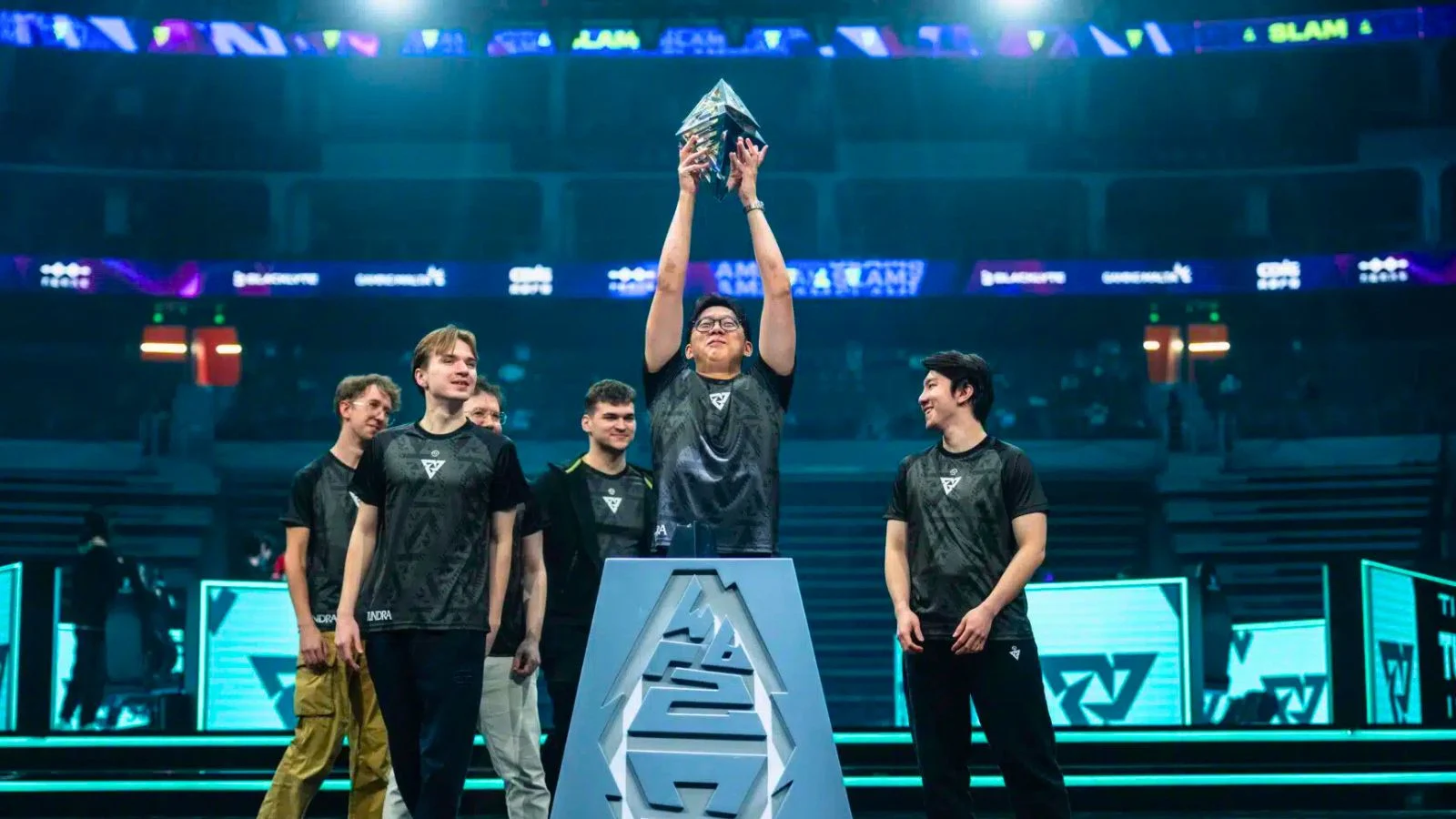
If you have ever placed a bet on an esports match and felt like the result made no sense, there is a good chance you ignored one key detail. It was not the odds. It was not the teams. It was the format.
In esports, match format plays a huge role in how games unfold. A best-of-one can flip expectations in a single map, while a best-of-five gives stronger teams time to recover and dominate. For bettors, this difference is everything. Understanding how BO1, BO3, and BO5 work is one of the simplest ways to make smarter decisions and avoid throwing money into what feels like pure randomness.
The format does not just affect gameplay. It shapes odds, risk levels, and even how sportsbooks design their markets. If you are serious about esports betting, this is not something you can afford to overlook.
The Nature of Variance in Esports
Before diving into each format, it helps to understand one concept that drives everything in betting: variance.
Esports games are naturally volatile. A single mistake, a bad draft, or even a momentum shift can decide a match. Unlike traditional sports where games are longer and scoring is more gradual, esports often hinge on key moments that can instantly swing the outcome.
This is where match format comes in. The fewer games played in a series, the higher the variance. The more games played, the more likely the better team will win.
That simple idea is what separates smart bettors from casual ones.
BO1: Anything Can Happen
Best-of-one matches are the most unpredictable format in esports. One game decides everything. There are no second chances, no adjustments, and no room to recover from mistakes.
This format is commonly used in group stages or early tournament rounds, especially in games like Counter-Strike and League of Legends. It is designed to be fast and efficient, but for betting, it introduces a level of chaos that can be hard to manage.
A weaker team can win a BO1 through a single strong strategy, an unexpected draft, or even just catching the favorite off guard. Favorites still win most of the time, but the margin for error is much smaller.
For bettors, this creates a risky environment. Backing a strong team in a BO1 often comes with lower odds, but the chance of an upset is much higher than in longer formats. On the flip side, underdogs become more attractive. A single-map format gives them a real shot, even against better opponents.
This is why BO1 matches are often seen as high-risk, high-reward. They can offer value, but they can also punish overconfidence. If you are betting on a BO1, you are not just betting on skill. You are betting on execution in one isolated moment.
BO3: The Standard for a Reason
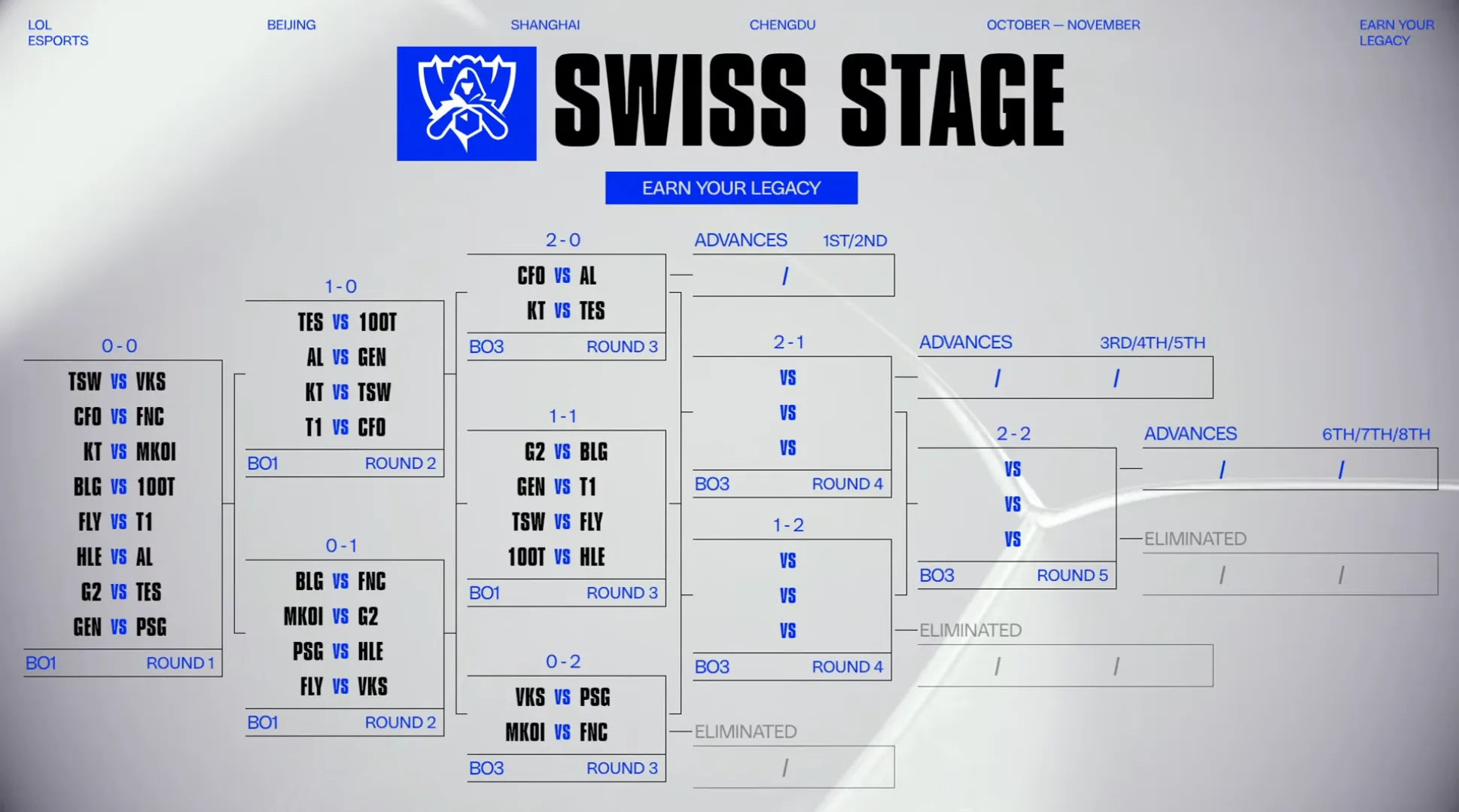
Best-of-three is the most common format in esports, and for good reason. It strikes a balance between unpredictability and competitive integrity.
In a BO3, teams have the chance to adapt. If they lose the first game, they can adjust their strategy, change their draft, or rethink their approach. This reduces the impact of fluke results and gives stronger teams a better chance to prove themselves.
For bettors, this is where things start to make more sense. Favorites are more reliable compared to BO1, and the outcome is less likely to be decided by a single mistake. At the same time, it is not completely predictable. Underdogs can still win, especially if they have strong map pools or specific strategies.
Another key factor in BO3 is depth. Teams need more than just one good game plan. They need flexibility, endurance, and the ability to perform across multiple maps. This opens up more betting angles. Instead of just picking a winner, bettors can look at map handicaps, total maps played, and even specific game outcomes within the series.
BO3 is also where preparation starts to matter more. Teams that study their opponents and adjust on the fly tend to perform better. For bettors who follow the scene closely, this creates opportunities to find value beyond simple win-loss predictions.
BO5: Where Skill Wins Out
Best-of-five matches are usually reserved for finals and high-stakes matches. This is where the gap between teams becomes most visible.
In a BO5 ,like the recent League of Legends First Stand 2026, the first team to win three games takes the series. That might sound simple, but in practice, it is a test of consistency, endurance, and mental strength. Over the course of multiple games, it becomes very difficult for a weaker team to maintain an upset.
This is why BO5 has the lowest variance among the three formats. The better team almost always wins. There are still surprises, but they are far less common compared to BO1 or even BO3.
For bettors, this format is generally the safest when backing favorites. The longer series gives strong teams time to recover from early losses and adjust their strategy. Even if they drop a game, they still have multiple chances to come back.
At the same time, BO5 opens up more detailed betting options. Markets like correct score become more relevant, allowing bettors to predict outcomes such as 3-0 or 3-1. Live betting also becomes more dynamic, as the flow of the series can shift over time.
However, this does not mean BO5 is easy to bet on. Endurance plays a big role, and momentum can still influence results. Some teams perform better in long series, while others struggle to maintain consistency. Understanding these tendencies can make a big difference.
How Format Shapes Betting Strategy
The biggest mistake new bettors make is treating all matches the same. A BO1 is not just a shorter BO3. A BO5 is not just a longer version of both. Each format requires a different approach.
In BO1, risk management becomes crucial. Upsets are more common, so blindly backing favorites can lead to losses. This is where underdog bets and live betting can offer better value.
In BO3, knowledge becomes more important. Understanding team depth, map pools, and adaptability can help you make more informed decisions. This format rewards research and preparation.
In BO5, patience is key. Strong teams tend to prevail, but the path to victory can vary. Betting markets become more detailed, and there is more room to analyze how a series might play out rather than just who will win.
Across all formats, one thing stays the same. The more games played, the more skill matters. The fewer games played, the more randomness comes into play.
Why This Matters for iGaming
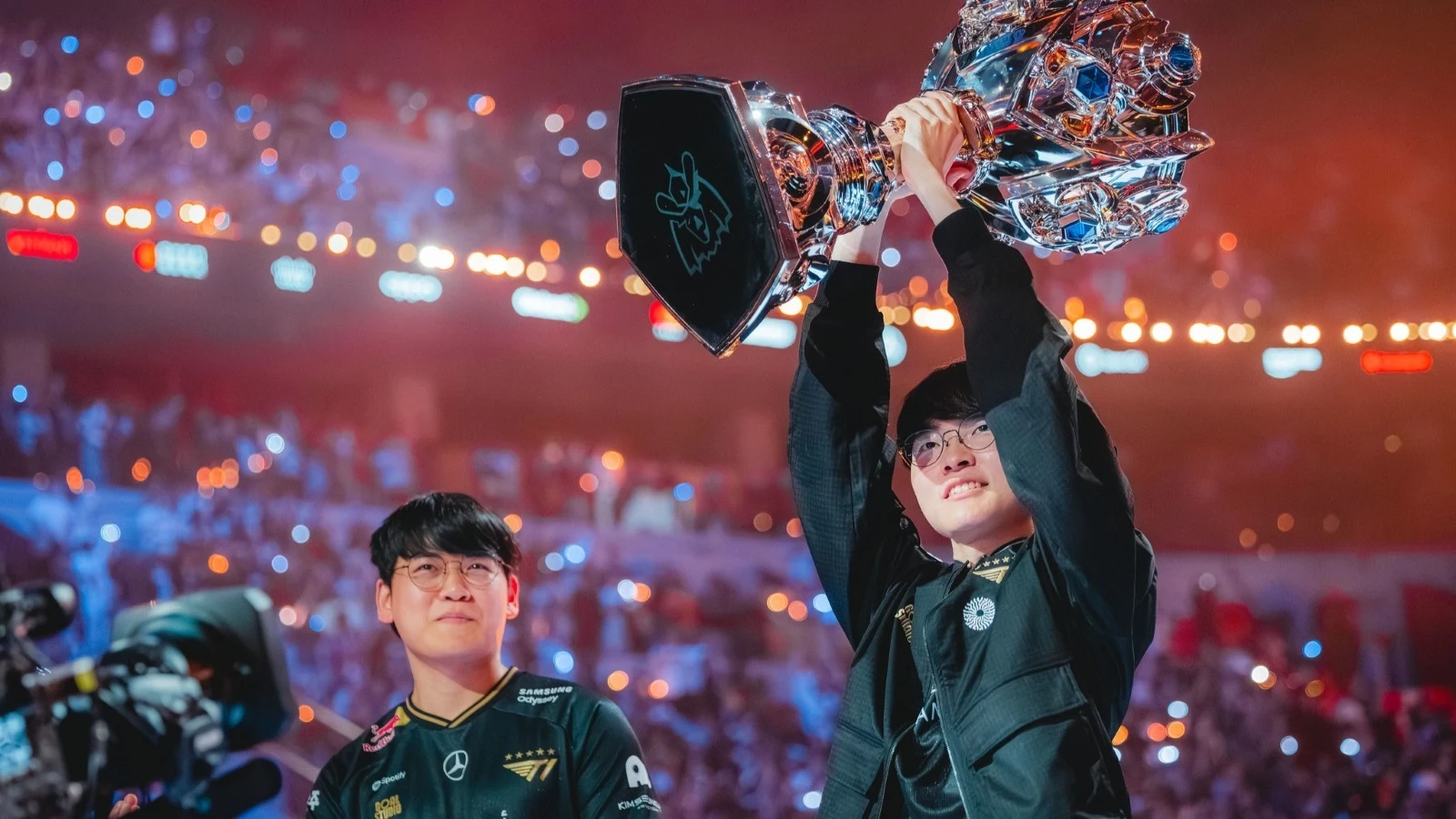
For iGaming platforms and esports sportsbooks, match format is more than just a competitive structure. It directly affects user behavior.
Short formats like BO1 encourage quick bets and fast turnover. Longer formats like BO3 and BO5 keep players engaged for extended periods, especially with live betting options. This is why different formats often come with different betting markets and promotions.
For players, this means more choices but also more responsibility. Understanding the format helps you navigate these options and avoid making decisions based purely on odds or team popularity.
Esports betting is not just about picking the better team. It is about understanding the context of the match.
BO1 is unpredictable and volatile. BO3 offers balance and rewards preparation. BO5 is where consistency and skill usually win out.
Ignoring format is one of the fastest ways to make bad bets. Paying attention to it is one of the easiest ways to improve.
At the end of the day, the format tells you how much room a team has to prove itself. And in betting, that can be the difference between guessing and actually knowing what you are doing.
For more esports and industry news, stay tuned for UMG Gaming.
About the author
CJ
Christian Joseph “CJ” Zambale is a journalist and content specialist who covers the iGaming and esports industries.