
Why Mobile Esports Is More Popular Than Ever
Mobile esports has evolved into one of the fastest-growing sectors in competitive gaming. Here's why titles like Mobile Legends, Honor of Kings, PUBG Mobile, and Free Fire continue to reach new heights.
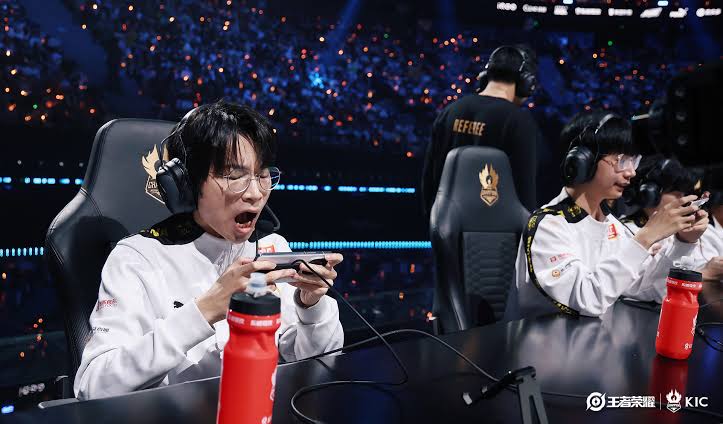
For years, conversations about competitive gaming revolved around PC titles such as League of Legends, Dota 2, and Counter-Strike. These games helped establish esports as a global industry, building professional leagues, million-dollar tournaments, and passionate fan communities that continue to thrive today.
However, the biggest growth story in modern esports has come from an entirely different platform. Mobile gaming has transformed from a casual pastime into one of the industry's most influential competitive sectors. Titles like Mobile Legends: Bang Bang (MLBB), Honor of Kings, PUBG Mobile, and Free Fire now attract millions of viewers, offer some of the largest prize pools in esports, and fill arenas across Asia, the Middle East, and beyond.
The rise of mobile esports is not driven by a single viral tournament or a temporary trend. It is the result of greater accessibility, massive player communities, publisher investment, and increasing support from tournament organizers. Recent viewership figures and the growing importance of mobile titles at the Esports World Cup suggest that mobile esports has firmly established itself as one of the industry's strongest pillars.
Mobile Esports Has Created A Global Audience
If there is one statistic that best illustrates the rise of mobile esports, it is viewership.
According to Esports Charts, the Mobile Legends: Bang Bang M7 World Championship reached approximately 5.68 million peak viewers, making it one of the most-watched esports events of 2026 and one of the largest audiences ever recorded for a mobile title. That figure places MLBB alongside some of the biggest events in esports, demonstrating that mobile games are capable of attracting audiences comparable to the industry's most established PC competitions.
This trend was also reflected in UMG Gaming's Esports Viewership Report Q1 2026, which found that Mobile Legends led all esports titles in peak viewership during the first quarter of the year. While League of Legends, Counter-Strike, VALORANT, and Dota 2 continue to command enormous audiences, mobile games are no longer competing for attention from a niche audience. They have become major attractions in their own right.
The growth extends well beyond a single title. Honor of Kings continues to dominate the Chinese market while expanding internationally, PUBG Mobile maintains one of the world's largest competitive ecosystems, and Free Fireremains hugely popular across Latin America and Southeast Asia. Collectively, these games have created a mobile esports ecosystem capable of producing consistently high viewership throughout the calendar year.
Perhaps the most important takeaway is consistency. Mobile esports tournaments continue to generate strong audiences year after year, suggesting that publishers have built sustainable competitive ecosystems rather than relying on isolated blockbuster events.
Biggest Mobile Esports Events By Peak Viewership
| Tournament | Game | Peak Viewers |
|---|---|---|
| M7 World Championship (2026) | Mobile Legends: Bang Bang | 5,680,511 |
| Free Fire World Series 2021 Singapore | Free Fire | 5,415,990 |
| Honor of Kings Invitational Season 3 (2025) | Honor of Kings | 2,009,727 |
| PUBG Mobile Global Championship 2021 | PUBG Mobile | 3,801,998 |
Leading Mobile Esports By 2026 Prize Money
| Game | Total Prize Money (2026) |
|---|---|
| Honor of Kings | $4,844,175 |
| PUBG Mobile | $4,320,630 |
| Mobile Legends: Bang Bang | $2,905,176 |
| Free Fire | $2,785,856 |
Source: Esports Charts
Accessibility Has Changed Competitive Gaming
The success of mobile esports begins with accessibility.
Unlike high-end gaming PCs, smartphones are already part of everyday life for billions of people. For many players, downloading a free-to-play mobile game requires little more than an internet connection and a compatible device. That lower barrier to entry has allowed competitive gaming to reach audiences that might never have considered purchasing expensive gaming hardware.
This has been particularly evident in Southeast Asia, where countries such as the Philippines, Indonesia, Malaysia, and Thailand have embraced mobile gaming as their primary platform. Instead of internet cafés filled with gaming PCs, many aspiring competitors begin their journey on smartphones, creating a larger talent pool and a wider audience for professional competition.
As participation increased, publishers responded by investing in structured esports ecosystems. Regional leagues, franchise competitions, and international championships gave aspiring players a clear pathway from ranked matches to professional competition, while fans gained year-round storylines to follow.
The result is an ecosystem that continues to grow organically. More players create more competition, stronger competition attracts larger audiences, and those audiences encourage publishers and tournament organizers to invest even further.
The Esports World Cup Shows Mobile Games Are A Global Priority
One of the clearest indicators of mobile esports' importance is its role at the Esports World Cup.
The tournament has positioned mobile titles alongside some of the biggest names in competitive gaming instead of treating them as secondary events. Games such as Mobile Legends: Bang Bang, Honor of Kings, PUBG Mobile, and Free Fire are all featured as headline competitions with multi-million-dollar prize pools that rival many of the industry's biggest PC tournaments.
That investment reflects confidence from tournament organizers rather than simple experimentation. Prize pools of this size require publisher support, commercial partnerships, and confidence that the games can attract both audiences and sponsors on a global scale.
The Esports World Cup has also helped introduce mobile esports to new regions. While titles like Mobile Legends have traditionally drawn their largest audiences from Southeast Asia, the tournament's international format has brought together organizations from Europe, the Middle East, North America, and Latin America, expanding the global reach of mobile competition.
The prominence of mobile games at the Esports World Cup reinforces an important point. Competitive mobile gaming is no longer being treated as an emerging category. It has become one of the event's biggest attractions and an essential part of the modern esports calendar.
Brands Are Investing Where The Fans Are
Growing audiences naturally attract commercial investment, and mobile esports has become an increasingly valuable platform for global brands.
UMG Gaming previously reported that the MLBB M7 World Championship generated an estimated $18.6 million in partner brand value, highlighting the commercial opportunities created by the game's enormous audience. For sponsors, mobile esports offers direct access to highly engaged communities that consume content through livestreams, social media, and creator-driven platforms.
The appeal extends beyond gaming brands. Telecommunications companies, smartphone manufacturers, financial services, food and beverage companies, and consumer technology brands have all increased their presence in mobile esports over recent years. Their investment reflects a simple business reality. Brands want to reach large audiences, and mobile esports consistently delivers them.
Commercial growth also helps strengthen the competitive ecosystem. Sponsorship revenue supports larger tournaments, improves broadcast quality, and creates more opportunities for teams and players to compete professionally. This cycle of investment has become one of the key reasons mobile esports continues to expand across multiple regions.
Mobile Esports Is Here To Stay
The question is no longer whether mobile esports deserves a place alongside traditional PC esports. The evidence already provides the answer.
Record-breaking viewership, growing commercial investment, expanding international tournaments, and the continued success of games like Mobile Legends, Honor of Kings, PUBG Mobile, and Free Fire all point toward the same conclusion. Mobile esports has become one of the industry's strongest competitive sectors, supported by millions of players and fans around the world.
PC esports will continue to play a central role in competitive gaming, but mobile esports has established its own identity rather than existing in its shadow. As publishers continue to invest in professional leagues and global tournaments, and as events like the Esports World Cup place mobile titles at the center of their competitive lineup, the platform's influence is only expected to grow.
For the latest esports news, tournament coverage, and esports betting updates, stay tuned with UMG Gaming.
About the author
CJ
Christian Joseph “CJ” Zambale is a journalist and content specialist who covers the iGaming and esports industries.