
Clear Street And Kalshi Deal Signals Prediction Markets Are Moving Toward Wall Street
Institutional Finance Is Starting To Enter Prediction Markets
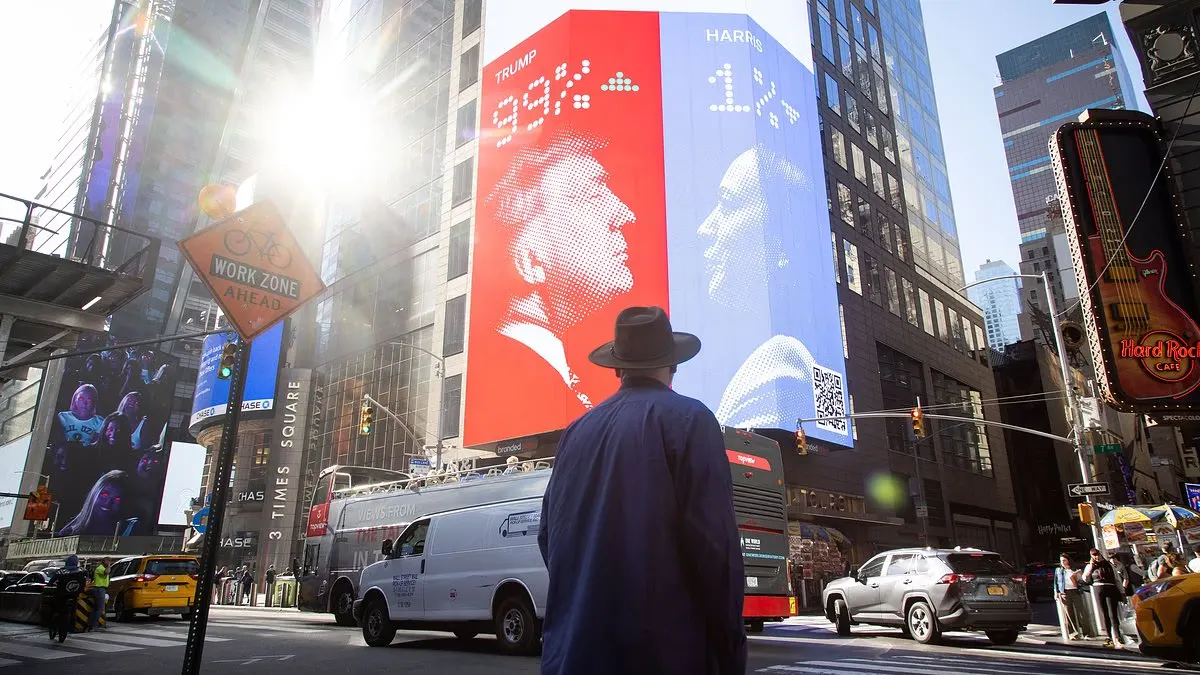
Prediction markets are no longer operating only at the edge of gambling, crypto, and retail speculation.
The latest sign came through Kalshi’s new partnership with Clear Street, a prime brokerage and financial infrastructure firm that services hedge funds and institutional traders. The agreement will allow Clear Street clients to access Kalshi’s event contracts through institutional-grade trading and clearing systems.
That changes the conversation around prediction markets considerably.
For years, platforms such as Kalshi and Polymarket were largely associated with election odds, sports predictions, and internet-driven speculation. The Clear Street deal points toward something bigger: institutional finance beginning to treat prediction markets as a legitimate trading category.
Prediction Markets Are Starting To Look More Like Financial Products
The partnership goes beyond simple platform access.
Clear Street said the agreement includes clearing, settlement, derivatives support, block trading infrastructure, and swap desk integration tied to future prediction market ETFs.
That language matters because it places prediction markets closer to traditional financial infrastructure than sportsbooks.
Kalshi has pushed aggressively toward that positioning over the past year. The company has repeatedly argued that its event contracts belong under financial regulation through the Commodity Futures Trading Commission rather than state gambling oversight.
Now, institutional firms appear increasingly willing to test that argument in practice.
Wall Street interest has also expanded beyond direct trading. Recent filings tied to prediction market ETFs and investment research partnerships suggest firms are exploring ways to integrate event-based pricing into broader financial analysis.
The Industry Is Moving Faster Than Regulators
The institutional push comes while regulators are still debating what prediction markets actually are.
States continue arguing that sports-related event contracts resemble unlicensed betting products, while federal regulators maintain they fall under derivatives law. Tribal gaming groups and sportsbook operators have also raised concerns that prediction markets are bypassing established gambling frameworks.
At the same time, Kalshi continues expanding.
The company recently reached a reported $22 billion valuation and has rapidly increased both trading volume and mainstream visibility.
That growth is beginning to attract traditional finance firms that previously stayed away from the sector.
Clear Street is not entering because prediction markets are trendy on social media. It is entering because institutional investors increasingly see these markets as useful for forecasting, hedging, and short-term event exposure.
Retail Speculation And Institutional Trading Are Starting To Collide
The shift also changes the makeup of prediction markets themselves.
These platforms were originally built around retail participation, where casual users traded on politics, sports, and entertainment outcomes. Institutional participation introduces a different environment entirely.
Professional traders bring algorithms, liquidity strategies, faster data access, and risk models that ordinary users often cannot match.
That gap is already becoming visible. Recent analyses found that a small percentage of sophisticated accounts capture most profits on prediction market platforms, while casual traders lose significantly more often.
The more institutional capital enters the space, the further prediction markets move away from crowd forecasting and toward professionalized financial trading.
Prediction Markets Are Entering A Different Era
The Clear Street partnership may end up being remembered as a turning point.
Prediction markets are no longer being discussed only alongside sportsbooks and crypto platforms. They are increasingly being discussed alongside derivatives, ETFs, and institutional trading infrastructure.
That does not mean the regulatory questions disappear. If anything, they become more important.
Because once Wall Street starts entering the space, prediction markets stop looking like a niche internet product and start looking like part of the financial system itself.
Stay tuned to UMG Gaming for more updates on regulation, market movement, and the evolving U.S. gaming landscape.
About the author
CJ
Christian Joseph “CJ” Zambale is a journalist and content specialist who covers the iGaming and esports industries.