
Prediction Market Litigation Escalates As CFTC Clashes With State Regulators
The CFTC moves against state regulators, escalating the legal battle over prediction markets and how these platforms should be classified in the US.
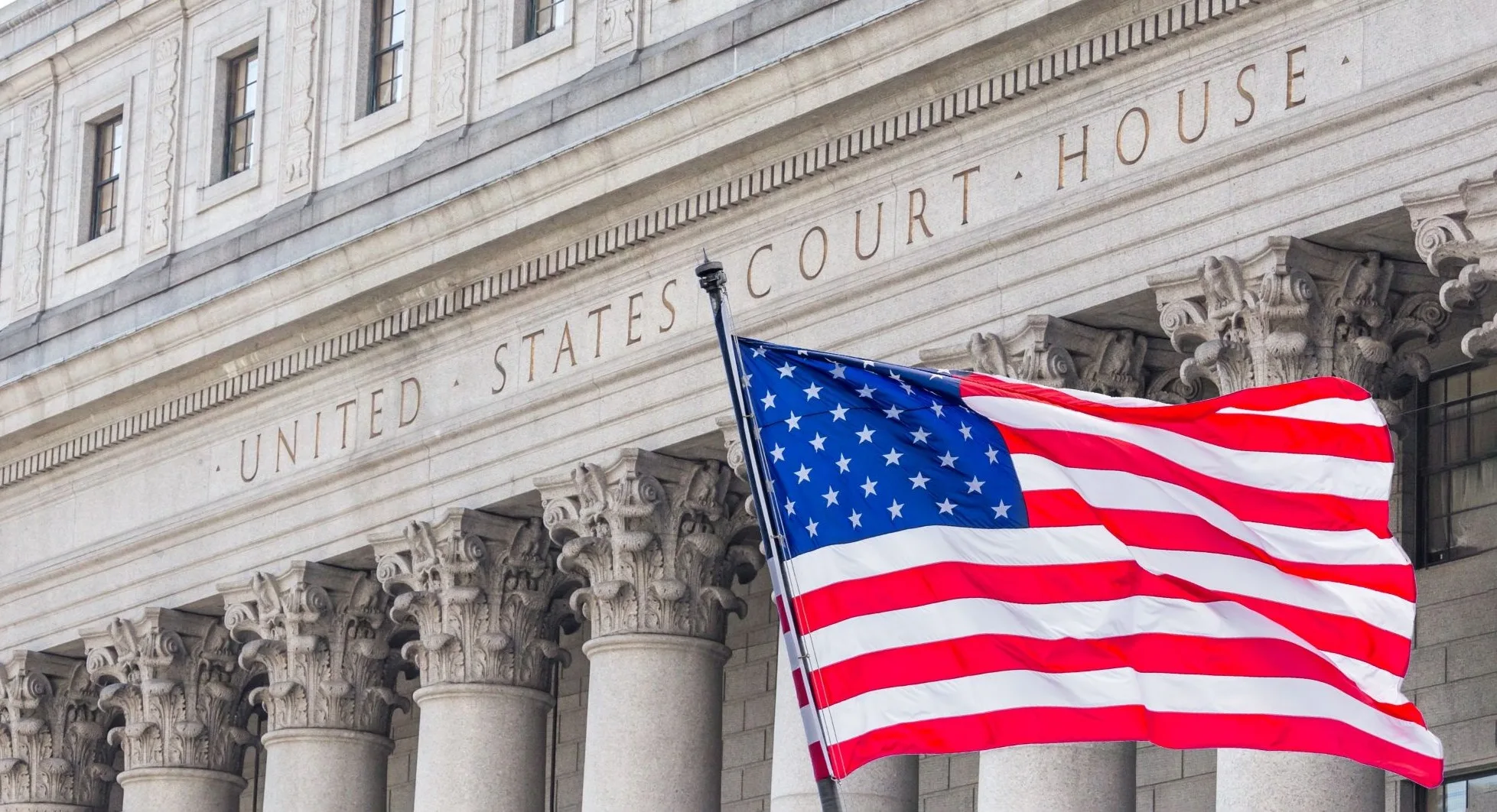
Legal pressure around prediction markets intensified on April 24, as the Commodity Futures Trading Commission (CFTC) moved to block state-level oversight, opening a new phase in the ongoing dispute over how these platforms should be regulated.
The conflict centers on whether prediction markets fall under federal derivatives law or state gambling frameworks. The CFTC maintains that event-based contracts are financial instruments under its jurisdiction, while multiple states argue they resemble unlicensed betting products.
Recent filings show the regulator taking direct legal action against states attempting to enforce their own rules, including New York, Arizona, and Illinois. The situation has also drawn concern from tribal gaming groups, who see prediction markets as a potential challenge to established gaming compacts and state-controlled betting systems.
Federal Versus State Authority Remains Core Issue
At the center of the dispute is control.
The CFTC argues that prediction markets should be treated as regulated exchanges under federal law, similar to other derivatives platforms. State regulators disagree, pointing to the similarities between event contracts and traditional betting.
Courts have begun to question that distinction. In recent hearings, judges raised concerns that sports-related contracts offered by these platforms may not be meaningfully different from standard wagers, adding pressure to the industry’s legal position.
This disagreement has created a fragmented landscape, with operators navigating overlapping legal challenges across multiple jurisdictions.
Growing Scrutiny Around Operators And Market Integrity
The legal disputes are not limited to jurisdiction.
Prediction market operators are also facing increased scrutiny tied to market integrity and user behavior. A recent case involving a U.S. soldier accused of using classified information to place bets highlighted the risks tied to insider access and enforcement gaps.
Concerns around insider trading, user verification, and platform accountability have become central to the broader regulatory discussion. Offshore platforms, in particular, have drawn attention due to looser compliance requirements compared to regulated exchanges.
These issues have also raised alarms within tribal gaming, where operators are bound by strict compliance frameworks under state compacts. The rise of prediction markets, operating outside those structures, has led to concerns around uneven enforcement and potential loss of regulatory control.
Global Pressure Builds Against Prediction Market Expansion
The situation in the United States is part of a wider trend.
Several countries have begun taking action against prediction market platforms, with regulators arguing that these products function as gambling under a different label. Brazil, for example, recently blocked dozens of platforms while tightening rules around event-based derivatives tied to sports and real-world outcomes.
At the same time, lawmakers and policy groups in the U.S., along with tribal gaming representatives, are calling for tighter restrictions. The concerns center on consumer protection, accessibility, and how these platforms operate outside established gaming frameworks as the sector continues to expand.
Industry Growth Continues Despite Legal Uncertainty
Despite the growing legal pressure, prediction markets continue to expand.
Platforms such as Kalshi and Polymarket have gained traction by offering contracts tied to real-world events, ranging from economic indicators to esports and entertainment outcomes. These markets are increasingly being integrated into broader discussions around betting, forecasting, and fan engagement.
The April 24 litigation marks another step in the ongoing battle over prediction markets in the United States.
With federal regulators pushing for exclusive authority and states continuing to challenge that position, the outcome of these cases is likely to shape how prediction markets operate going forward.
For now, operators remain active, but under increasing legal and regulatory pressure.
Stay tuned to UMG Gaming for more updates on regulation, market movement, and the evolving iGaming landscape.
About the author
CJ
Christian Joseph “CJ” Zambale is a journalist and content specialist who covers the iGaming and esports industries.