
Esports Integrity Faces Renewed Scrutiny Across Competitive Gaming
ESIC and major tournament organizers continue investigating cheating and match-fixing cases as integrity concerns grow across esports.
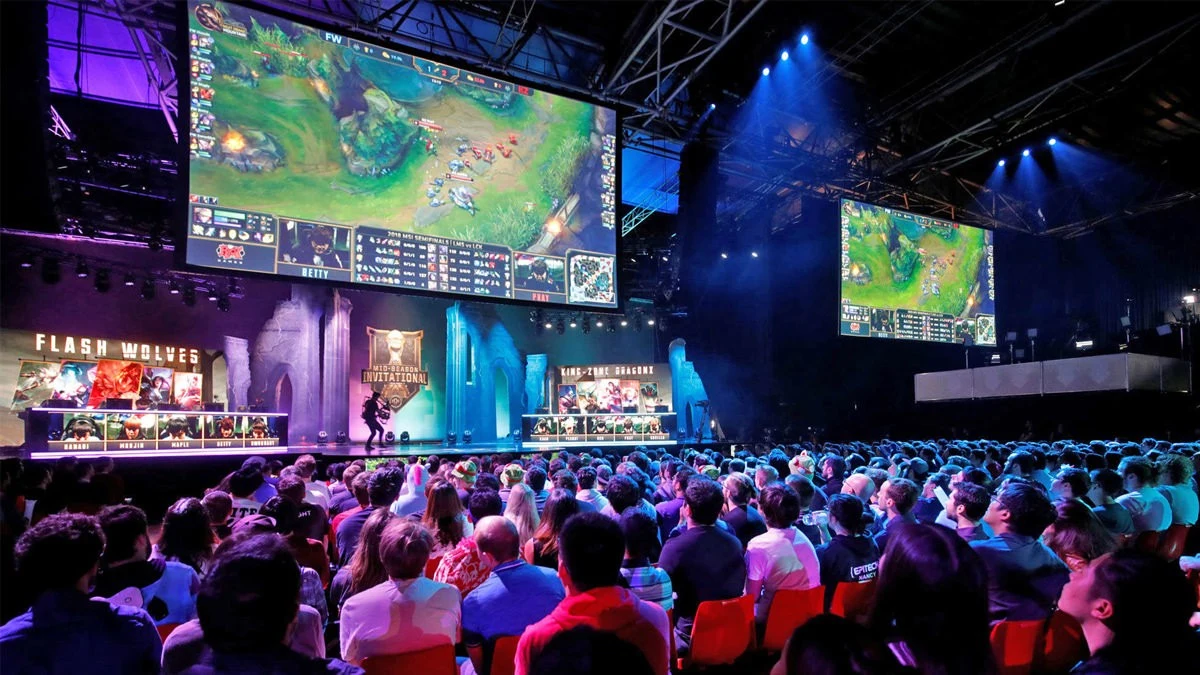
Competitive integrity has once again become a major topic across esports following multiple investigations, suspensions, and match-fixing cases reported over the past year.
From Counter-Strike 2 to VALORANT and Dota 2, tournament organizers and publishers continue facing pressure to strengthen anti-cheat systems, betting oversight, and player monitoring as esports betting markets continue to grow worldwide. (esports.net)
The issue is not new to esports. Several high-profile scandals over the years have already damaged trust within competitive scenes, particularly in games with growing betting ecosystems.
Read Also: The most infamous cheating and match-fixing controversies in esports history
ESIC Remains Central to Esports Integrity Investigations
One of the organizations most closely tied to competitive integrity enforcement in esports is the Esports Integrity Commission, more commonly known as ESIC.
Founded in 2016, ESIC operates as an independent watchdog focused on investigating cheating, match-fixing, betting fraud, and corruption within competitive gaming. The organization works alongside tournament operators, betting companies, and esports organizations to monitor suspicious activity and issue sanctions when violations are confirmed.
Over the years, ESIC has handled several major Counter-Strike investigations involving coaching exploits, betting syndicates, and organized match-fixing cases. Some players and teams have received lifetime bans from ESIC-affiliated tournaments after investigations tied to suspicious betting activity.
The organization also maintains an integrity code that partnered tournaments and teams are expected to follow, covering areas such as betting restrictions, insider information, cheating software, and match manipulation.
Despite its role within the industry, ESIC has also faced criticism from parts of the esports community regarding the consistency of punishments and the transparency of some investigations, particularly in lower-tier regional scenes.
Match-Fixing Cases Continue Across Multiple Titles
One of the latest incidents involved former VALORANT professional Seungmin “ban” Oh, who received a 12-month suspension from Riot Games after an investigation connected him to discussions involving match manipulation during the 2025 VCT Pacific season. Riot stated that participating in conversations related to match-fixing alone already violated competitive integrity rules. (esports.net)
Counter-Strike has also dealt with repeated integrity investigations in recent years.
Reports involving the Mongolian CS2 scene previously led to multiple ESIC bans connected to underground betting activity and alleged match-fixing operations. Several individuals later received lifetime suspensions from ESIC-affiliated events. (esports.gg)
Dota 2 has faced similar problems as well, with past allegations involving suspicious betting patterns, cheating tools, and manipulated matches during regional and international competition. (esports.gg)
Betting Growth Continues Raising Concerns
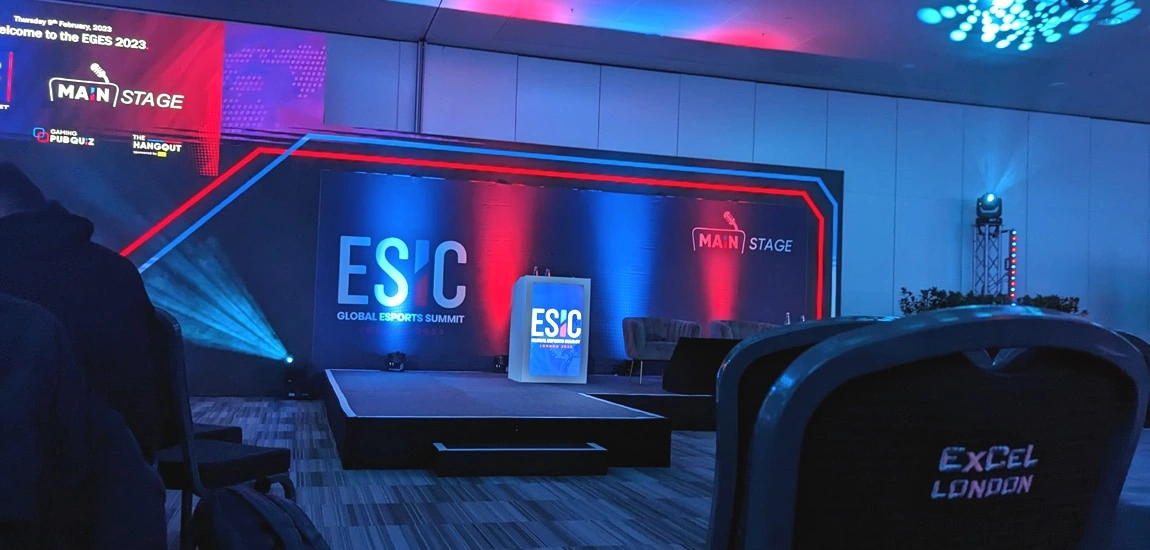
The rapid growth of esports betting has added even more pressure on tournament operators and integrity bodies to strengthen monitoring systems.
Organizations such as ESIC, Sportradar, and Riot Games’ competitive operations teams continue expanding investigations and betting surveillance tools in response to suspicious activity tied to esports markets. (competitiveops.riotgames.com)
At the same time, community discussions around transparency and enforcement standards remain active across several esports scenes.
Recent online discussions involving betting data providers and integrity partners have raised questions about whether tournament organizers are fully equipped to handle the scale of modern esports betting markets. (reddit.com)
Integrity Remains One of Esports’ Biggest Challenges
As esports continues expanding commercially, integrity enforcement remains one of the industry’s biggest long-term concerns.
Competitive gaming now operates in an environment heavily connected to sponsorships, livestreaming, gambling markets, and international tournaments. While that growth has created larger opportunities across the industry, it has also increased the risks surrounding cheating, insider information, account sharing, and betting manipulation.
Although publishers and tournament organizers continue investing in anti-cheat systems and investigations, recent cases across multiple games show that competitive integrity remains an ongoing challenge throughout esports.
For more esports and industry news, stay tuned for UMG Gaming.
About the author
CJ
Christian Joseph “CJ” Zambale is a journalist and content specialist who covers the iGaming and esports industries.