
How Patch Notes Actually Impact Esports Betting
Patch notes don’t just change how a game feels. They quietly reshape the entire esports betting landscape.
In traditional sports, teams improve or decline over time. In esports, one update can flip everything overnight. A team that looked dominant last week can suddenly struggle. A mid-tier squad can rise just because the meta now fits their style.
If you’re betting, that constant change is where things get interesting.
Why Patch Notes Matter So Much
Games like Dota 2, Counter-Strike 2, and Valorant are built around regular updates. Developers tweak numbers, adjust mechanics, and sometimes rework entire systems. These changes are meant to keep the game fresh, but they also make esports unpredictable.
From a betting perspective, this creates a gap between what people think will happen and what actually plays out.
Most bettors look at recent results. Win streaks, head-to-head records, rankings. Those still matter, but patch notes can make them less reliable.
A team that relied heavily on a specific strategy might lose its edge if that strategy gets nerfed. Another team that struggled before might suddenly thrive because the patch favors their playstyle.
This is why experienced bettors pay attention to updates first, results second.
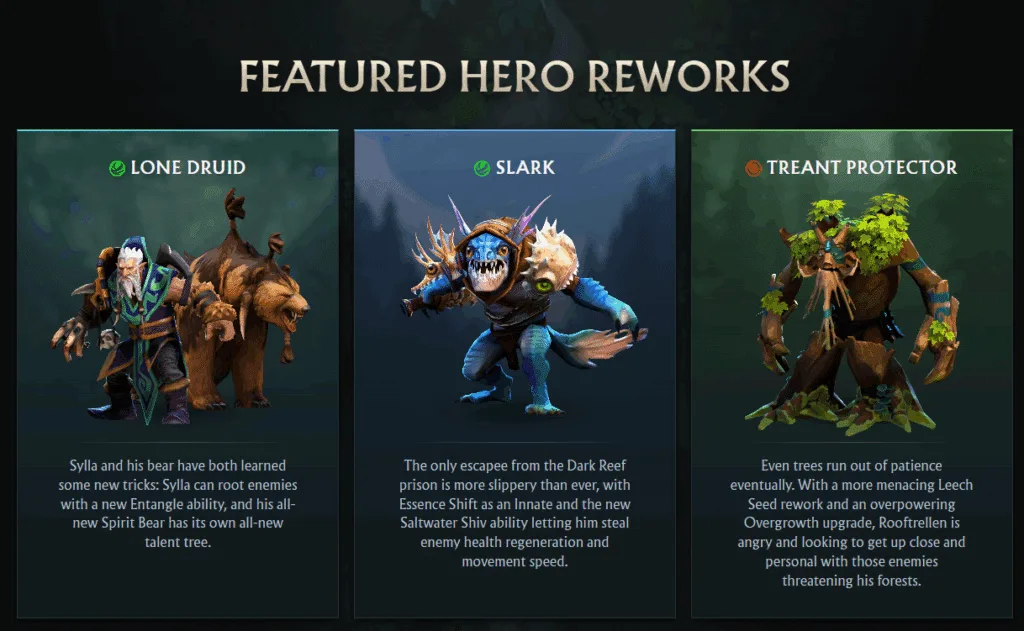
We’ve seen this many times in Dota 2. A patch drops right before a tournament, and suddenly teams are experimenting. Drafts look different. Priorities change. Some teams adapt quickly, while others take time. During that adjustment period, results can look completely off compared to expectations.
That short window is where value usually exists.
The Timing Advantage Most People Miss
One of the biggest advantages in esports betting comes down to timing.
Right after a patch, there’s uncertainty. Teams haven’t fully figured things out yet. Analysts are still guessing. Betting markets are adjusting, but not always instantly.
This creates a situation where informed bettors can move faster than the odds.
For example, if a patch nerfs a dominant strategy, the public might still favor teams known for using it. But someone who understands the change can see that those teams might struggle.
On the flip side, if a patch buffs a certain playstyle, teams that specialize in it can suddenly outperform expectations.
It’s not about predicting everything perfectly. It’s about spotting when the market is slightly behind.
That’s also why betting platforms are starting to focus more on speed and usability. Features like GGBet’s “Popular Bets” rollout show how sites are trying to simplify decisions and highlight trending markets, especially during fast-moving moments.
Esports Betting in the USA Is Evolving
The conversation around esports betting in the USA is also shifting, especially with new platforms entering the space.
Prediction markets like Kalshi and Polymarket are starting to offer a different approach. Instead of traditional odds, users trade on outcomes. Prices move based on demand, which means the market reacts to information in real time.
That changes how patch notes come into play.
In a traditional sportsbook, odds might take time to fully adjust after a patch. In a prediction market, prices can shift immediately as users react to new information.
If a patch drops and bettors believe it favors a certain team, you’ll see that reflected quickly in the market.
This makes knowledge even more important. If you understand the patch before most users, you’re in a better position. If you’re late, you’re following the trend instead of getting ahead of it.
Platforms are also becoming more interactive. Tools like Kalshi integrating live scores and streams show how the experience is moving toward real-time engagement. Instead of placing a bet and waiting, users are staying connected throughout the match.
How Different Games React to Patches
Not all esports react to updates in the same way.
Dota 2
Dota 2 is probably the most extreme example. A single patch can completely reshape the meta. Heroes fall out of favor, new strategies emerge, and teams often need time to adjust.
We’ve seen situations where patches hit right before qualifiers or major events, forcing teams to adapt almost immediately. Recent updates that adjusted key heroes ahead of DreamLeague qualifiers showed how even small changes can impact drafts and outcomes.
For bettors, Dota 2 is one of the most volatile but also one of the most rewarding if you understand the meta.
League of Legends
League of Legends patches are usually smaller, but they still shift the meta over time.
Most updates tweak champions or items, which slowly changes draft priorities. It’s not as sudden as Dota 2, but teams that adapt faster often gain an edge.
Flexible teams benefit the most, while those relying on a fixed playstyle can struggle if their key picks get nerfed.
Regional differences also matter. Some regions adjust quicker, which can create short windows where certain teams are undervalued in betting.
Counter-Strike 2
CS2 updates tend to be more subtle. Changes to weapons, maps, or economy systems still matter, but they don’t usually flip the entire game overnight.
That said, even small tweaks can affect performance. A slight adjustment to a weapon can change how teams approach rounds. Over time, that can influence results.
The difference is that CS2 patches usually take longer to fully show their impact.
Valorant
Valorant sits somewhere in between. Agent changes can shift team compositions, but the overall structure of the game stays consistent.
A buff to a specific agent might make certain teams stronger, especially if they already specialize in that playstyle. But it rarely creates complete chaos like in Dota 2.
Still, bettors who follow patch notes closely can spot trends early.
What Smart Bettors Actually Do
Understanding patch notes is one thing. Using them properly is another.
Smart bettors don’t just read updates. They look at how teams respond.
- Are teams experimenting or sticking to old strategies?
- Are certain picks showing up more often in early matches?
- Which teams are adapting quickly?
Watching early games after a patch is often more valuable than reading stats.
Another important factor is sample size. Early results can be misleading. A team might win a few matches because opponents haven’t adjusted yet. Over time, the meta stabilizes.
The key is knowing when you’re in that early phase and when things have settled.
The Role of Platforms and Tools
The definition of the best esports betting sites is changing because of all this.
It’s no longer just about offering good odds. It’s about helping users keep up with a fast-moving environment.
Modern platforms are focusing on:
- Real-time updates
- Simplified betting options
- Better visibility on trending markets
Some are leaning toward usability, like simplified bet tracking and curated options. Others are going deeper into real-time data and interactive features.
Prediction markets like Kalshi and Polymarket are pushing things further by turning betting into something closer to trading. That approach rewards users who react quickly and understand shifts early.
At the same time, these platforms are facing increasing attention from regulators in the U.S., especially as they expand into areas that look similar to traditional betting.
Common Mistakes to Avoid
A lot of bettors misunderstand how to use patch notes.
One common mistake is overreacting. Not every change matters equally. Some patches look big on paper but have limited real impact.
Another mistake is ignoring team identity. Even if a patch favors a certain style, not every team can execute it well.
There’s also the issue of timing. Jumping in too early without seeing how teams adapt can be risky. Waiting too long means the market has already adjusted.
The goal is balance. Use patch notes as a guide, not the only factor.
Does Patch Notes Affects Esports Betting?
Yes. Patch notes are part of the game, not just for players but for bettors too.
They create opportunities, but only for those paying attention.
In esports betting, especially as esports betting in the USA continues to grow, the edge often comes from understanding change faster than others. Platforms are evolving, tools are improving, and markets are becoming more dynamic.
The basics still matter. Teams, form, and strategy. But in esports, those things are always shifting.
And more often than not, it starts with a patch.
For more esports coverage, stay tuned to UMG Gaming.
About the author
CJ
Christian Joseph “CJ” Zambale is a journalist and content specialist who covers the iGaming and esports industries.