
Why Maine's New Tribal iGaming Law Is About More Than Online Casinos
Maine's new tribal iGaming law is being viewed as both a gambling expansion measure and a significant step toward economic sovereignty for the Wabanaki Nations.
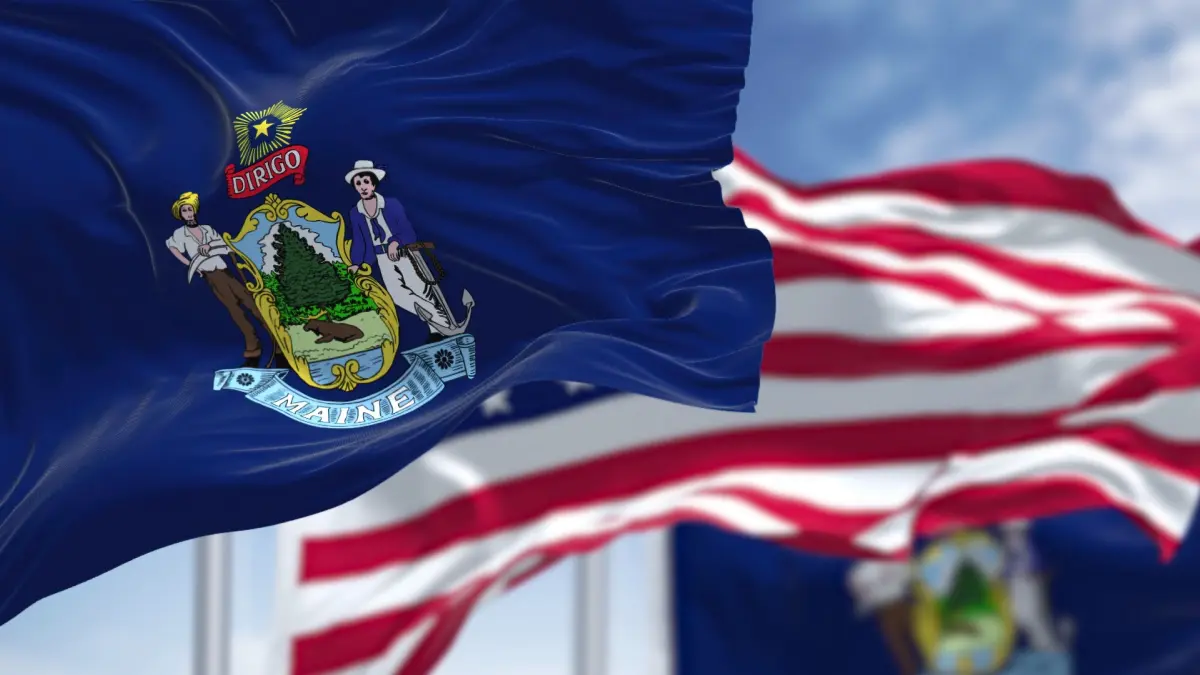
Maine's decision to legalize online casino gaming through the Wabanaki Nations has quickly become one of the most closely watched tribal gaming developments in the United States. On the surface, the law creates a new iGaming market in a state that has traditionally maintained a cautious approach toward gambling expansion. Dig a little deeper, however, and the story becomes less about online slots and table games and more about tribal sovereignty, economic self-determination, and a decades-long political relationship between the state and Maine's Indigenous nations.
Earlier this year, Governor Janet Mills allowed LD 1164, a bill granting the Wabanaki Nations exclusive rights to operate online casino gaming in Maine, to become law. Once regulatory rules are finalized, Maine will become just the eighth state in the country to legalize iGaming and only the third in New England to do so. The legislation follows a similar framework already used for online sports betting, where tribal nations partner with commercial operators to offer regulated wagering throughout the state.
A Rare Economic Opportunity for the Wabanaki Nations
Supporters of the legislation argue that the conversation cannot be separated from the unique economic position of Maine's tribes. The Wabanaki Nations; consisting of the Penobscot Nation, Passamaquoddy Tribe, Mi'kmaq Nation, and Houlton Band of Maliseet Indians have long argued that restrictions tied to the Maine Indian Claims Settlement Act have limited economic opportunities available to tribal governments compared to tribes in many other states.
Tribal leaders have repeatedly framed iGaming as a tool for economic development rather than simply another gambling product. Revenue generated through online casinos is expected to support housing projects, healthcare programs, public safety initiatives, education, infrastructure improvements, and employment opportunities within tribal communities. Chiefs from multiple Wabanaki nations have described the legislation as a significant step toward greater economic sovereignty, arguing that it provides tribes with a long-term revenue source that does not depend entirely on state or federal funding. Governor Mills cited those concerns when explaining her decision to allow the bill to become law, noting that tribal leaders viewed the measure as a potentially transformative economic opportunity for their communities.
For many supporters, that broader context is what separates the Maine debate from a traditional gambling expansion discussion. They see the law as part of a larger effort to address longstanding economic disparities while giving tribal governments greater control over their own futures.
Not Everyone Is Celebrating the Decision
Despite the support from tribal governments and many lawmakers, the legislation has generated substantial opposition. Critics have raised concerns about both the structure of the law and the potential social impact of expanding online gambling access across the state. Maine's commercial casino operators, including Oxford Casino and Hollywood Casino, opposed the legislation, arguing that it creates an exclusive market that excludes existing gaming businesses. Industry groups and regulators also questioned whether granting exclusive online casino rights to the tribes would create an uneven competitive environment.
Public health advocates have focused on a different concern: accessibility. Unlike traditional casinos, online gambling allows users to play from virtually anywhere with a mobile device. Researchers and gambling harm specialists have frequently pointed to online casino products as carrying higher risks than many other forms of wagering because of their speed, convenience, and continuous availability. A number of experts who opposed the bill warned lawmakers that legalizing iGaming could increase problem gambling rates if safeguards are not adequately implemented. Those concerns were echoed by officials within the Mills administration before the governor ultimately allowed the legislation to proceed.
The debate has created unusual political alliances. Tribal leaders and gaming operators seeking expansion found themselves on one side of the issue, while commercial casinos, gambling harm advocates, and some regulators found themselves on the other. As a result, the legislation became one of the most heavily debated gaming bills in Maine in recent years.
Read Also: Kewadin Casinos Launches New Phase of Multimillion-Dollar Property Upgrades
Why the Industry Is Watching Maine Closely
The significance of Maine's decision extends far beyond state borders. Tribal gaming stakeholders across the country are watching closely because the law represents another example of tribes using online gaming as a vehicle for economic development. The model closely mirrors Maine's sports betting framework, where tribal nations control market access through partnerships with commercial operators. If successful, it could strengthen arguments for similar arrangements in other jurisdictions where tribes are seeking greater participation in online gaming markets.
The law also arrives during a period when iGaming expansion remains relatively limited nationwide. While sports betting has spread rapidly across the United States, online casino gaming has expanded at a much slower pace due to concerns about consumer protection, problem gambling, and competition with existing brick-and-mortar casinos. Maine's entry into the market therefore represents a notable development for both the tribal gaming sector and the broader iGaming industry.
Whether the legislation ultimately delivers the economic benefits envisioned by tribal leaders or validates the concerns raised by opponents remains to be seen. What is already clear is that the debate surrounding Maine's iGaming law was never solely about gambling. At its core, the discussion has been about who benefits from new economic opportunities, how tribal sovereignty should function in practice, and whether online gaming can serve as a meaningful tool for long-term tribal development. Those questions will continue to shape the conversation long after the first legal online casino launches in the state.
Stay tuned to UMG Gaming for more updates on tribal gaming, prediction markets, and the evolving regulatory landscape across North America.
About the author
CJ
Christian Joseph “CJ” Zambale is a journalist and content specialist who covers the iGaming and esports industries.