
Minnesota’s Prediction Market Ban Triggers Federal Lawsuit
Minnesota’s new prediction market ban triggered a legal battle with federal regulators over Kalshi and event contracts.
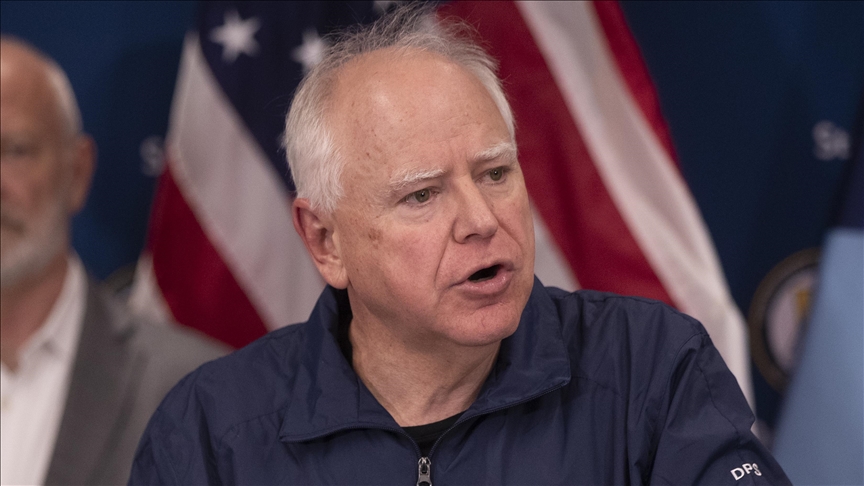
Minnesota officially became the first U.S. state to ban prediction markets this week after Governor Tim Walz signed legislation targeting platforms such as Kalshi and Polymarket. The law prohibits companies from offering or facilitating event-based contracts tied to sports, elections, weather events, award shows, and other real-world outcomes inside the state beginning August 1, 2026.
The response from federal regulators came almost immediately. Less than a day after the bill was signed, the Commodity Futures Trading Commission filed a lawsuit against Minnesota, arguing that federally regulated prediction market exchanges fall under commodities law and cannot be individually banned by states.
According to the CFTC, companies operating under federal oversight are legally allowed to offer event contracts nationwide. CFTC Chairman Michael Selig criticized the legislation and warned that the law would effectively criminalize federally regulated activity that already operates under existing commodities rules.
Minnesota lawmakers defended the bill by arguing that prediction markets have increasingly moved into gambling territory, particularly after platforms began aggressively expanding sports-related contracts over the past year. That expansion has already triggered backlash from tribal gaming groups, sportsbook operators, and gaming regulators across multiple states, many of whom believe prediction market platforms are now functioning similarly to sportsbooks while avoiding state licensing systems and gambling regulations.
Kalshi has continued rejecting those comparisons and maintains that it operates as a federally regulated financial exchange rather than a gambling platform.
The legal dispute in Minnesota is the clearest confrontation yet between state gaming regulation and federal oversight surrounding prediction markets. States including Nevada, Ohio, Arizona, Massachusetts, and Wisconsin already challenged sports event contracts through cease-and-desist orders and regulatory action, but Minnesota became the first to pass a direct statewide ban through legislation.
The lawsuit now places the broader prediction market debate directly into federal court as regulators continue fighting over who ultimately controls the industry moving forward.
Stay tuned to UMG Gaming for more updates on prediction markets, tribal gaming, and the evolving U.S. gaming landscape.
About the author
CJ
Christian Joseph “CJ” Zambale is a journalist and content specialist who covers the iGaming and esports industries.