
Nebraska’s Online Betting Push Could Reshape Tribal Gaming Debate
Nebraska’s online betting push is evolving into a larger fight over tribal gaming, gambling control, and the future of wagering in the state.
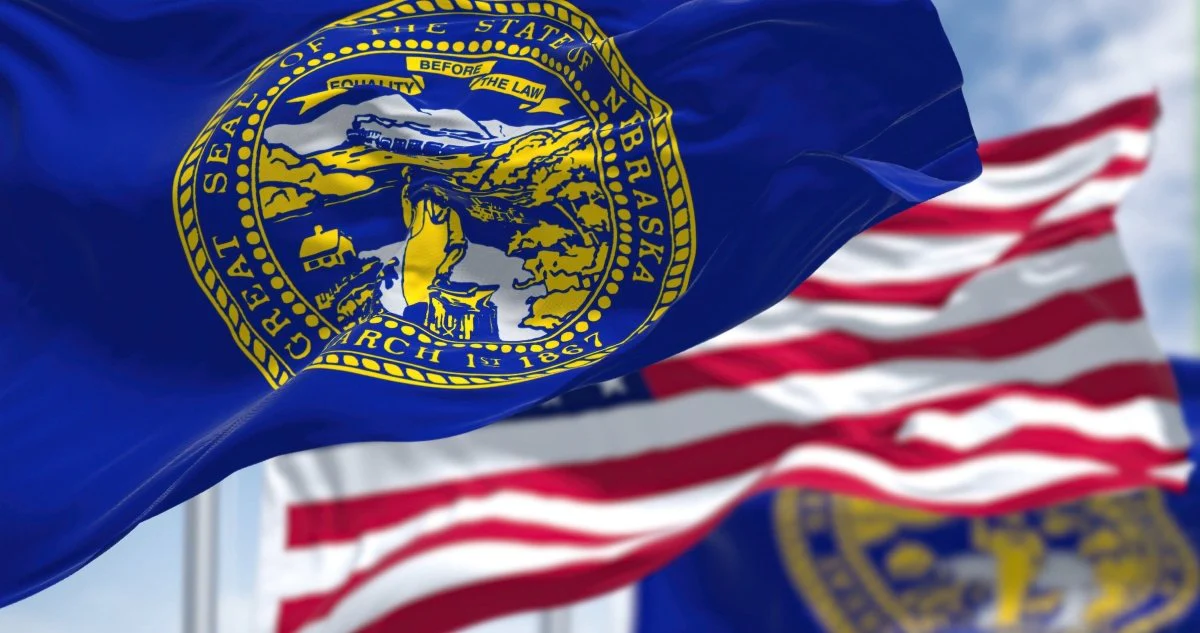
Nebraska’s latest push toward online sports betting is developing into something larger than a ballot initiative.
At the center of the discussion is a proposal that could allow voters to decide on statewide mobile wagering in 2026, with supporters arguing the move could generate new revenue for property tax relief. Backers estimate online betting could bring tens of millions of dollars annually into the state.
But the debate surrounding the initiative has increasingly shifted toward tribal gaming and how expanded online gambling could affect Nebraska’s existing casino structure.
Tribal Gaming Concerns Move Into The Spotlight
During recent Nebraska Supreme Court hearings tied to gambling initiatives, opponents argued that the proposed measures could indirectly expand tribal gaming authority within the state.
Supporters pushed back against that interpretation, stating the initiative itself does not directly authorize tribal gaming expansion. Still, the issue has become difficult to separate from the broader conversation around gambling in Nebraska.
That is largely because tribal-backed casino properties already play a major role in the state’s retail betting framework.
Nebraska currently allows retail sports betting at licensed casino properties, many of which operate through partnerships involving tribal gaming interests. Online wagering, however, remains prohibited.
If statewide mobile betting is approved, the question becomes who controls it.
The Fight Mirrors Larger National Gambling Trends
Nebraska’s situation reflects a wider issue happening across the United States.
In multiple states, tribal gaming groups are trying to protect exclusivity agreements and long-standing compacts while sportsbooks, commercial operators, and newer betting platforms push for broader access.
That tension has already slowed legislation in states such as Minnesota and Oklahoma, where disagreements between tribal operators and outside interests continue to stall online betting expansion.
The rise of prediction markets has added another layer of pressure.
Tribal gaming advocates have increasingly warned that federally regulated event contracts and online wagering products could weaken the state-by-state gaming framework that tribal operators have relied on for decades.
For tribal operators, the concern is not just competition. It is control.
Property Tax Relief Has Become The Main Political Selling Point
Supporters of the Nebraska initiative have focused heavily on tax relief.
The proposal argues that online sports betting revenue could help reduce pressure on homeowners by contributing to state property tax funds. That messaging has become central to the campaign as supporters attempt to frame gambling expansion as an economic tool rather than simply a gaming issue.
That approach is becoming increasingly common across gambling legislation in the United States. States looking at expansion often tie betting revenue to education, infrastructure, or tax programs in order to build public support.
Still, opponents argue projected revenue numbers are often overstated and may not meaningfully offset broader financial concerns tied to gambling expansion.
Nebraska Could Become Another Key Tribal Gaming Battleground
The legal arguments heard by Nebraska’s Supreme Court show how quickly sports betting discussions can evolve into larger disputes over sovereignty, regulation, and gaming rights.
If online wagering reaches the 2026 ballot and eventually passes, Nebraska would move into a new category of gambling states, one where tribal gaming, commercial sportsbooks, and political interests all compete for influence over the market’s future.
That makes this more than a standard legalization effort.
The outcome could help define how tribal gaming fits into the next phase of online betting expansion across the Midwest.
Stay tuned to UMG Gaming for more updates on regulation, market movement, and the evolving iGaming landscape.
About the author
CJ
Christian Joseph “CJ” Zambale is a journalist and content specialist who covers the iGaming and esports industries.