
Nevada Court Order Adds Pressure on Prediction Market Industry
Nevada regulators have secured a court order against Polymarket, adding another legal challenge for prediction market operators as state-level opposition continues to grow across the US.
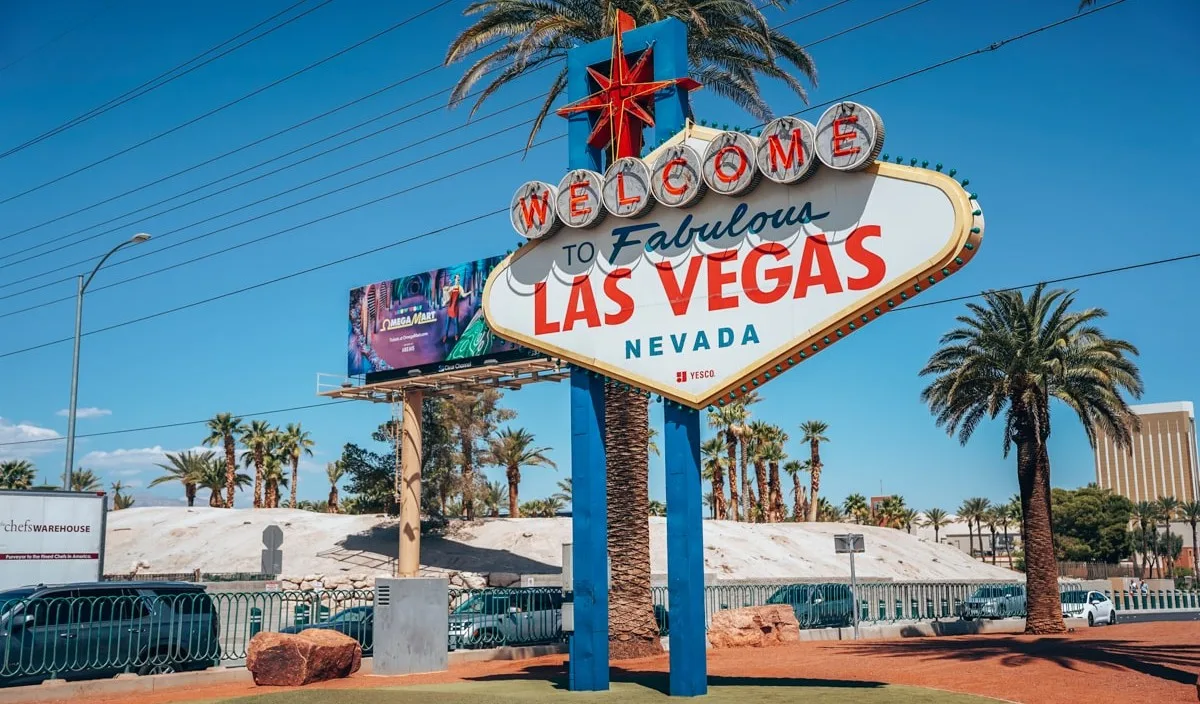
Nevada gambling regulators have secured a court order against Polymarket, marking another legal victory for state regulators as the battle over prediction markets continues to expand across the United States.
The ruling stems from a lawsuit filed earlier this year by the Nevada Gaming Control Board and the Nevada Gaming Commission, which argued that Polymarket was offering event-based contracts to Nevada residents without obtaining the licenses required for sports betting and gambling operators in the state.
While the case specifically targets Polymarket, its implications extend far beyond a single platform. The decision represents the latest development in an ongoing dispute between state gaming regulators and prediction market operators over who has the authority to oversee sports-related event contracts.
States Continue Challenging Prediction Markets
Over the past year, prediction markets have become one of the most contested issues in the US gambling industry.
Platforms such as Polymarket and Kalshi maintain that their products fall under federal oversight through the Commodity Futures Trading Commission (CFTC). State regulators, tribal gaming groups, and sportsbook operators have repeatedly challenged that position, arguing that many sports event contracts closely resemble traditional sports betting.
Nevada has been among the most aggressive states in pursuing enforcement actions. Regulators have consistently argued that companies accepting event-based wagers from Nevada residents must comply with the state's gambling laws regardless of how those products are structured.
The latest court order strengthens Nevada's position and provides another example of states pushing back against prediction market expansion.
Industry Opposition Continues to Grow
The legal pressure facing prediction markets extends beyond Nevada.
As previously covered by UMG Gaming, the American Gaming Association recently claimed that states and tribal governments have lost more than $1 billion in potential tax revenue due to sports prediction markets operating outside traditional gambling frameworks.
Tribal gaming groups have also become increasingly vocal, arguing that prediction markets compete directly with regulated sportsbooks while avoiding state taxes, licensing fees, and consumer protection requirements.
The industry debate has grown into one of the most significant regulatory disputes currently facing US gaming, drawing involvement from state regulators, tribal operators, sportsbook companies, prediction market platforms, and federal agencies.
Read Also: Polymarket Strengthens Sports Media Presence Through OneFootball Deal
More Legal Battles Likely Ahead
The Nevada ruling does not settle the broader question surrounding prediction markets, but it adds momentum to regulators seeking greater oversight of the sector.
Several states continue examining prediction market activity, while operators maintain that federal commodities law gives them the right to offer event contracts nationwide. At the same time, court cases involving Kalshi and other platforms remain active across multiple jurisdictions.
For now, Nevada's victory represents another challenge for an industry already facing increased scrutiny from regulators, lawmakers, and gaming stakeholders throughout the United States.
Stay tuned to UMG Gaming for more updates on prediction markets, federal regulation, and the evolving legal landscape surrounding event-based contracts.
About the author
CJ
Christian Joseph “CJ” Zambale is a journalist and content specialist who covers the iGaming and esports industries.