
Sportsbooks Are Spending Big In Politics As US Betting Expansion Slows
Sportsbook operators are spending millions on politics as competition, regulation, and prediction markets reshape the US betting industry.
The relationship between sports betting and politics in the United States is becoming harder to ignore.
Major sportsbook operators, including DraftKings, FanDuel, Fanatics, and Bet365, have collectively poured tens of millions of dollars into political efforts tied to gambling expansion, regulation, and market access. Much of that money has recently flowed through a super PAC known as “Win for America,” which has already spent heavily across multiple state elections.
The timing is not accidental.
After years of rapid expansion following the 2018 repeal of PASPA, the sportsbook industry is entering a different phase. Most major betting states are already open, competition is tighter, and operators are now fighting over the remaining high-value markets, particularly Texas and California.
Political influence has become part of that battle.
The Industry Is Moving Beyond Advertising
For years, sportsbooks focused heavily on customer acquisition.
Television ads, welcome bonuses, celebrity partnerships, and aggressive marketing campaigns dominated the first wave of expansion. DraftKings and FanDuel became synonymous with that approach during the daily fantasy sports boom before transitioning into nationwide sportsbooks.
Now, the strategy is changing.
Operators are increasingly investing in lobbying groups, political action committees, and state-level campaigns as legal expansion slows and regulatory fights become more important than customer awareness.
That shift reflects how mature the market has become. In many states, the question is no longer whether people know these brands exist. The question is whether legislation can still move.
Prediction Markets Have Added Pressure To The Sportsbook Industry
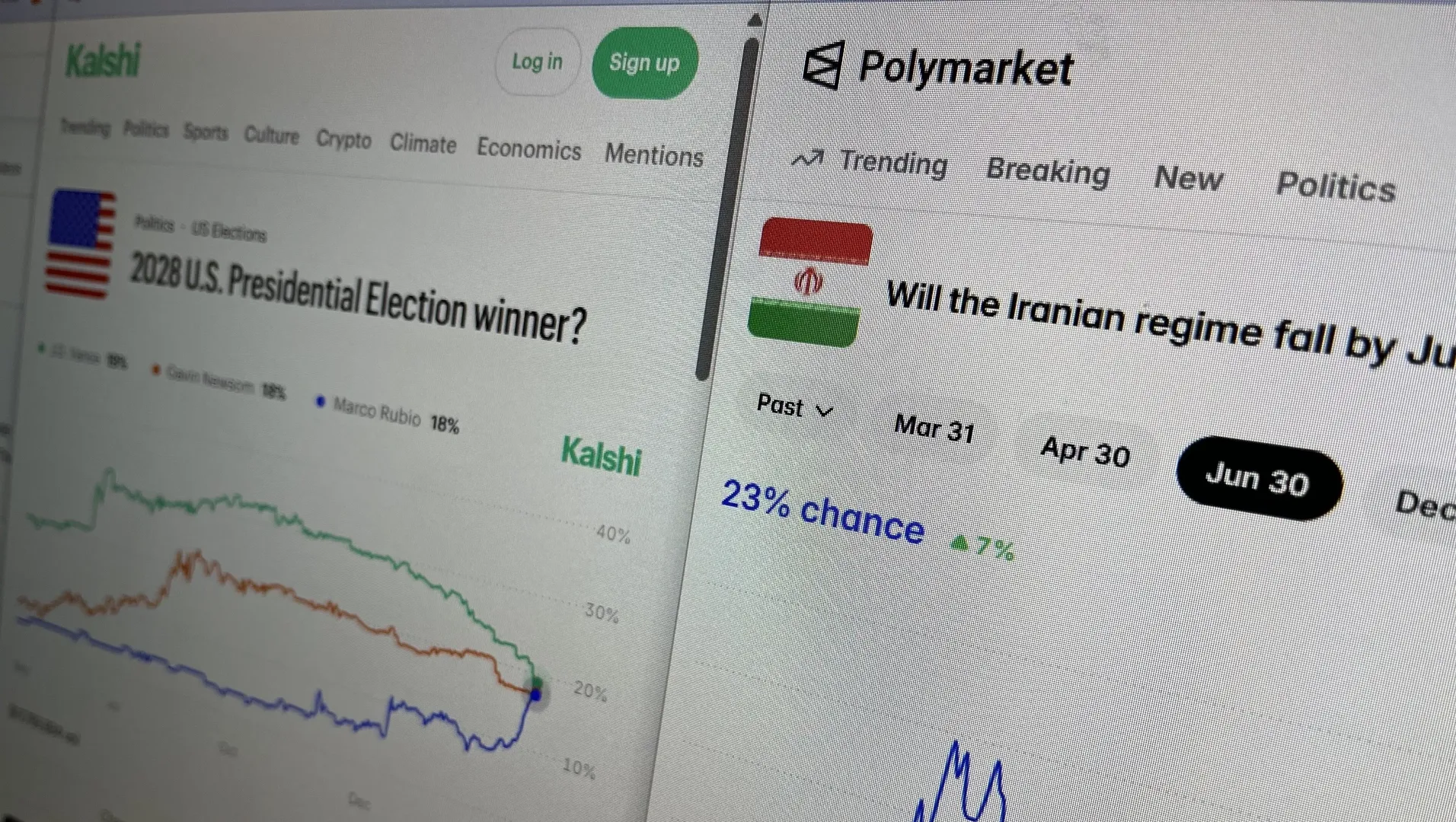
Another factor behind the increase in political spending is the rise of prediction markets.
Platforms tied to event contracts and federally regulated derivatives have started entering spaces traditionally controlled by sportsbooks. Companies across the betting industry are paying close attention to that shift, especially as prediction markets continue expanding into sports-related products.
That pressure has created unusual alliances inside gambling.
Traditional sportsbook operators have spent years pushing for state-by-state legalization under gaming regulation. Prediction market platforms, meanwhile, operate under a different structure tied to federal oversight through the Commodity Futures Trading Commission.
The result is a growing divide over who controls the future of online wagering in the United States.
State Politics Have Become Part Of The Expansion Strategy
Political spending is now directly tied to expansion targets.
Reports show sportsbook-backed PACs already spending in states such as Texas, Georgia, Ohio, Illinois, and Alabama. Some of these states remain closed to online sports betting, while others are debating new restrictions, tax structures, or licensing models.
Texas, in particular, remains one of the biggest prizes in the industry. A fully legalized Texas market would immediately become one of the most valuable betting states in North America.
That explains why sportsbook companies are no longer limiting themselves to industry lobbying groups. They are increasingly becoming direct political participants.
The Debate Around Gambling’s Influence Continues To Grow
The increase in political spending has also intensified criticism around the broader gambling industry.
Consumer groups, regulators, and lawmakers continue raising concerns around addiction, advertising practices, and the financial impact of mobile betting. Recent reports tied online sportsbooks to rising debt problems among younger bettors, especially as gambling apps become more accessible through mobile platforms.
At the same time, operators argue that regulated betting markets generate tax revenue, create jobs, and offer consumer protections that offshore platforms do not.
That disagreement is likely to become even louder as more states debate legalization and as prediction markets continue expanding into gambling-adjacent territory.
An Ever Changing Market
The sportsbook industry’s political spending reflects a changing market.
The first phase of expansion was driven by advertising and customer growth. The current phase is increasingly shaped by legislation, regulation, and market control.
DraftKings, FanDuel, Fanatics, and other major operators are no longer just competing for bettors. They are competing for influence over how gambling develops across the United States.
And with prediction markets, state regulators, tribal gaming groups, and federal agencies all pushing different agendas, the political side of the gambling industry may become just as important as the betting itself.
Stay tuned to UMG Gaming for more updates on regulation, market movement, and the evolving iGaming landscape.
About the author
CJ
Christian Joseph “CJ” Zambale is a journalist and content specialist who covers the iGaming and esports industries.