
The Hidden Economy of Sweepstakes Casinos: Winners, Losers, and What’s at Stake
Sweepstakes casinos now generate up to $11 billion a year, booming thanks to legal loopholes—but growing lawsuits and new state bans mean the industry’s future is under more scrutiny than ever.
The hidden economy of sweepstakes casinos is transforming the American gambling landscape, quietly channeling billions of dollars through uncertain legal territory, upending traditional gaming models, and raising urgent questions for regulators, players, and policymakers alike.
As these online platforms leverage legal loopholes to skirt the tighter controls and taxes levied on conventional casinos, the stakes have never been higher for winners, losers, and the states grappling with how to respond.

What Are Sweepstakes Casinos?
Sweepstakes casinos operate by leveraging a unique legal distinction: unlike traditional online casinos, which require players to risk real money on games of chance, sweepstakes casinos provide a “no purchase necessary” route to gameplay using virtual currencies. Players can purchase virtual tokens—often called Gold Coins—to enjoy casino-style games and, importantly, win “Sweeps Coins” that are redeemable for real cash prizes.
This dual-currency model allows operators to position themselves outside standard gambling regulations, relying on sweepstakes laws’ exceptions for contests that do not require consideration from the participant.
Size and Scope of the Industry
Estimates suggest the sweepstakes casino industry is a multibillion-dollar sector. In California alone, a recent report found the industry currently delivers over $1 billion in economic benefits annually, with projections of as much as $300 million in tax revenue if brought under regulation.
Nationally, sweepstakes casinos are growing rapidly, accounting for a significant share of the social casino sector and exerting competitive pressure on regulated gambling enterprises.
|
State/Region |
Estimated Economic Impact |
Potential Annual Tax Revenue (Regulated) |
|
California |
$1 billion |
$200M–$300M |
|
United States |
Multi-billion |
Billions (if regulated nationally) |
Why Are They Booming?
The growth is driven by several factors:
- Regulatory Loophole: Most sweepstakes casinos operate in states with strict online gambling bans, taking advantage of an exemption originally meant for retail promotions.
- Low Entry Barriers for Players: Access requires little more than an email address—the lack of rigorous know-your-customer checks lowers thresholds for participation.
- Aggressive Marketing: Operators spend hundreds of millions advertising on major digital platforms, both to attract new players and normalize sweepstakes as mainstream entertainment.
- Promise of Real Prizes: Though often portrayed as “just for fun,” these casinos offer cashable prizes—which, despite the lack of legal certainty, remain a powerful draw for Americans looking for easy winnings.
Winners: Who Benefits?
Some players win big. Sweepstakes casinos regularly promote stories of five- or six-figure winners, leveraging testimonials to drive viral growth. For many, especially those in states lacking brick-and-mortar or regulated online gambling, these platforms offer a taste of Vegas at home. The broader tech and payments industries benefit too:
- Social media giants earn millions in advertising fees.
- Payment processors rake in fees from digital purchases and redemptions.
- Job creation: In California alone, over 1,000 jobs are supported by sweepstakes business spending.
Losers: Risks and Harms
But under the surface, dangers abound.
- Players: Without robust age verification, responsible gaming safeguards, or dispute mechanisms governed by regulators, many players fall victim to gambling addiction, predatory practices, or outright scams. The American Gaming Association has warned that most sweepstakes casinos lack even the basic consumer protections mandatory for legal casinos, increasing risks of fraud and irresponsible gaming.
- State Revenues: States forgo hundreds of millions in tax revenues—income that regulated casinos must pay.
- Tribal and Regulated Gaming Interests: Tribal casinos and legal gaming operators argue sweepstakes casinos erode their exclusivity and siphon off customers without contributing to public funds, endangering jobs and state-tribal compacts.
What’s at Stake for the Lawmakers?
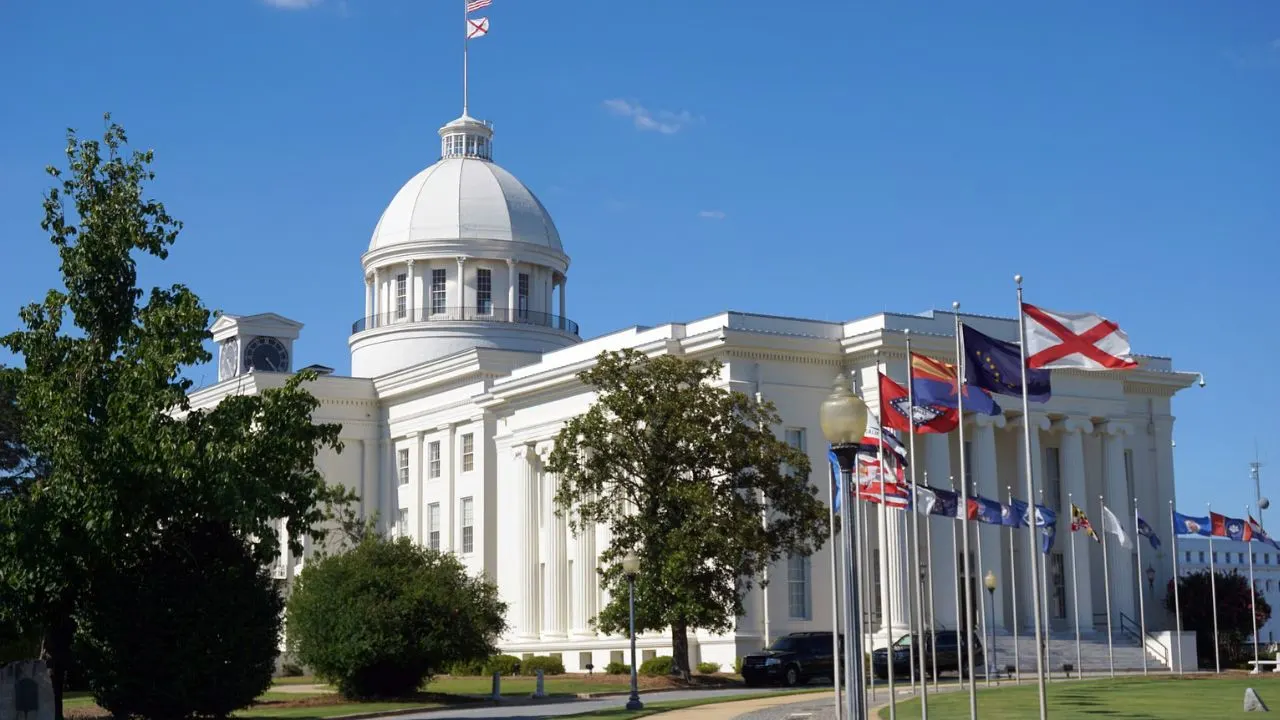
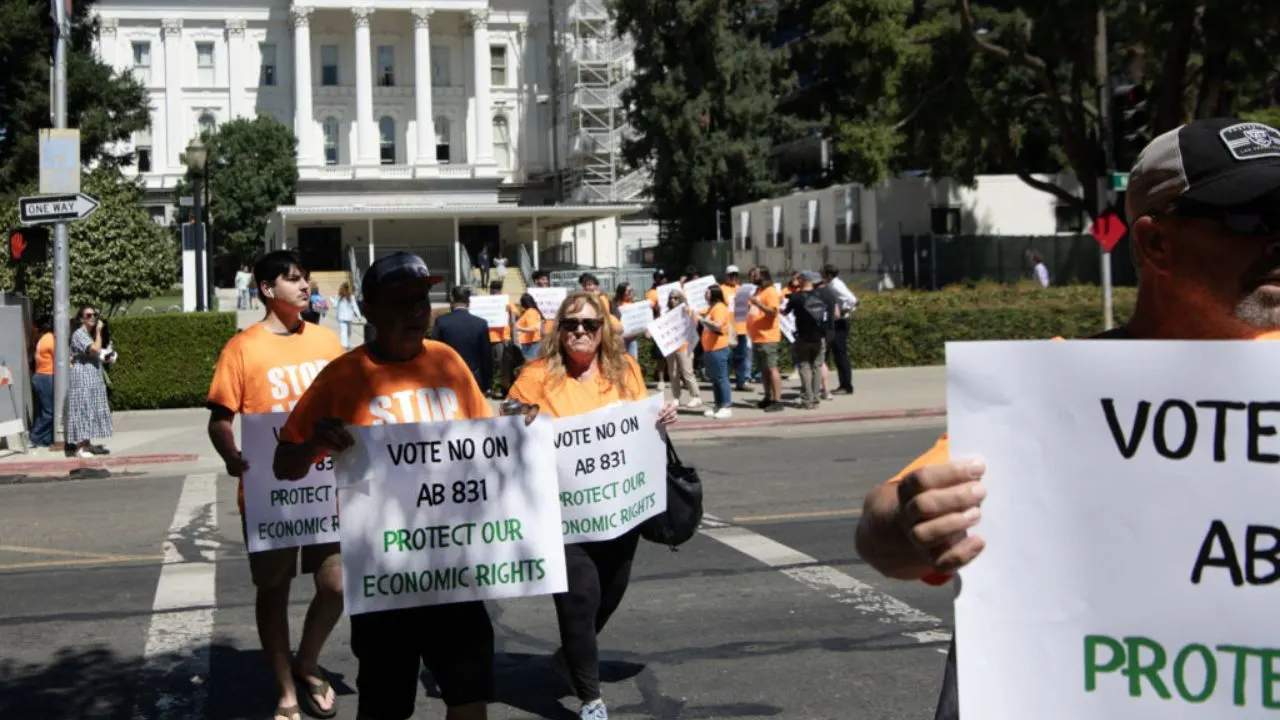
Lawmakers across the country now face mounting pressure to take a stand. In California, Assembly Bill 831 (AB 831), intended to ban sweepstakes casinos and criminalize entities supporting them, stands at a legislative crossroads after being moved to a fiscal “suspense file” due to its significant financial impact. If it advances, the bill would set a national precedent for regulatory crackdown and reshape the sweepstakes sector.
Other states have issued cease-and-desist orders or outright bans against operators, including Montana, Connecticut, Louisiana, Michigan, Delaware, and New York. Some, however, are considering regulated routes to harness tax revenue instead of imposing outright prohibition.
Legal Actions and Player Lawsuits
Sweepstakes casinos are also facing legal headaches on multiple fronts. Class action lawsuits have multiplied, with players charging that the platforms constitute illegal gambling and seeking to recover losses. Settlements have reached into the millions, though so far, there is no landmark court ruling categorically declaring sweepstakes casinos illegal under federal law.
Here are some of the major, high-profile cases that illustrate the scope and nature of legal action facing this industry:
- VGW Group (Chumba Casino, LuckyLand Slots, Global Poker)
Multiple class actions in California and nationwide allege these platforms operate illegal gambling businesses through their dual-currency sweepstakes model. These cases often target not just the operators but also their payment and verification partners, illustrating growing legal pressure on both vendors and influencers. - WOW Vegas (Illinois Class Action)
Plaintiffs claim WOW Vegas is “gambling in disguise,” arguing its Sweeps Coins are essentially real-money wagers. The lawsuit highlights legal challenges to dual-currency models and ramps up industry scrutiny, adding to the 49 active class actions now targeting social casinos. - High5Games (Connecticut Settlement)
Connecticut’s Department of Consumer Protection reached a settlement with High5Games after an investigation into unlicensed online casino operations. The provider ceased Connecticut operations and paid $1.5 million in restitution and penalties, showing the risk and cost of regulatory action. - Alabama Sweepstake Casino Wave
An unprecedented 13 lawsuits have been launched targeting sweepstakes platforms under Alabama’s recovery statute, designed to help users win back gambling losses. These actions center on whether dual-currency sweepstakes sites constitute illegal gambling under state law.
These legal actions underscore the mounting legal risks for sweepstakes casino operators in 2025 and the growing pressure from private plaintiffs, state attorneys general, and city officials to crack down on this fast-growing industry.
Future Scenarios: Ban, Regulate, or Reform?
The road ahead remains contested. Industry panelists, state officials, and gaming associations are divided:
- Ban: Vocal critics argue that only an outright ban will protect consumers and shore up state gambling policy.
- Regulate and Tax: Others point out that effective regulation could channel sweepstakes dollars into public coffers and create consumer safety nets.
- Reform Loopholes: Sweeping legal reform could close the “no purchase necessary” loophole or redefine what constitutes gambling in the digital age.
The sweepstakes casino economy is a high-stakes experiment at the juncture of technology, regulation, and human behavior. As states race to forge new regulatory approaches—balancing consumer protection, economic opportunity, and political pressure—the fate of billions in untaxed and untracked wagers hangs in the balance. For winners and losers, the coming months may mark the most consequential chapter yet in America’s gaming story.
About the author
UMG Nation
UMG Nation is a feed dedicated to bringing you the latest and most pressing stories and thoughts on the ever-changing US iGaming scene. Stay up-top-the-minute with UMG.