
Wisconsin Legalizes Online Sports Betting Under Tribal Framework
Wisconsin has officially taken a significant step in expanding its gambling market, with Governor Tony Evers signing a bill into law that legalizes online sports betting in the state.
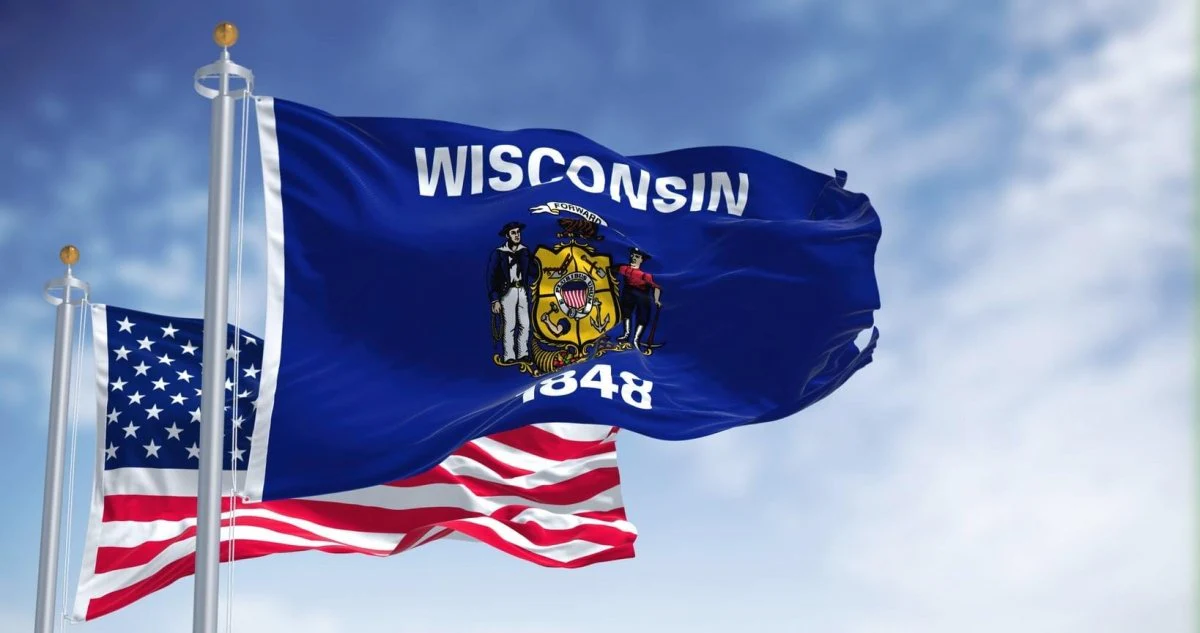
The legislation marks a major shift for Wisconsin, where sports wagering had previously been limited to in-person betting at tribal casinos. The new law allows for statewide mobile betting, but only under a framework that preserves tribal control over gambling operations.
Tribal Model At The Center Of The Framework
A defining feature of the new law is its reliance on the state’s federally recognized Native American tribes.
Under the legislation, online sports betting will operate through a “hub-and-spoke” model, requiring that all bets be processed via servers located on tribal land. This structure aligns with existing gaming compacts and ensures that tribes retain primary control over wagering activity in the state.
Wisconsin law has long restricted legal gambling to tribal jurisdictions, and the new framework maintains that approach while extending betting access to online platforms.
Implementation Still Pending
Although the bill has now been signed into law, online sports betting will not launch immediately.
The state must first renegotiate its gaming agreements with all 11 federally recognized tribes. These agreements will determine how the system is implemented, including partnerships with operators and the technical infrastructure required to support mobile wagering.
As a result, it may take several months, or longer, before residents are able to place bets online legally.
Industry And Political Response
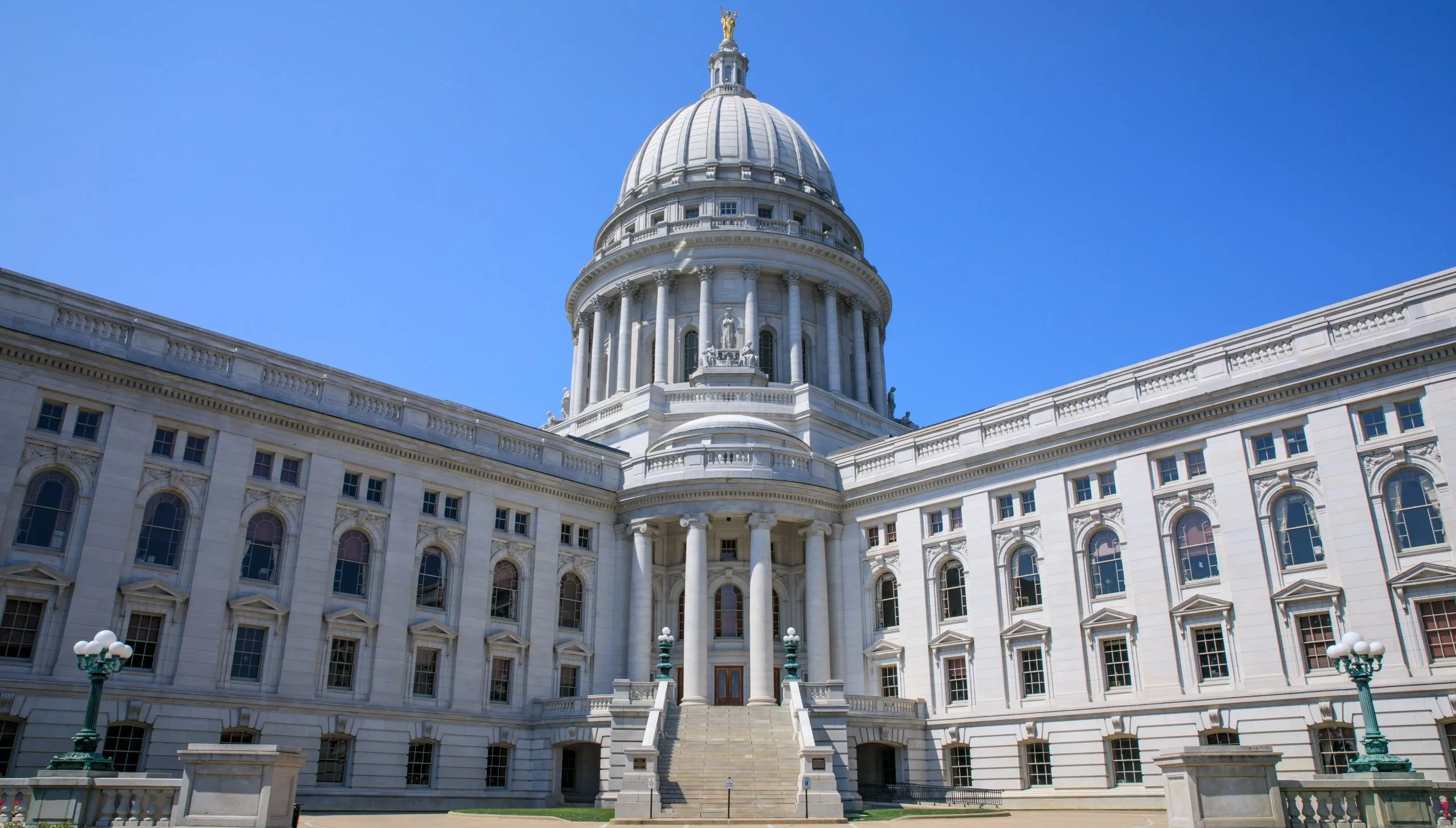
The legislation received bipartisan support during its passage but also faced notable opposition.
Supporters argue that the law will help bring existing offshore betting activity into a regulated environment while generating revenue for tribal communities and the state.
However, major commercial sportsbook operators have expressed concerns about the structure of the market. In particular, the requirement for revenue sharing with tribes—reported to be as high as 60%—has raised questions about the economic viability for external operators entering the state.
A Step Forward In A Growing US Market
With the signing of the bill, Wisconsin joins the growing number of US states that have legalized online sports betting.
At the national level, regulated sports betting continues to expand rapidly, with increasing adoption across both retail and mobile platforms.
For Wisconsin, the new law represents a balance between modernization and maintaining existing regulatory structures, particularly the role of tribal gaming.
Looking Ahead
The focus now shifts to implementation.
Negotiations between the state and tribal operators will determine how quickly the market becomes operational and what form it ultimately takes. Key considerations include partnerships with sportsbook providers, regulatory oversight, and responsible gaming measures.
While the timeline remains uncertain, the legislation sets the foundation for Wisconsin’s entry into the online sports betting market, positioning the state within an increasingly competitive and evolving US iGaming landscape.
Stay tuned to UMG Gaming for updates on gambling law, sportsbook news, and how courts are shaping the future of betting in the U.S.
About the author
CJ
Christian Joseph “CJ” Zambale is a journalist and content specialist who covers the iGaming and esports industries.