
Caesars Expands Tribal Partnerships Ahead of Maine Online Casino Launch
Caesars Entertainment is expanding its partnerships with three Wabanaki Nations ahead of Maine's online casino launch, bringing three iGaming platforms to the state once regulatory approval is complete.
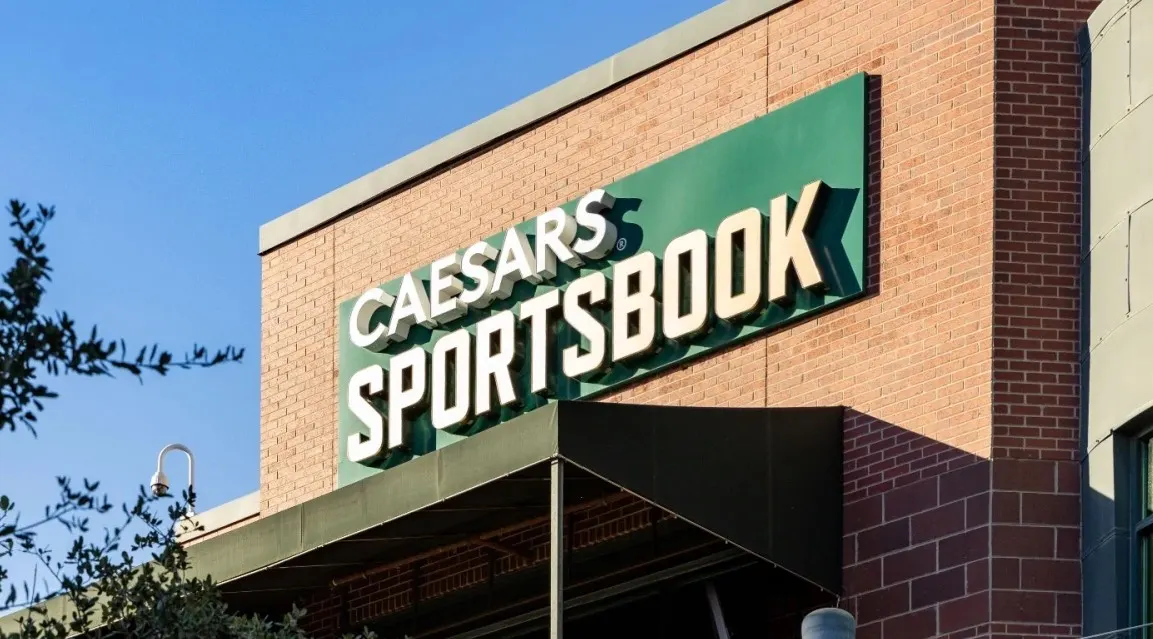
Caesars Entertainment is strengthening its presence in Maine ahead of the state's online casino launch, announcing an expanded partnership with three of the Wabanaki Nations to bring its iGaming platforms to residents once the market officially opens.
The company revealed Wednesday that it has extended its existing agreements with the Houlton Band of Maliseet Indians, the Mi'kmaq Nation, and the Penobscot Nation. The partnerships build on the relationships established in 2023, when Caesars teamed up with the tribes to launch legal online sports betting in the state.
The announcement comes as Maine prepares to become the eighth U.S. state to legalize online casino gaming, with legislation set to take effect on July 15.
Caesars Preparing Three Online Casino Brands
Once Maine regulators approve online casino operations, Caesars plans to launch three of its digital gaming platforms in the state: Caesars Palace Online Casino, Caesars Sportsbook & Casino, and Horseshoe Online Casino.
Players will have access to a full suite of online casino games, including slots, table games, and live dealer offerings. Because Maine law requires commercial gaming operators to partner with federally recognized tribes, Caesars will continue operating through its agreements with the three Wabanaki Nations.
Eric Hession, President of Caesars Digital, said the expansion builds on the success of the company's existing sports betting partnership while reinforcing its long-term commitment to tribal gaming in Maine.
"Together, we've built a strong and responsible sports wagering experience, and this next phase reinforces our commitment to our tribal partners and to delivering a differentiated, localized digital gaming experience for Mainers," Hession said.
Wabanaki Nations Continue Exclusive Gaming Partnership
The agreement further strengthens the relationship between Caesars and the Wabanaki Nations, which have played a central role in Maine's modern gaming expansion.
Chief Kirk Francis of the Penobscot Nation said the partnership has demonstrated that Caesars understands the importance of tribal sovereignty and long-term collaboration.
"Our experience working together on sports wagering has demonstrated the value of aligning with a partner that respects our sovereignty, understands our communities, and is committed to long-term success for the Wabanaki Nations," Francis said.
Beyond launching online casino products, Caesars said the expansion will support local employment opportunities while providing additional financial benefits to tribal communities through revenue generated by iGaming operations.
Read Also: CFTC Proposal Sparks Tribal Sovereignty Concerns in Prediction Market Debate
Maine Joins the Growing U.S. iGaming Market
Maine officially authorized online casino gaming earlier this year after Governor Janet Mills allowed LD 1164 to become law without her signature. The legislation grants the state's federally recognized tribes exclusive rights to partner with online casino operators, mirroring the framework already in place for online sports betting.
While the law takes effect on July 15, regulators have not yet announced an official launch date for the market. Caesars is expected to be among the first operators ready to go live once the Maine Gambling Control Unit completes the licensing and regulatory process.
The company already operates online casinos in New Jersey, Pennsylvania, Michigan, and West Virginia, giving it significant experience as Maine prepares to launch its own regulated market.
Maine's entry into online casino gaming represents another milestone in the continued expansion of legal iGaming across the United States. For Caesars, it also reinforces a strategy centered on long-term partnerships with tribal nations, a model that has become increasingly important as more states explore tribal-led online gaming frameworks.
Stay tuned to UMG Gaming for more updates on tribal gaming, prediction markets, and the evolving regulatory landscape across North America.
About the author
CJ
Christian Joseph “CJ” Zambale is a journalist and content specialist who covers the iGaming and esports industries.