
CFTC Sues New Mexico in Escalating Prediction Market Dispute
The CFTC has sued New Mexico over its approach to prediction markets, adding another chapter to the growing regulatory battle surrounding sports event contracts in the U.S.
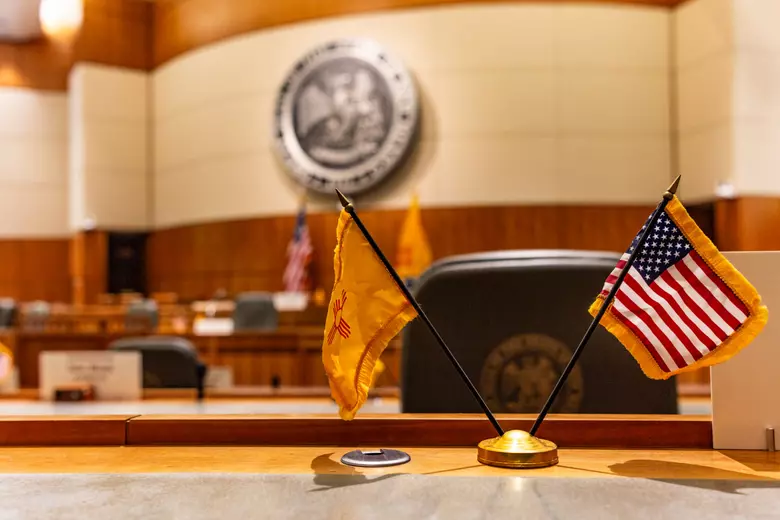
The Commodity Futures Trading Commission (CFTC) has filed a lawsuit against the State of New Mexico, becoming the latest chapter in the growing battle over who has the authority to regulate prediction markets in the United States.
The dispute centers on sports-related event contracts, a product category that has expanded rapidly over the past year through platforms such as Kalshi and Polymarket. While state regulators have increasingly argued that these contracts closely resemble sports betting and should be subject to state gaming laws, the CFTC maintains that they are federally regulated derivatives products that fall under its jurisdiction.
The lawsuit adds New Mexico to a growing list of states that have challenged prediction market operators as regulators, tribal gaming groups, and traditional sportsbook stakeholders continue debating how the emerging sector should be governed.
Federal and State Regulators Remain at Odds
At the heart of the case is a disagreement over regulatory authority. New Mexico has raised concerns about sports event contracts that allow users to trade on the outcomes of sporting events through federally regulated exchanges. State officials argue that these products function similarly to sports wagering and should therefore be regulated under state gaming frameworks.
The CFTC has consistently rejected that interpretation. The agency argues that prediction markets operate under federal commodities law and should remain subject to federal oversight rather than individual state regulations. Earlier this year, the commission launched a formal rulemaking process aimed at creating a clearer regulatory framework for event contracts as the industry continues to expand into sports, entertainment, and other categories.
By taking legal action against New Mexico, the CFTC is reinforcing its position that states cannot impose their own regulatory standards on products that already fall under federal jurisdiction.
Industry Concerns Continue to Grow
The rise of prediction markets has generated concern across multiple corners of the gaming industry. State regulators have questioned whether event contract operators are effectively offering sports betting products without obtaining state licenses or contributing gaming tax revenue. Tribal gaming organizations have also voiced concerns, arguing that prediction markets could create competition outside of existing tribal gaming agreements and compact structures.
Those concerns have become more pronounced as prediction market operators continue expanding their reach. Kalshi has secured partnerships across the sports industry, while Polymarket has added agreements with major leagues and data providers. Traditional gaming companies have also entered the space, with FanDuel, DraftKings, and Fanatics all launching prediction market products or related offerings over the past year.
The rapid growth of the sector has created an unusual regulatory environment where federally regulated event contracts now compete alongside state-regulated sportsbooks, creating friction between the two systems.
Read Also: Prediction Market Lawsuits Gain Momentum Across Four States
Another Important Case for Prediction Markets
The New Mexico lawsuit arrives during one of the most significant periods in the industry's short history. Just days before the filing, the CFTC proposed new rules that would establish a more structured framework for prediction markets and event contracts. The proposal is designed to provide greater clarity around contracts tied to sports, politics, economics, and other real-world events while reaffirming the commission's role as the primary federal regulator for the sector.
At the same time, state regulators have shown no signs of backing away from their own challenges. Several jurisdictions continue to question whether sports-related event contracts should be treated differently from traditional sports betting products, while gaming stakeholders are closely monitoring how courts interpret the issue.
The outcome of the New Mexico case could carry implications far beyond the state's borders. As prediction markets continue expanding across the country, the legal battle between state authorities and federal regulators is increasingly becoming one of the defining issues facing the industry.
Stay tuned to UMG Gaming for more updates on prediction markets, regulatory developments, and the ongoing battle over event-based trading in the United States.
About the author
CJ
Christian Joseph “CJ” Zambale is a journalist and content specialist who covers the iGaming and esports industries.