
Dina Titus Seeks Inspector General Review of CFTC's Prediction Market Strategy
Dina Titus has requested an Inspector General review of the CFTC's prediction market strategy, criticizing the agency's lawsuits against states seeking to regulate sports event contracts.
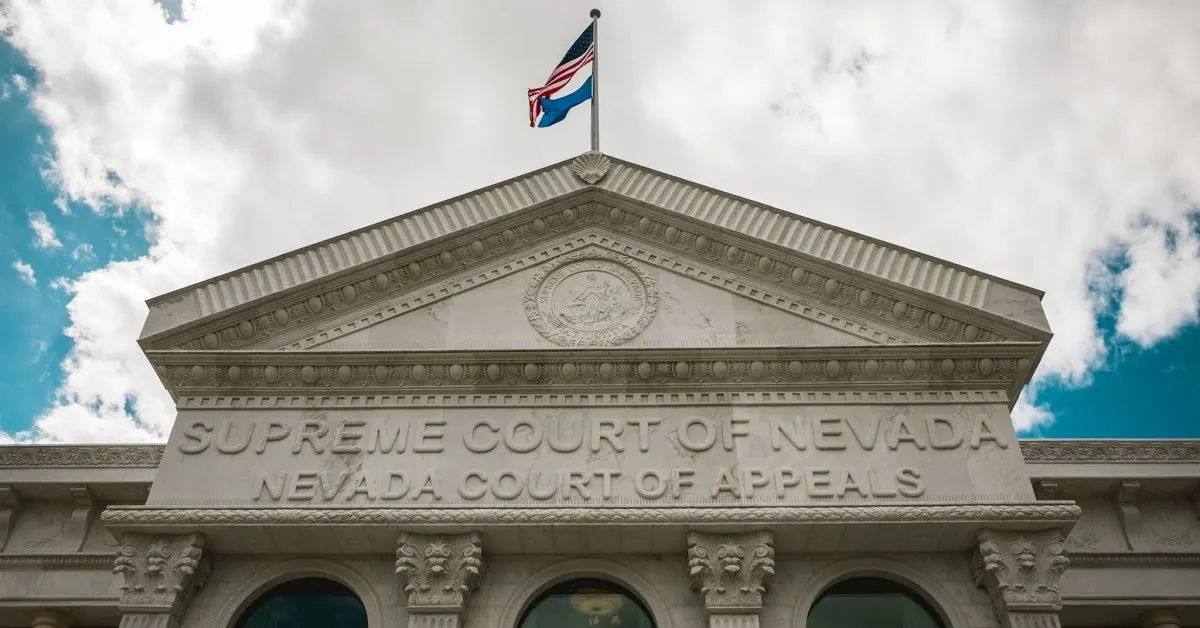
Nevada Representative Dina Titus has called for a formal investigation into the Commodity Futures Trading Commission's handling of prediction markets, escalating her criticism of the agency's recent efforts to defend sports event contracts in federal court.
In a letter to Inspector General Christopher Skinner, Titus requested a review of the CFTC's litigation strategy and regulatory approach toward prediction markets, particularly those tied to sporting events. The Nevada Democrat, who serves as Co-Chair of the Congressional Gaming Caucus, argued that the agency's recent actions raise concerns about statutory authority, resource allocation, and the balance between federal, state, and tribal oversight.
The request marks the latest step in Titus' ongoing campaign against sports event contracts, an issue she has repeatedly raised with the CFTC throughout the past year.
Titus Questions CFTC's Multi-State Legal Campaign
At the center of Titus' criticism is the CFTC's decision to file lawsuits against several states that have attempted to restrict or regulate prediction market operators.
According to the letter, the agency has pursued legal action against Arizona, Connecticut, Illinois, Minnesota, New York, Wisconsin, and most recently Rhode Island. Titus described the litigation campaign as a significant expansion of the CFTC's interpretation of its federal authority, particularly as states continue arguing that sports event contracts closely resemble traditional sports betting products.
Titus also pointed to previous comments from CFTC Chairman Michael Selig during his confirmation process, when he indicated the agency would look to the courts for guidance on legal questions surrounding sports event contracts. She argued that the commission's recent litigation strategy represents a departure from that position.
The congresswoman further questioned whether the agency should be dedicating significant legal resources to these cases given the CFTC's relatively limited staffing and enforcement capacity.
Prediction Markets Remain a Flashpoint for States and Tribes
Titus has been one of the most outspoken congressional critics of sports event contracts since prediction markets began expanding into sports-related offerings.
Earlier this year, she urged the CFTC to take a tougher stance against operators such as Kalshi and argued that sports event contracts create a pathway for companies to offer sports wagering products outside traditional state gaming frameworks. She has also raised concerns about potential conflicts with tribal gaming agreements and state regulatory systems.
Those concerns have been echoed by several state gaming regulators, tribal gaming organizations, and industry groups. The American Gaming Association, multiple tribal organizations, state gaming agencies, and sports leagues have all submitted feedback to the CFTC as the agency continues evaluating the future of prediction markets and event contracts.
CFTC Continues Defending Federal Authority
The CFTC has maintained that prediction markets fall within its jurisdiction under federal commodities law and has spent much of 2026 defending that position in court.
Since February, the agency has reaffirmed its authority over prediction markets through court filings, guidance documents, and lawsuits challenging state enforcement actions. The commission has also launched a public review process examining the role of prediction markets and event contracts in regulated markets.
Titus' request does not carry legal force, and there is no indication that the Inspector General has opened a formal investigation. The letter nevertheless adds another layer to the growing dispute surrounding prediction markets as state governments, tribal gaming groups, regulators, and federal agencies continue battling over who should oversee sports event contracts in the United States.
Stay tuned to UMG Gaming for more updates on prediction markets, federal regulation, and the evolving legal landscape surrounding event-based contracts.
About the author
CJ
Christian Joseph “CJ” Zambale is a journalist and content specialist who covers the iGaming and esports industries.