
Tips on How to Improve Your Esports Predictions
Making better esports predictions takes more than following rankings. Learn how game knowledge, meta changes, team analysis, and research can improve your decision-making.

Making accurate esports predictions requires far more than checking rankings or backing popular teams. While casual viewers often focus on recent results, experienced analysts tend to look deeper into factors such as game knowledge, team dynamics, tournament conditions, and meta developments. Esports is one of the fastest-moving competitive environments in the world, and understanding how these factors interact can significantly improve the quality of your predictions.
Different games require different types of analysis, but accurate predictions almost always come from the same place: preparation. The more context you have around a match, the easier it becomes to separate genuine advantages from surface-level statistics.
Develop a Strong Understanding of the Game
The foundation of any esports prediction is understanding the game itself. Before evaluating teams and players, it is important to understand how matches are won, what objectives determine success, and which strategies currently shape professional play.
Each esport operates differently. In Counter-Strike 2, economy management, map control, and tactical execution play major roles. In Dota 2 and League of Legends, drafting, objective control, and hero or champion matchups can have a significant impact before a match even begins. Valorant introduces another layer through agent compositions and map-specific strategies.
A strong understanding of these fundamentals helps identify strengths and weaknesses that may not appear in standings or match records. It also provides valuable context when evaluating roster changes, patch updates, and strategic trends.
Follow the Competitive Scene Closely
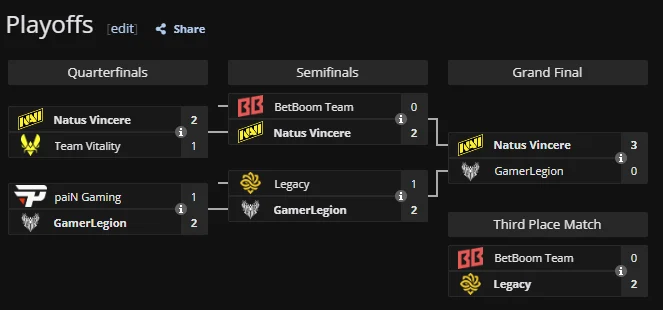
Successful predictions rely on current information. Professional esports changes rapidly, and a team's form can shift considerably over a short period of time.
Roster moves, coaching changes, substitute players, travel schedules, and tournament fatigue can all influence performance. A team entering an event after several weeks of preparation may be in a much stronger position than a team arriving after a demanding tournament schedule.
Following official announcements, player interviews, team communications, and tournament coverage can provide insights that statistics alone cannot capture. The most informed predictions are often based on a combination of numerical analysis and understanding the circumstances surrounding a team.
Pay Attention to Meta Changes
The competitive meta is one of the most important factors in modern esports. Balance patches regularly introduce changes that affect strategies, character selections, and overall gameplay.
Some teams adapt quickly when the meta changes, while others require time to adjust. This difference can create significant performance gaps, particularly during the early stages of a new patch.
When analyzing an upcoming match, it is useful to consider whether the current meta benefits one team more than another. Teams with flexible players and diverse strategic approaches often navigate these transitions more effectively than teams that rely heavily on a limited number of strategies.
Read Also: The Rise of Esports Betting
Look Beyond Basic Statistics
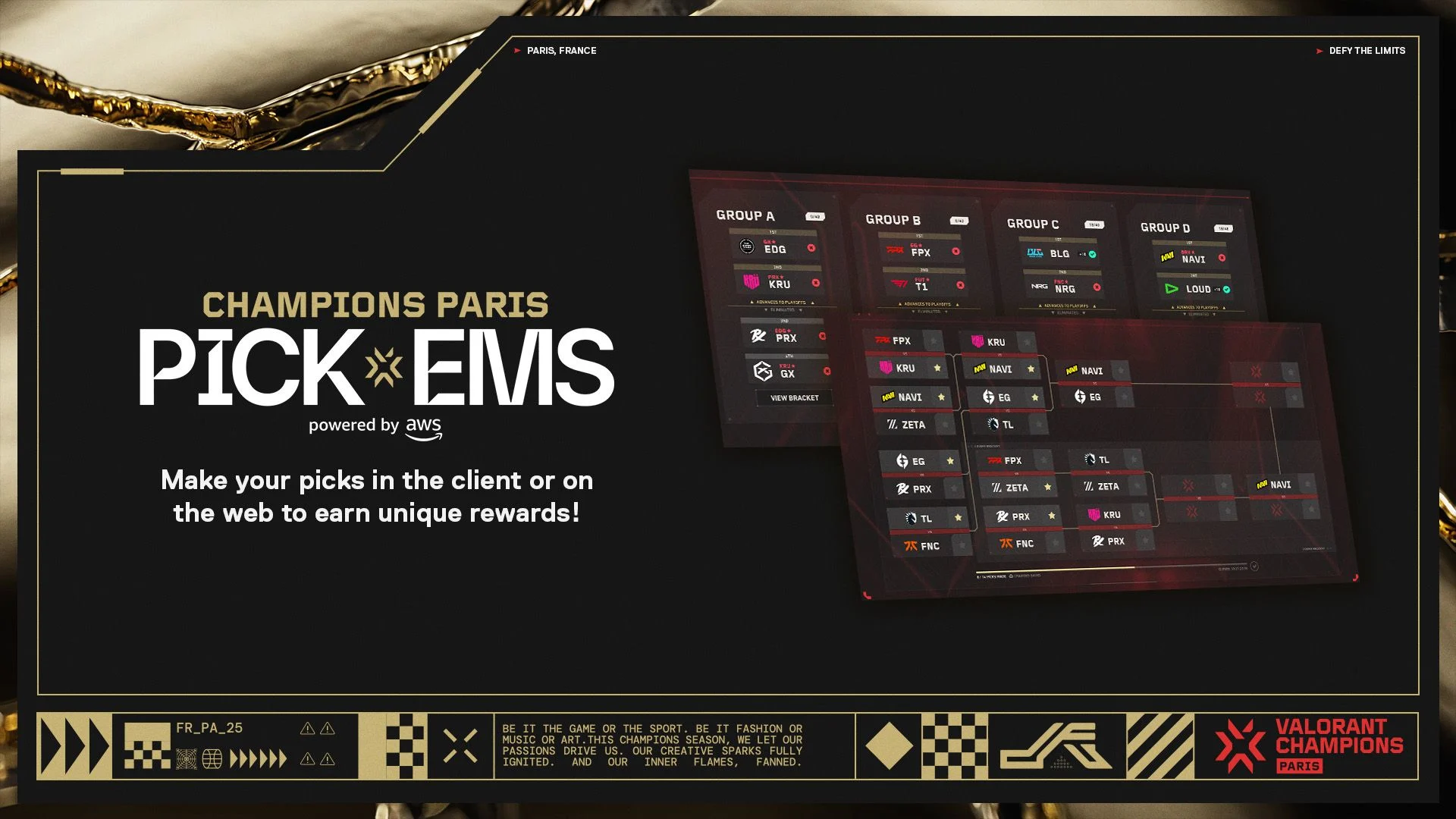
Match records provide useful information, but they rarely tell the complete story. Two teams may have similar win rates while facing very different levels of competition.
A deeper evaluation should include factors such as opponent quality, map performance, head-to-head history, tournament importance, and recent form. Context often reveals trends that are not immediately visible through basic statistics.
For example, a team with a modest record against elite opponents may be stronger than a team with an impressive record built primarily against lower-tier competition. Understanding the quality of a team's results is often more valuable than focusing solely on the results themselves.
Build a Consistent Research Process
Improving esports predictions is ultimately a long-term process. Even the most knowledgeable analysts are regularly proven wrong because esports remains highly competitive and unpredictable.
Rather than focusing on individual wins or losses, it is more productive to develop a consistent approach to research and analysis. Tracking predictions, reviewing mistakes, studying successful teams, and staying informed about the competitive scene can gradually improve decision-making over time.
The goal is not to predict every match correctly. Instead, the objective should be to make informed decisions based on available information while maintaining a disciplined and repeatable process. Over the long run, preparation and consistency tend to produce better results than intuition alone.
For more esports coverage, stay tuned to UMG Gaming.
About the author
CJ
Christian Joseph “CJ” Zambale is a journalist and content specialist who covers the iGaming and esports industries.