
Saudi Uncertainty Around LIV Golf Raises Questions for Esports Investment
SAUDI UNCERTAINTY AROUND LIV GOLF HAS SPARKED CONCERNS ACROSS ESPORTS. COULD MAJOR EVENTS LIKE THE ESPORTS WORLD CUP BE AFFECTED, OR IS THE ECOSYSTEM STILL STABLE?

CJ Zambale
Content Writer · April 17, 2026
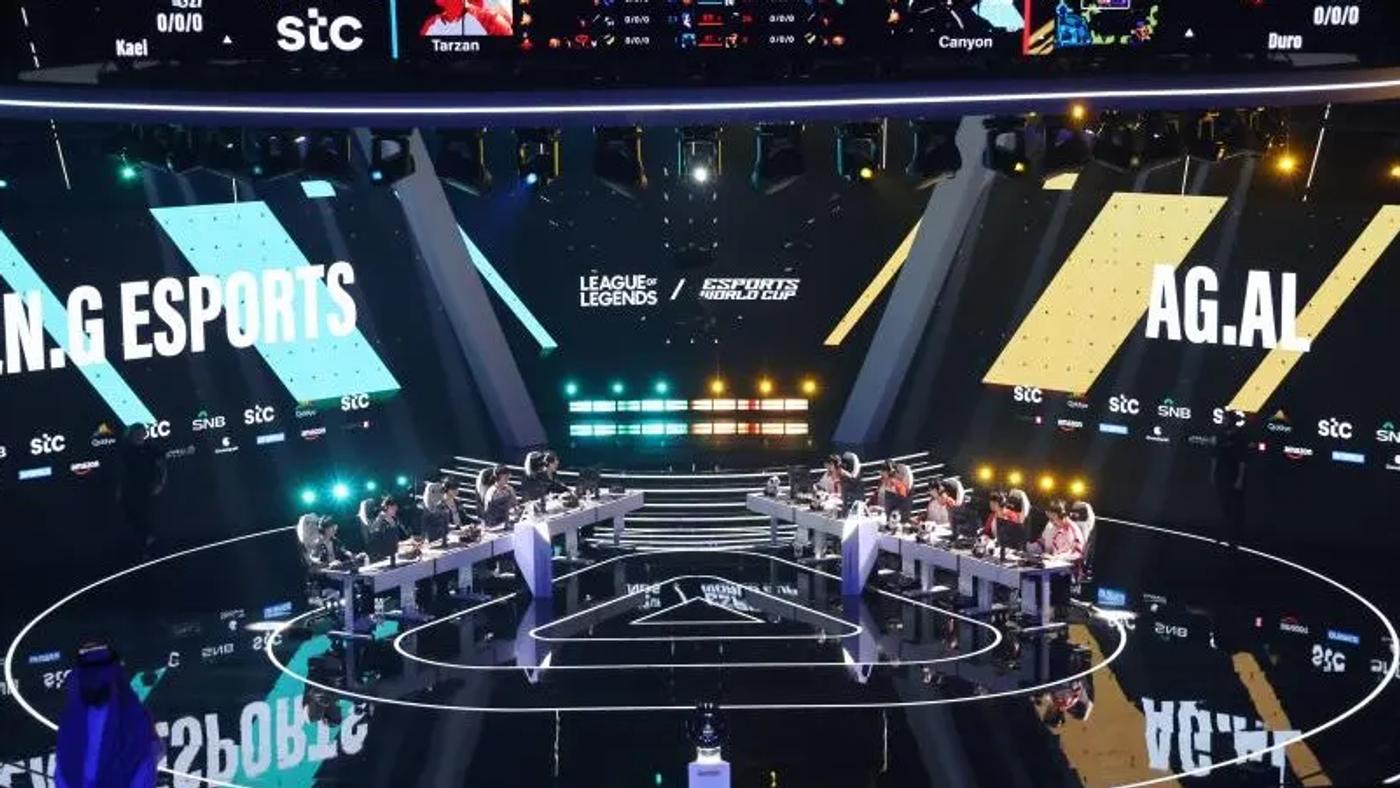
Saudi Arabia’s reported reassessment of its involvement in LIV Golf has sparked wider discussion about the stability of large-scale investments tied to the country’s Public Investment Fund (PIF).
While LIV Golf is a traditional sports property, the situation has drawn attention across esports due to the same funding source supporting major initiatives in gaming. The concern is not about esports directly, but about what shifting priorities could mean if similar adjustments happen elsewhere.
LIV Golf has been one of the most high-profile and expensive projects backed by Saudi funding. Any sign of reduced commitment, especially amid ongoing geopolitical tensions in the Middle East, raises questions about how capital is being allocated.
For esports, the relevance is clear. The same ecosystem has seen significant investment through projects like the Esports World Cup and other large-scale initiatives.
If funding strategies change at the top level, it is reasonable to ask whether esports could eventually be affected.
Are EWC and ENC at Risk?
At this stage, there is no indication that events like the Esports World Cup or the Esports Nations Cup are in danger.
In fact, current signals point in the opposite direction. The Esports World Cup continues to expand its club partner program, offering financial support and incentives to organizations across multiple titles. This suggests a long-term commitment rather than a short-term experiment.
Compared to LIV Golf, esports remains a developing sector with growth potential. It also aligns more closely with digital entertainment and younger audiences, which are key targets for long-term investment strategies.
The LIV Golf situation appears to reflect a reassessment rather than a full exit from global sports or entertainment.
Investment strategies evolve, especially during periods of economic or geopolitical pressure. This does not necessarily translate to a pullback across all sectors.
Esports, in particular, has shown signs of moving toward more sustainable models. Organizations are focusing on profitability and efficiency, as seen with teams beginning to report stronger financial performance after years of heavy spending.
What It Means Going Forward
The key takeaway is not that esports is in immediate trouble, but that reliance on large external funding always carries some level of risk.
For now, Saudi-backed esports initiatives remain active and continue to grow. The Esports World Cup and similar programs are still moving forward, with increasing participation from global organizations.
The LIV Golf situation serves as a reminder that investment landscapes can shift. For esports, the focus remains on building a stable ecosystem that can continue to grow even as external conditions change.
For more esports and industry news, stay tuned for UMG Gaming.