
US Gaming Groups Intensify Push Against Prediction Markets
US gaming organizations and tribal groups are increasing pressure on regulators and lawmakers as the battle over prediction markets continues to expand across the country.
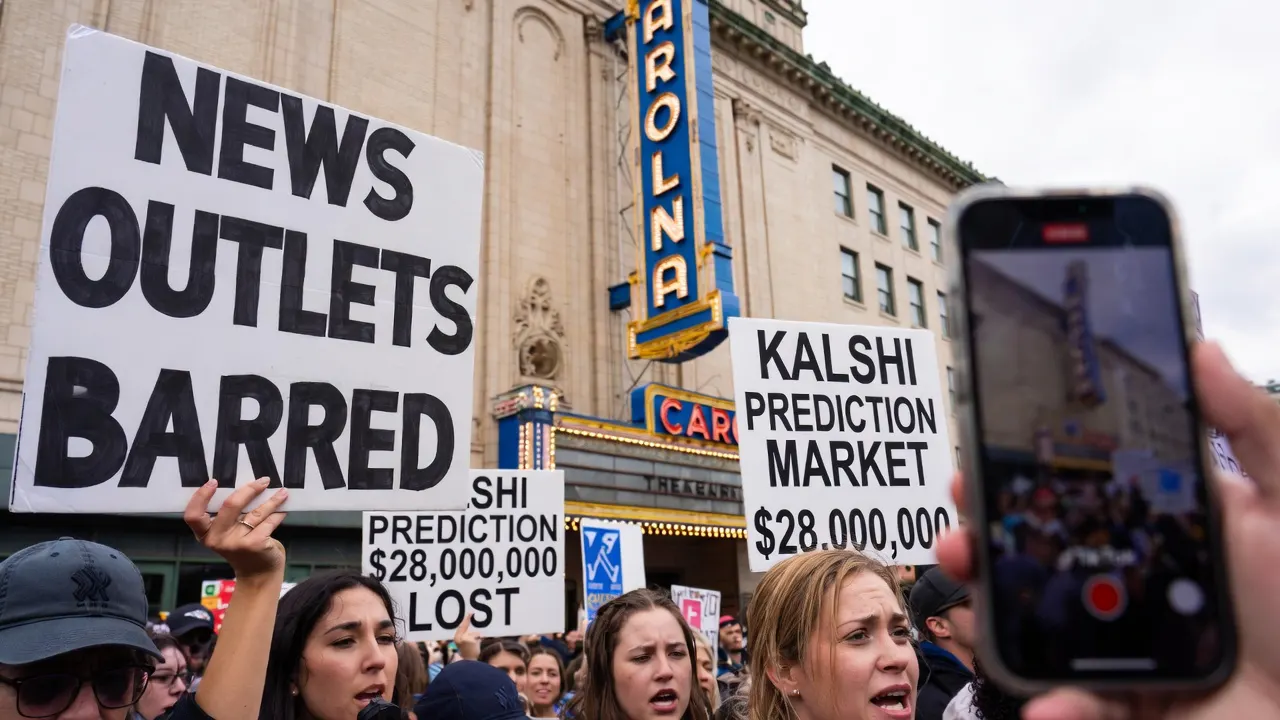
According to a recent report from GamblingNews, several industry stakeholders are becoming more vocal against prediction market operators such as Kalshi and Polymarket, arguing that many sports-related event contracts function similarly to traditional sportsbooks while avoiding state gaming laws and licensing requirements.
The dispute has quickly become one of the most closely watched regulatory issues in the American gambling industry during 2026, especially as prediction market platforms continue gaining visibility around sports and political events.
Prediction market companies maintain that their products fall under the authority of the US Commodity Futures Trading Commission (CFTC), which regulates financial derivatives and event contracts at the federal level. However, state gaming regulators and tribal operators continue to argue that these products closely resemble sports betting markets and should therefore be regulated under state gambling frameworks instead.
State Regulators And Tribal Groups Continue To Push Back
The conflict between federal oversight and state gambling regulation has intensified over the past several months.
Multiple states have attempted to challenge or restrict prediction market activity, particularly surrounding sports contracts. In response, the CFTC has filed lawsuits against several states, including Illinois, Arizona, Connecticut, and New York, aiming to block enforcement efforts against federally approved event contract platforms.
Tribal gaming organizations have also entered the debate more aggressively. Many tribal groups believe prediction markets could weaken long-standing tribal gaming compacts and create an uneven competitive environment, especially in states where tribes maintain exclusivity agreements connected to sports betting or online gambling operations.
The growing legal battle reflects many of the same concerns explored in Prediction Market Litigation Escalates As CFTC Clashes With State Regulators, which examined how the federal regulator’s aggressive legal strategy has fueled resistance from state gaming authorities and industry groups.
Several gambling industry advocates additionally argue that prediction markets may create regulatory loopholes involving responsible gambling protections, age verification standards, and self-exclusion systems. Critics claim that sports-focused contracts can mirror traditional betting behavior while operating under different regulatory rules.
Prediction Markets Continue To Expand Despite Regulatory Pressure
Despite mounting opposition, prediction market platforms continue expanding their presence in the US market.
Sports contracts remain one of the fastest-growing segments for operators like Kalshi, particularly as mainstream audiences become more familiar with event-based financial products tied to esports, traditional sports, politics, and entertainment.
The controversy is also beginning to influence broader state gambling discussions. Similar tensions surrounding gaming exclusivity and online wagering expansion were highlighted in Nebraska’s Online Betting Push Could Reshape Tribal Gaming Debate, where lawmakers and tribal stakeholders debated how digital betting frameworks could affect existing tribal gaming structures.
For now, the core dispute remains unresolved. Federal regulators continue supporting the view that prediction markets fall under CFTC oversight, while state gaming authorities and tribal groups insist that many of these products operate too similarly to sportsbooks to remain outside state gambling regulation.
As legal challenges continue to grow, the outcome could play a major role in shaping the future relationship between prediction markets, online betting, and tribal gaming across the United States.
Stay tuned to UMG Gaming for more updates on regulation, market movement, and the evolving iGaming landscape.
About the author
CJ
Christian Joseph “CJ” Zambale is a journalist and content specialist who covers the iGaming and esports industries.