
What Does an Esports Coach Actually Do?
Coaches have become a key part of modern esports, helping teams prepare for opponents, improve communication, adapt to new metas, and stay competitive throughout a season.
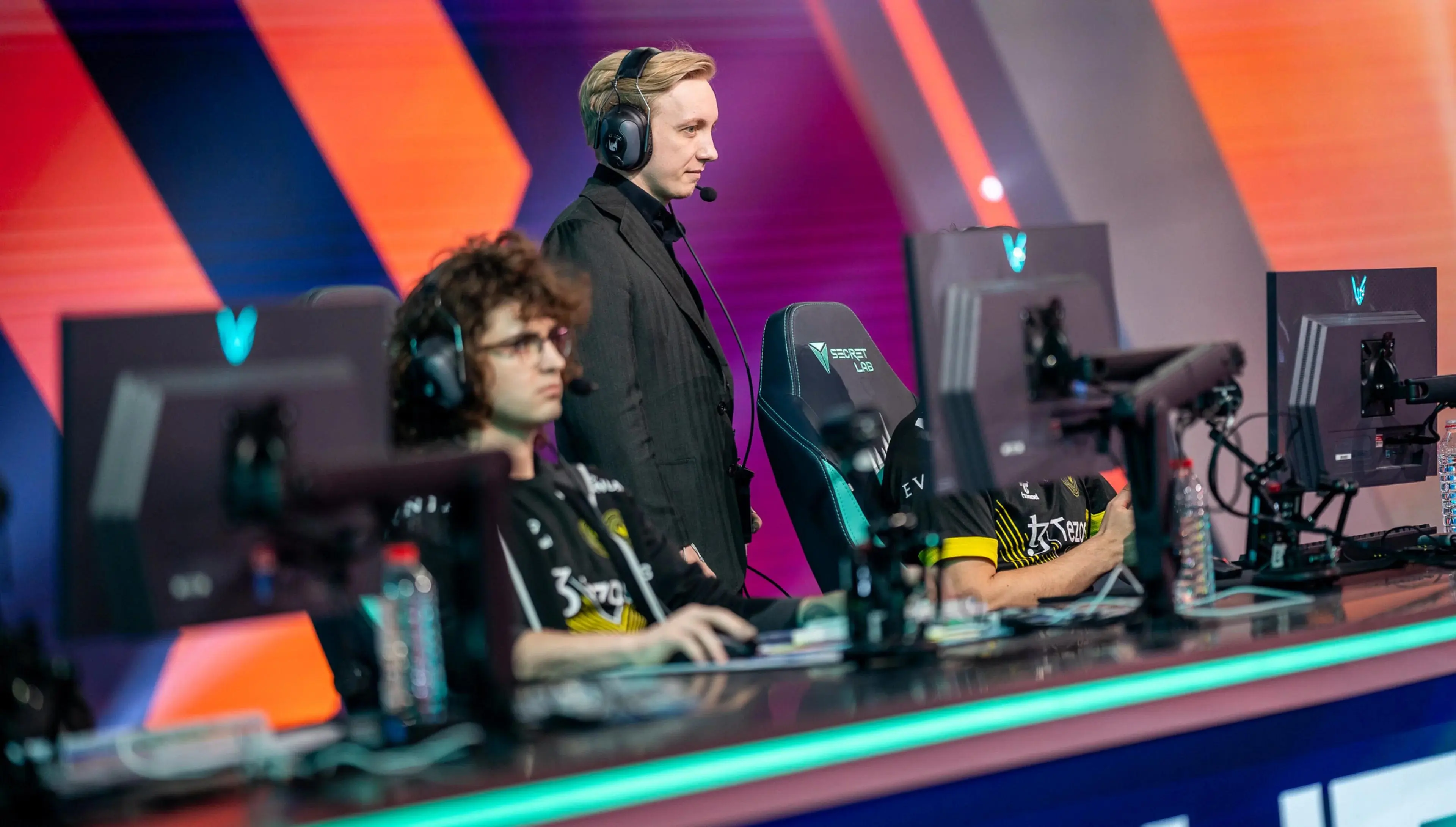
Just like traditional sports, esports teams rely on coaches to help players perform at their highest level. While professional players receive most of the attention during tournaments, a significant amount of work happens behind the scenes before a match even begins. From reviewing opponents and preparing strategies to managing practice schedules and helping players improve, coaches play an important role in modern competitive gaming.
In the early years of esports, coaching was relatively uncommon. Teams often relied on veteran players or captains to handle strategy discussions and preparation. As games became more complex and prize pools continued to grow, organizations began investing in dedicated coaching staffs. Today, nearly every successful team in major esports titles employs at least one coach, with some organizations maintaining entire support staffs that include analysts, performance coaches, and strategic advisors.
Despite their importance, many fans still wonder what esports coaches actually do and how their responsibilities differ from those of captains or in-game leaders. The answer varies depending on the game, but the core objective remains the same: helping players and teams perform at their best.
More Than Strategy: The Real Job of an Esports Coach
One of the biggest misconceptions about esports coaches is that their role revolves solely around strategy. While tactical preparation remains a major part of the job, coaching responsibilities extend far beyond discussing drafts, map picks, or team compositions.
A typical esports coach spends a significant portion of their time reviewing gameplay before tournaments or matches. This includes analyzing their own team's matches, studying scrimmages, identifying recurring mistakes, and examining how opponents approach certain situations. Coaches often spend hours watching match footage to uncover tendencies that players may not notice during competition.
Practice management is another major responsibility. Professional teams spend countless hours training throughout the season, and coaches help ensure that those sessions remain productive. Rather than simply playing game after game, teams often work on specific objectives such as improving communication, refining strategies, or preparing for a particular opponent. Coaches help structure those sessions and keep players focused on long-term improvement.
Player development also falls under the coaching umbrella. Even elite players have weaknesses, whether it involves decision-making, communication, mechanics, or game knowledge. Coaches help identify those areas and work with players to improve them over time. In many cases, a coach serves as both a teacher and a mentor, providing guidance throughout a player's career.
As esports has become more professionalized, coaches have also taken on leadership responsibilities. They help resolve conflicts, manage expectations, and maintain team culture. A roster filled with talented players can still struggle if communication breaks down or internal issues go unresolved. Coaches often play a key role in keeping teams aligned and focused on their goals.
Coach vs Captain vs In-Game Leader
Many esports fans use the terms coach, captain, and in-game leader interchangeably, but they represent different responsibilities.
A coach primarily works outside of the game itself. Their focus is preparation, analysis, player development, and long-term improvement. They help build the framework that allows players to succeed but are usually not responsible for making decisions during live gameplay.
An in-game leader, commonly referred to as an IGL, is responsible for directing the team during matches. This role is especially important in games like Counter-Strike 2, where players must constantly react to changing situations. The IGL calls strategies, adjusts plans mid-round, and coordinates teammates in real time.
Captains can serve a similar role depending on the game. In some esports titles, the captain acts as the team's primary spokesperson and leader, while in others the captain may also function as the in-game leader. The exact responsibilities often vary from team to team.
The distinction is important because coaches and in-game leaders solve different problems. Coaches focus on preparation before a match begins, while IGLs and captains focus on execution once competition is underway. Successful teams typically benefit from strong leadership in both areas rather than relying on a single individual to handle everything.
Read Also: How to Improve Your Esports Predictions
How Coaching Differs Across Esports
While coaching fundamentals remain similar across esports, the day-to-day responsibilities can vary significantly depending on the game.
Dota 2
In Dota 2, coaches are heavily involved in drafting and pre-match preparation. The drafting phase often determines how a game will unfold, making hero pools, matchups, and meta knowledge critical areas of focus. Coaches spend considerable time studying opponents, preparing draft scenarios, and helping players understand their strategic options before matches begin.
Because coaches are generally limited in how much they can communicate during official games, much of their influence comes before the match starts. Successful Dota 2 coaches often excel at preparation, analysis, and helping teams adapt to new patches.
Counter-Strike 2
Counter-Strike 2 coaches focus heavily on opponent scouting, demo reviews, and tactical preparation. They analyze map tendencies, identify weaknesses in opposing teams, and help players prepare for specific matchups.
Modern Counter-Strike has become increasingly strategic, with teams investing heavily in analysts and coaching staffs. While the in-game leader remains responsible for making calls during matches, coaches play a major role in ensuring players enter those matches with a clear game plan.
League of Legends
League of Legends coaches often oversee a broader range of responsibilities than coaches in many other esports titles. Beyond drafting and strategy, they frequently manage practice schedules, coordinate player development, and help shape long-term team identity.
League teams compete across lengthy seasons that require consistent performance over several months. Coaches help players navigate that process while adapting to frequent balance changes and evolving competitive metas.
Mobile Legends: Bang Bang
Coaching in Mobile Legends shares many similarities with both Dota 2 and League of Legends. Draft preparation remains extremely important, particularly in major tournaments where hero bans and picks can significantly influence match outcomes.
MLBB coaches must also adapt quickly to patch changes and shifting metas. International tournaments often feature teams from different regions with unique playstyles, making scouting and preparation essential parts of the role.
Fighting Games
Fighting games present a unique coaching environment because competition is largely individual rather than team-based. Coaches in titles such as Street Fighter, Tekken, and Guilty Gear often function as analysts, training partners, and strategic advisors.
Rather than managing an entire roster, they help players prepare for specific opponents, review match footage, and refine matchup knowledge. At the highest level, small adjustments in decision-making can have a major impact on results, making outside feedback particularly valuable.
Read Also: How Patch Notes Actually Impact Esports Betting
The Difference Between Good Teams and Championship Teams
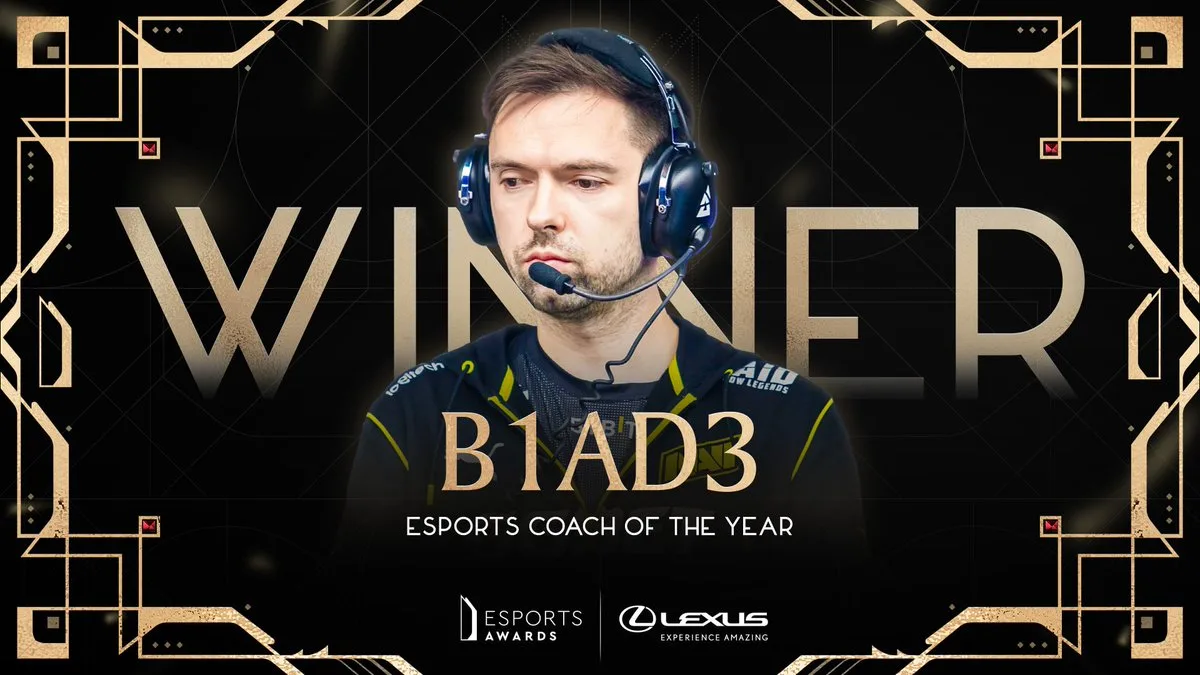
At the professional level, talent is rarely the deciding factor. Every player competing on a major stage possesses exceptional mechanical skill, extensive game knowledge, and years of competitive experience. What separates teams is often their ability to prepare, adapt, and perform consistently under pressure.
This is where coaching can make a significant difference. A strong coach helps transform a group of talented players into a cohesive unit with clear objectives and a structured approach to competition. They ensure practice remains productive, identify weaknesses before opponents exploit them, and help players remain focused throughout long seasons.
Many of the most successful organizations in esports history have invested heavily in coaching and support staff. While fans naturally remember iconic plays and championship-winning moments, those achievements are often built on months of preparation behind the scenes. Coaches rarely appear in highlight reels, but their influence can be found throughout every stage of a team's development.
As esports continues to grow, coaching has become one of the most important investments organizations can make. Great players may win individual games, but great coaching often provides the foundation that allows teams to compete for championships year after year.
For more esports coverage, stay tuned to UMG Gaming.
About the author
CJ
Christian Joseph “CJ” Zambale is a journalist and content specialist who covers the iGaming and esports industries.