
Ho-Chunk Nation Seeks to Revive Advertising Claims in Ongoing Kalshi Lawsuit
The Ho-Chunk Nation is seeking to revive advertising-related claims against Kalshi while continuing its effort to stop sports event contracts from being offered on tribal land.
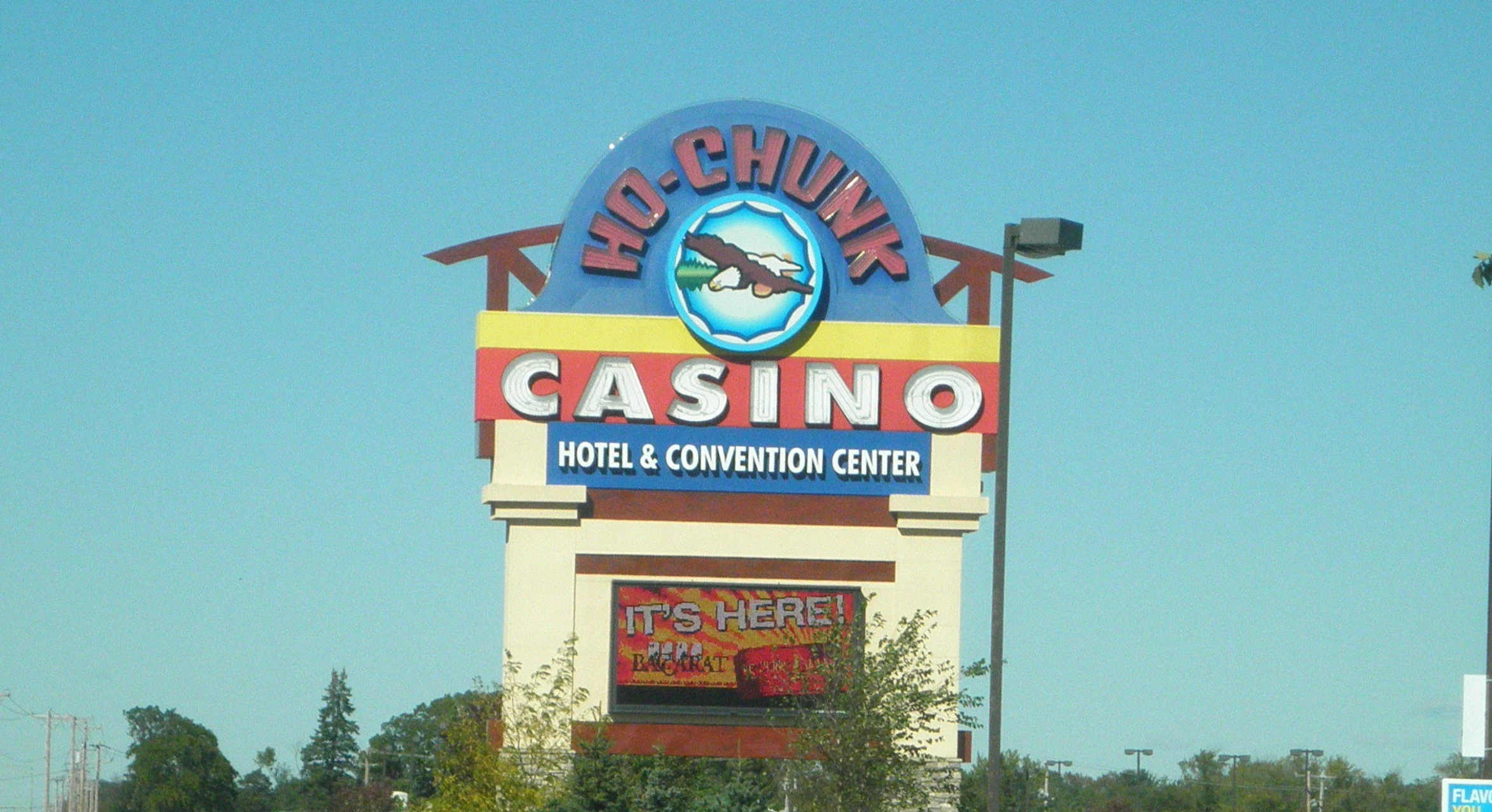
The Ho-Chunk Nation has filed an amended complaint in its ongoing lawsuit against prediction market operator Kalshi, attempting to revive claims that were previously dismissed by a federal court while continuing its effort to prevent the company from offering sports event contracts on tribal land.
The filing comes after U.S. District Judge William M. Conley ruled in May that the tribe could proceed with portions of its lawsuit under the Indian Gaming Regulatory Act (IGRA), while dismissing claims brought under the Lanham Act and the Racketeer Influenced and Corrupt Organizations Act (RICO). Rather than abandoning those arguments entirely, the Ho-Chunk Nation is now attempting to reframe some of its concerns as IGRA violations, particularly those related to Kalshi's marketing practices.
At the center of the dispute is Kalshi's position that its federally regulated event contracts are not gambling products, a claim the company has used to justify offering markets in jurisdictions where traditional sports betting remains restricted. Tribal governments, however, have increasingly argued that sports event contracts function similarly to sports wagering and should therefore be subject to the same legal and regulatory frameworks.
Tribe Targets Kalshi's "50 States Legal" Advertising
One of the most closely watched aspects of the amended complaint involves Kalshi's marketing language.
The Ho-Chunk Nation has repeatedly challenged Kalshi's use of the phrase "50 States Legal," arguing that the statement is misleading because it fails to account for tribal lands where gaming activities may require separate approval under federal law. The tribe previously attempted to pursue that argument under the Lanham Act, which governs false advertising and unfair competition.
Judge Conley rejected that claim earlier this year, finding that Kalshi's position did not amount to knowingly deceptive advertising. In his ruling, the judge noted that Kalshi has consistently maintained that its products are regulated by the Commodity Futures Trading Commission (CFTC) and that no definitive court ruling has yet invalidated that position. Because of that, the court found insufficient grounds to conclude that the company's advertising was intentionally false or misleading.
The Ho-Chunk Nation is now approaching the issue from a different angle. In its amended complaint, the tribe argues that the advertising itself violates IGRA because tribal gaming rights are clearly defined under federal law. According to the filing, Kalshi's claims regarding nationwide legality fail to account for the legal framework governing Class III gaming activities on tribal lands.
"Tribes Aren't States" Argument Sparks Further Disagreement
The amended filing also addresses another point of contention that emerged during the litigation.
According to the Ho-Chunk Nation, Kalshi argued that its "50 States Legal" messaging does not apply to tribal lands because federally recognized tribes are not states. The tribe does not dispute that distinction but argues that it misses the broader issue. In its filing, the Ho-Chunk Nation states that tribal lands exist within the boundaries of numerous states and that Congress specifically recognized that relationship through IGRA.
The tribe further argues that state gambling laws can, under certain circumstances, be enforced on tribal lands through federal statutes. As a result, Ho-Chunk attorneys contend that Kalshi cannot simply separate tribal lands from broader discussions surrounding gaming legality and regulatory authority.
The disagreement highlights one of the central legal questions facing prediction markets as they expand across the United States. While Kalshi continues to argue that event contracts fall under federal commodities regulation, tribal governments maintain that sports event contracts intersect with gaming laws that were specifically designed to protect tribal sovereignty and economic interests.
Read Also: Why Maine's New Tribal iGaming Law Is About More Than Online Casinos
Multiple Tribal Lawsuits Continue Across the Country
The Ho-Chunk Nation is not the only tribal government challenging Kalshi's operations.
In California, the Blue Lake Rancheria, Chicken Ranch Rancheria of Me-Wuk Indians, and Picayune Rancheria of Chukchansi Indians continue pursuing a separate lawsuit against the company. After a federal judge declined to issue an injunction preventing Kalshi from operating on tribal lands, the tribes appealed the decision to the Ninth Circuit Court of Appeals. The first appellate hearing is currently scheduled for July 10.
Meanwhile, New Mexico's Mescalero Apache Tribe filed its own lawsuit in May, arguing that Congress never intended for sports event contracts to be authorized under existing federal commodities laws. Kalshi is expected to file a motion to dismiss later this month, with the tribe set to respond in July.
Taken together, the cases illustrate the growing resistance prediction markets are facing from tribal gaming interests. While state regulators and commercial gaming operators have frequently challenged Kalshi's expansion, tribal governments are increasingly becoming a significant force in the broader legal battle over sports event contracts and how they should be regulated.
For now, the Ho-Chunk Nation's latest filing does not resolve the dispute, but it does ensure that the legal fight over tribal sovereignty, gaming rights, and prediction markets remains active as courts across the country continue weighing the industry's future.
About the author
CJ
Christian Joseph “CJ” Zambale is a journalist and content specialist who covers the iGaming and esports industries.