
CFTC Fines George Santos $35,000 Over Kalshi Prediction Market Trading
George Santos has been fined approximately $35,000 and banned from CFTC-regulated markets for three years after the regulator concluded he manipulated a Kalshi prediction market tied to the 2026 State of the Union.

CJ Zambale
Content Writer · August 2, 2026
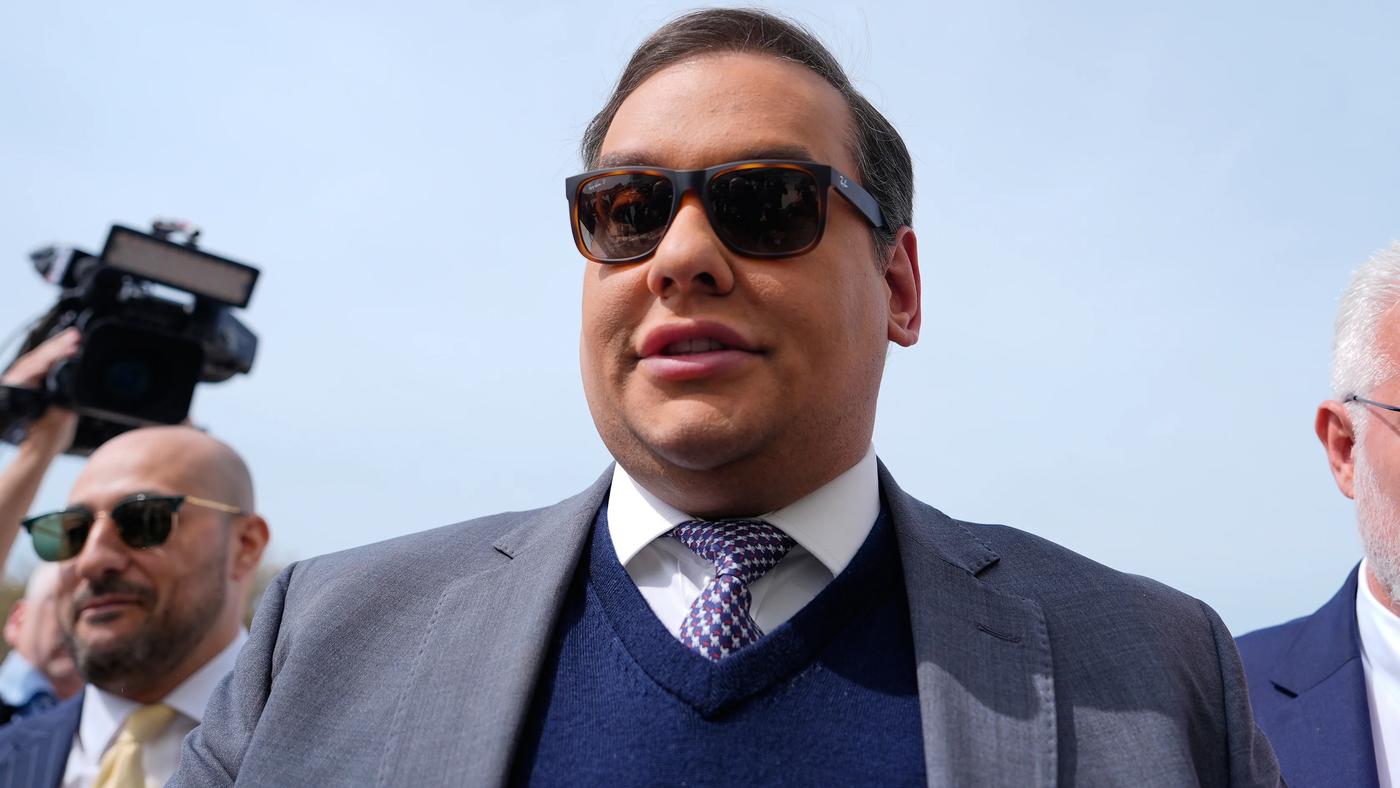
The Commodity Futures Trading Commission (CFTC) has fined former U.S. Representative George Santosapproximately $35,000 after concluding that he manipulated a Kalshi prediction market tied to his attendance at President Donald Trump's 2026 State of the Union address.
Under a settlement announced by the regulator, Santos agreed to disgorge $17,569.98 in trading profits, pay a $17,500 civil monetary penalty, and accept a three-year ban from trading on CFTC-regulated markets. Santos neither admitted nor denied the agency's findings as part of the settlement.
The case marks one of the highest-profile enforcement actions involving prediction markets, highlighting the CFTC's continued focus on market integrity as event-based trading grows in popularity.
CFTC Says Santos Traded on Information Only He Knew
According to the CFTC, Santos traded contracts on a Kalshi market asking whether he would attend the February 24 State of the Union address, an outcome that depended directly on his own actions.
The regulator said Santos accumulated a large position in contracts predicting he would attend while simultaneously making public posts on X discussing his travel plans. One post asked followers whether he should wear a "muted or serious suit" or a "bedazzled one" for the event. Following the post, the market price for "Yes" contracts reportedly climbed significantly, allowing Santos to exit part of his position at a profit.
The CFTC alleged that after his scheduled flight to Washington, D.C., was canceled, Santos did not disclose the change while continuing to make public statements suggesting he still planned to attend. According to the settlement order, he later booked a train before again posting about potential travel disruptions affecting lawmakers.
The regulator said those public statements influenced market sentiment while Santos continued trading contracts tied to the event.
Regulator Says Santos Switched Positions Before the Event
According to the settlement, Santos later began building a substantial "No" position despite continuing to publicly indicate that he intended to attend the State of the Union.
The CFTC said Santos' train reservation was eventually canceled due to severe weather, but he did not disclose the cancellation while continuing to post that he expected to be present at the event.
On the day of the State of the Union, Santos posted that he was instead watching President Trump's speech from an airport television. The announcement caused the market price for attendance contracts to fall sharply, allowing him to realize additional profits from his "No" position.
The regulator concluded that Santos earned $17,569.98 in unlawful trading profits through the scheme. Under the settlement, he agreed to return those profits, pay a $17,500 civil monetary penalty, and accept a three-year ban from trading on CFTC-regulated markets. Santos neither admitted nor denied the agency's findings as part of the agreement.
Santos Disputes Allegations but Agrees to Settle
Following the settlement, Santos criticized Kalshi in a series of social media posts, describing the platform as a gambling website and calling for prediction markets to be regulated under state gambling laws.
Through his attorney, Santos maintained that he never intended to manipulate the market. His statement said he genuinely planned to attend the State of the Union but was prevented from traveling after severe weather disrupted both his flight and train reservations.
The statement also said Santos chose to resolve the matter through settlement without admitting wrongdoing in order to bring the investigation to a close.
The CFTC, however, maintained that Santos failed to disclose material changes to his travel plans while continuing to make public statements that influenced market expectations.
The enforcement action comes as prediction markets continue expanding across the United States, with regulators placing increased scrutiny on market manipulation, insider information, and other conduct that could undermine confidence in event-based trading.
Stay tuned to UMG Gaming for more updates on prediction markets, trading platforms, and the latest developments shaping the future of event-based trading.