
CFTC Orders Kalshi to Keep Operating in New York as Prediction Market Fight Escalates
The CFTC has issued an emergency declaration allowing Kalshi to continue operating in New York despite state efforts to shut down its prediction markets.

CJ Zambale
Content Writer · August 13, 2026
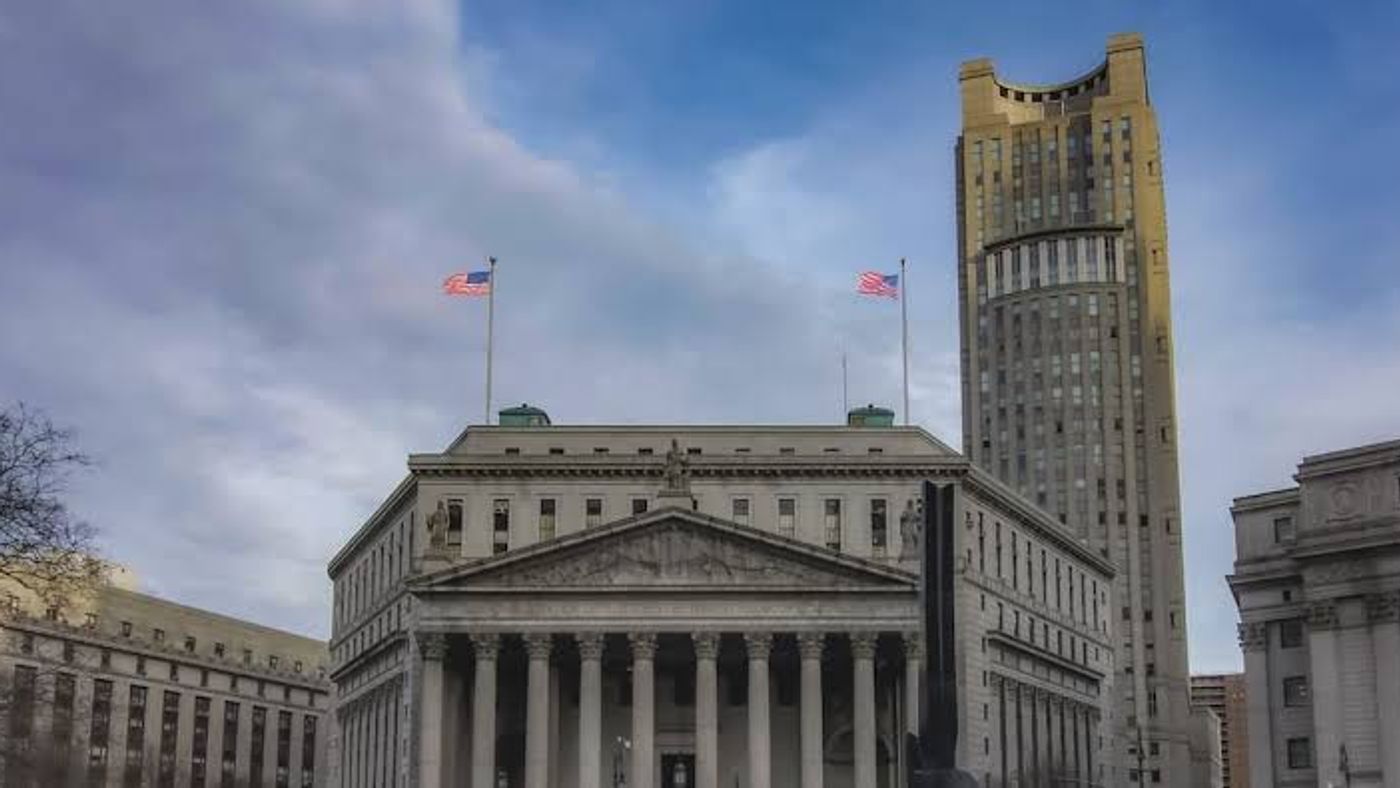
Kalshi just received a major boost in its fight with New York regulators, but the decision is likely to create another legal battle rather than settle the dispute.
The Commodity Futures Trading Commission (CFTC) issued an emergency declaration on August 11 directing Kalshi to continue operating in New York despite state efforts to stop the prediction market from offering its contracts. The decision came shortly after New York Attorney General Letitia James filed a $36 billion lawsuit against Kalshi, accusing the company of operating an illegal gambling business in the state.
Kalshi had already failed to convince federal judges to immediately stop New York from enforcing its gaming laws. With the state seeking a temporary restraining order that could potentially prevent Kalshi from offering event contracts altogether, the company turned to its federal regulator for help.
The CFTC's response gives Kalshi another layer of protection, but it also pushes the broader fight over prediction markets further into the federal-versus-state regulatory battle that has already spread across the US.
CFTC Uses Emergency Powers To Keep Kalshi Operating
CFTC Chairman Michael Selig invoked the commission's emergency authority, a power the regulator has reportedly used only once before since 1980.
The commission said New York's enforcement action and its request for a temporary restraining order created a market emergency because they could cause a "major market disturbance" that would prevent event contracts from accurately reflecting supply and demand.
In practical terms, the CFTC is telling Kalshi that it should continue operating while the legal dispute plays out.
That is significant because New York's proposed restrictions extend beyond sports contracts. The state's request seeks to stop Kalshi from operating a business offering contracts related to sports, culture, elections and "other events"within or from New York or to people in the state.
The CFTC argues that this language could effectively shut down Kalshi's entire exchange rather than simply prevent it from offering sports-related contracts.
Selig strongly criticized New York's approach, arguing that federally regulated derivatives exchanges should not be subjected to different gaming regulations in every state.
"Congress did not intend for derivatives exchanges to be regulated under a patchwork of state gaming laws," Selig said.
The CFTC's order also emphasized that Kalshi offers markets that have nothing to do with sports betting. The regulator pointed to contracts involving interest rates, economic conditions, cryptocurrency prices, droughts and geopolitical events as examples of markets that traders can use to speculate or hedge against potential financial and economic outcomes.
That distinction is important to the CFTC's argument. While sports prediction markets have become the center of the legal fight between Kalshi and state regulators, the agency is presenting Kalshi as a broader financial exchange rather than simply a sportsbook operating under a different name.
New York Could Take The Fight To Another Court
The CFTC's intervention does not mean the dispute is over.
New York can challenge the emergency declaration, potentially taking the matter to the Second Circuit or D.C. Circuit Court of Appeals. That could create yet another federal court battle over exactly where the CFTC's authority ends and state gambling regulation begins.
The underlying question remains the same: are Kalshi's event contracts financial derivatives that fall under federal jurisdiction, or are certain contracts effectively gambling products that states have the authority to regulate?
That question has already produced conflicting decisions across the country.
New York's case is particularly important because the state is seeking a broad restriction on Kalshi's activities rather than targeting only one category of contracts. The CFTC's emergency declaration appears to focus heavily on that broader request, arguing that preventing Kalshi from offering all event contracts could disrupt the wider derivatives market.
The commission's position also resembles reasoning from a recent Minnesota case. A federal judge there blocked enforcement of a Minnesota law that sought to ban prediction markets in the state, finding that the CFTC's exclusive jurisdiction over certain transactions did not necessarily extend to every event contract that a designated contract market could list.
That distinction could become increasingly important as courts work through the growing number of prediction market cases.
The Bigger Problem For Prediction Markets
For Kalshi, the immediate priority is keeping its exchange running in New York. For the wider prediction market industry, however, the case could help determine how these platforms operate across the country.
Prediction markets have expanded rapidly into areas traditionally controlled by state gambling regulators, particularly sports. Companies such as Kalshi argue that their exchanges are fundamentally different from sportsbooks because users trade contracts with one another rather than betting directly against a bookmaker.
State regulators and gaming officials have largely rejected that distinction when it comes to sports. Their argument is that the underlying activity is still a wager on an uncertain event, regardless of whether the product is called an event contract, derivative or prediction market.
That conflict is now playing out on multiple fronts, with courts, state regulators, Congress and the CFTC all becoming involved.
New York's lawsuit adds another major test, while the CFTC's emergency declaration shows that the federal regulator is willing to use its authority to protect the market infrastructure surrounding prediction exchanges.
It also creates an unusual situation in which a federal agency is effectively telling a company to continue operating while a state government is trying to stop it.
For Kalshi, that is a significant short-term victory. It does not, however, answer the central legal question over sports prediction markets or establish that every event contract is protected from state regulation.
Instead, the CFTC's decision gives Kalshi more time to fight that battle in court.
And with New York now able to challenge the emergency declaration, another major chapter in the prediction market regulatory war is already taking shape.
For the latest iGaming news, prediction market coverage, and industry updates, stay tuned with UMG Gaming.