
How New York's Kalshi Lawsuit Could Affect Esports Betting
New York's legal battle against Kalshi goes beyond traditional sports, with the outcome potentially influencing how esports prediction markets operate across the United States.

CJ Zambale
Content Writer · August 6, 2026
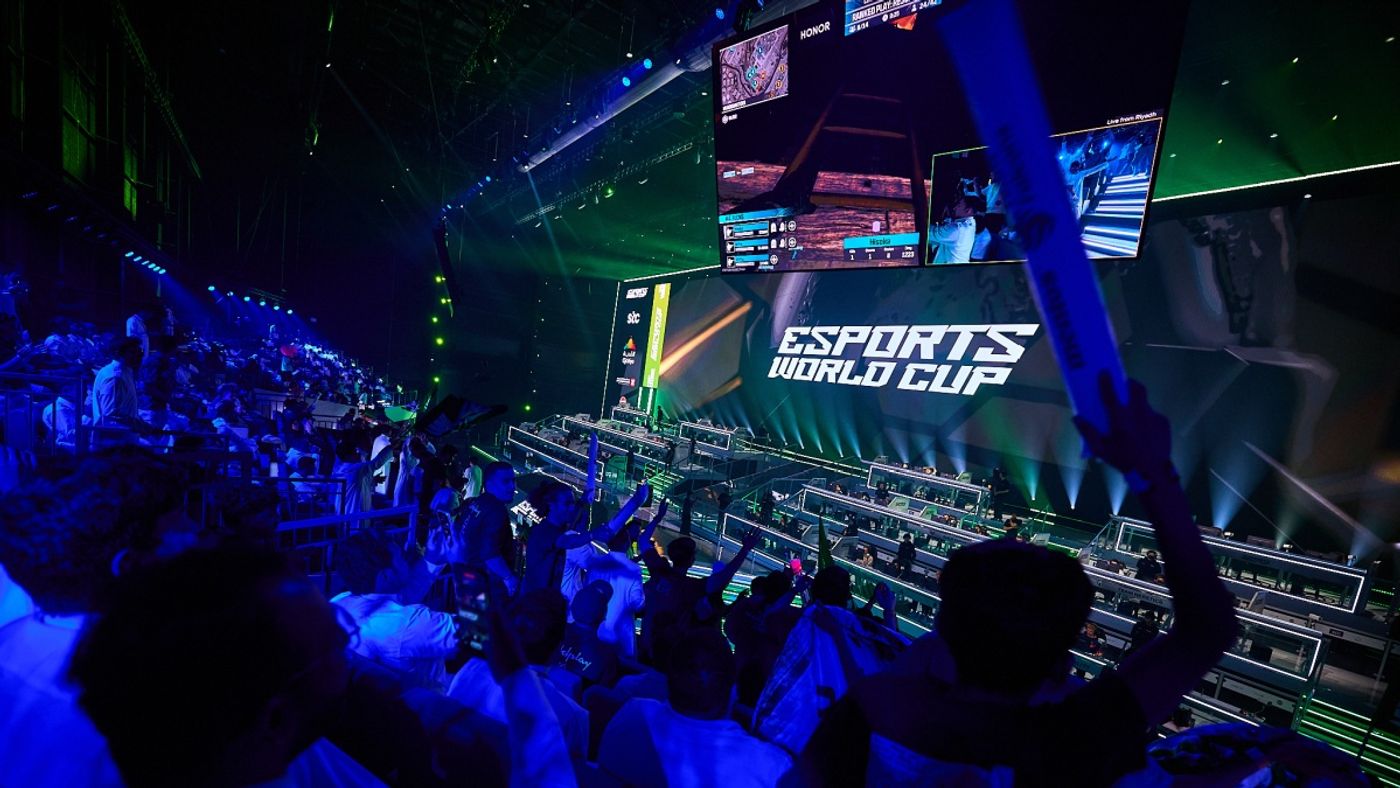
New York's lawsuit against Kalshi is centered on whether prediction markets should be regulated as financial products or gambling, but the outcome could have significant implications for esports betting.
As more prediction markets platforms expand into esports, offering contracts on tournaments and match outcomes alongside traditional sports and political events, the legal battle is becoming increasingly relevant to competitive gaming. If New York succeeds in forcing Kalshi to comply with state gambling laws, it could reshape how esports event contracts are offered across the United States.
The case is the latest chapter in the growing conflict between state gaming regulators and federally regulated prediction market operators, with esports emerging as one of the industries most directly affected.
Esports Fits Naturally Into Prediction Markets
Prediction markets have steadily expanded beyond politics and economics to include major esports competitions, allowing users to trade contracts on competitive gaming events.
Unlike traditional sportsbooks, which generally focus on match winners, handicaps, and totals, prediction markets can support contracts tied to a much wider range of in-game events. Depending on the platform, users could trade on outcomes such as whether a team secures first blood, wins the opening pistol round, or forces a deciding fifth map.
That flexibility makes prediction markets particularly well suited to esports, where matches generate large amounts of real-time data and momentum can shift rapidly throughout a series.
Competitive gaming audiences also tend to be comfortable with digital marketplaces and trading-style interfaces, making prediction markets feel more familiar than conventional sportsbooks for many users.
State Regulations Could Limit Nationwide Esports Trading
One of the biggest advantages prediction market operators have promoted is the ability to offer products nationwide under federal oversight rather than navigating separate gaming licenses in every state.
New York argues that Kalshi's event contracts are effectively gambling and should therefore be regulated under state gaming laws. The lawsuit also points to differences in age requirements, noting that prediction market platforms generally allow users aged 18 and older, while licensed mobile sportsbooks in New York require customers to be at least 21.
If courts ultimately side with state regulators, prediction market operators may need to comply with individual state licensing requirements or withdraw from jurisdictions that prohibit their products.
For esports, that could result in a fragmented market where access to event contracts varies depending on where users live, rather than a single nationwide platform.
The Decision Could Influence Esports Betting's Future
The lawsuit extends beyond Kalshi itself.
As prediction market platforms continue adding esports contracts and expanding into competitive gaming, future court decisions could influence how those products develop across the industry. Operators may face additional licensing requirements, while sportsbooks and prediction markets could continue offering different types of wagering experiences depending on how regulators define event contracts.
The broader legal dispute also comes as prediction markets receive growing attention from both financial regulators and state gaming authorities, making future court rulings increasingly important for companies operating in the space.
While New York's case remains ongoing, its outcome could shape not only the future of prediction markets, but also how esports fans access event-based trading products in the years ahead.
Stay tuned to UMG Gaming for more updates on prediction markets, trading platforms, and the latest developments shaping the future of event-based trading.