
NIGC Chair Vacancy Leaves Tribal Gaming Industry Without Key Federal Oversight
The National Indian Gaming Commission has operated without a permanent chair since January, leaving tribal casino operators facing regulatory delays as new challenges emerge across the gaming industry.

CJ Zambale
Content Writer · August 11, 2026
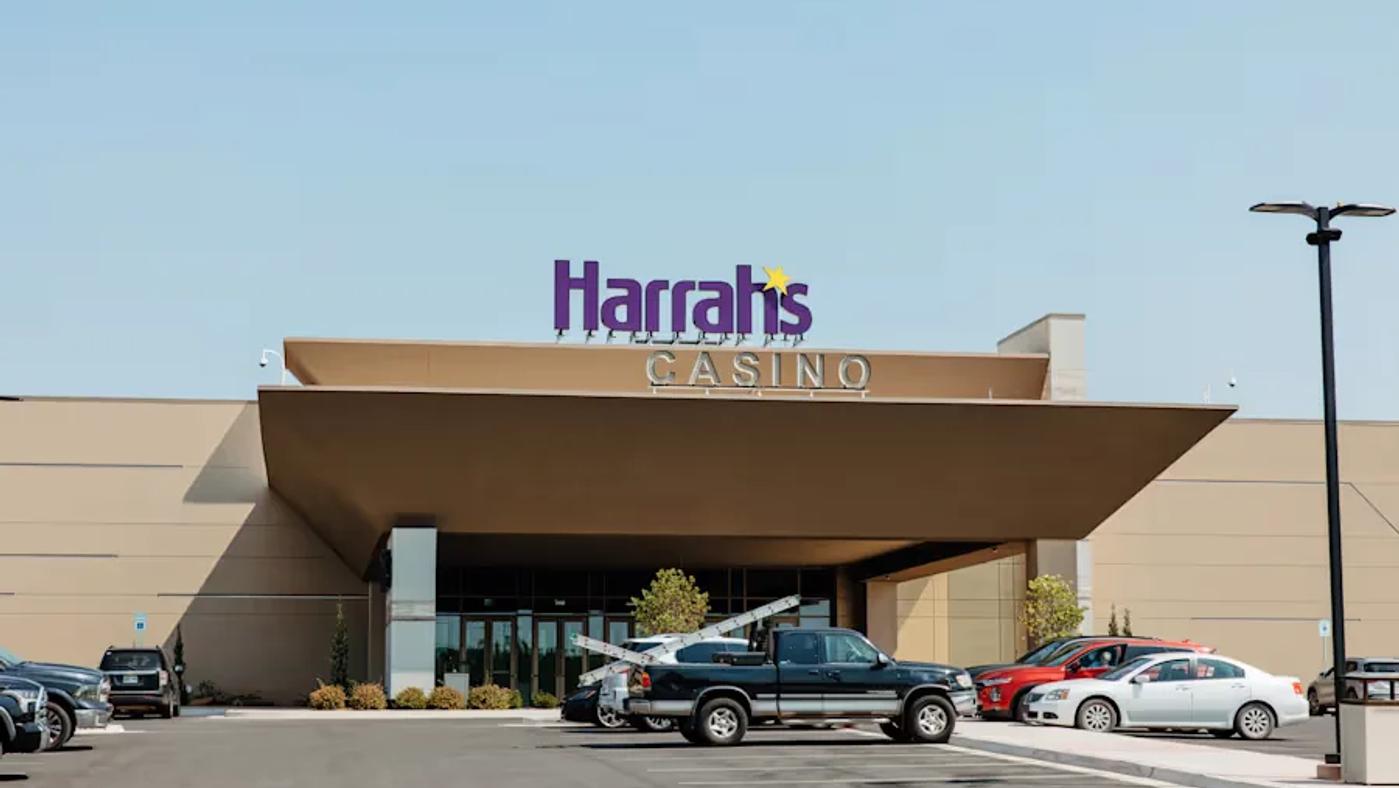
The National Indian Gaming Commission (NIGC) is facing a leadership gap that is limiting some of its most important powers at a difficult time for the tribal gaming industry.
The commission has operated without a permanent chairperson since January, when its previous chair left the position. According to an Associated Press report, President Donald Trump has yet to nominate a replacement, leaving the federal regulator unable to carry out certain responsibilities that are legally assigned to its chair.
The consequences are already being felt by tribal casino operators. The Iowa Tribe of Oklahoma, for example, opened a new Harrah's-branded casino in Chandler, Oklahoma, in April, but plans for Harrah's parent company to take over the property's day-to-day management remain stalled because the necessary management agreement cannot be certified without a commission chair.
For a tribal gaming industry that generated a record $46.2 billion in gross gaming revenue in 2025, the prolonged vacancy is raising concerns over delayed business agreements, enforcement and regulatory uncertainty.
NIGC Chair Holds Key Enforcement Powers
The NIGC was established in 1988 to regulate tribal gaming and support economic development on tribal lands. The commission now oversees an industry consisting of roughly 545 gaming facilities operated by about 250 tribal governments across 29 states, according to the report.
While the NIGC has three commissioners, federal law places several of the commission's most significant powers specifically with its chairperson. That includes enforcing certain federal gaming requirements, approving new tribal gaming ordinances and certifying management agreements between tribes and casino operators.
That has created a particularly frustrating situation for the Iowa Tribe of Oklahoma.
The tribe expected Harrah's branding and management expertise to help the new 175,000-square-foot casino attract customers and operate more efficiently. The property reportedly drew such strong interest when it opened that cars backed up outside the casino, but the tribe has been forced to continue managing the facility itself while the agreement remains unresolved.
"We're paying a fee and not getting the full value," Iowa Tribe Chairman Jacob Keyes told the Associated Press.
The additional management burden is significant for a tribal government that also has to deal with budgets and social programs. Keyes said the tribe's staff had expected to outsource casino management so it could focus on those responsibilities.
The lack of a chair also creates concerns around enforcement. According to the report, the NIGC typically issues several citations each year involving issues such as unauthorized gaming locations, missing financial reports and misuse of gaming revenues. Its most recent enforcement action was issued on January 12, the same day acting chairperson Sharon Avery's term expired. Avery remains a commissioner.
Former NIGC chair Jonodev Chaudhuri described the situation as leaving the agency with "one arm tied behind its back," warning that the current situation puts tribal gaming in a precarious position.
Prediction Markets Add To The Pressure
The leadership vacancy comes at a particularly important moment for tribal gaming because the industry is also dealing with the rapid expansion of online prediction markets.
Platforms such as Kalshi and Polymarket have increasingly offered contracts tied to sporting events and other outcomes, prompting tribal governments and gaming organizations to question whether some of these products amount to gambling that should fall under state and tribal gaming regulations.
Tribal leaders argue that prediction markets could undermine the exclusivity agreements that have allowed tribal casinos to operate certain forms of gaming. At least eight tribes have sued prediction market platforms, alleging that the companies accept wagers in areas where tribes hold exclusive gaming rights under the Indian Gaming Regulatory Act (IGRA).
The prediction market operators dispute that characterization, arguing that users are trading federally regulated contracts rather than placing traditional bets.
That distinction has become one of the most significant regulatory disputes facing the American gaming industry, and the NIGC is directly relevant to the tribal side of the debate.
According to former commission staff, the NIGC chair traditionally serves not only as the agency's chief regulatory authority but also as an important advocate for tribal gaming in Washington. The absence of a permanent chair therefore leaves tribes without one of their most important federal voices while Congress and federal regulators consider how prediction markets should be treated.
David Bean, chairman of the Indian Gaming Association and a citizen of the Puyallup Tribe, emphasized what is at stake for tribal communities.
"Every dollar generated by Indian gaming goes to fund healthcare for our people, education for our children, housing for our elders."
Those concerns extend beyond casino operators themselves. Tribal gaming revenues support government services and economic development across Indian Country, meaning prolonged uncertainty around the industry's regulatory framework could have consequences well beyond individual properties.
Tribes Wait For A Permanent Chair
The NIGC's leadership problem did not begin with the current administration. The previous Senate-confirmed chairperson's term ended under the Biden administration without a successor being confirmed.
In April, Trump appointed Billy Kirkland, a citizen of the Navajo Nation, to the commission as Assistant Secretary for Indian Affairs. However, the White House has not indicated when a new chairperson will be nominated.
The delay has become increasingly difficult to ignore as tribal gaming expands and new challenges emerge. The industry has just reported its strongest annual revenue figure on record, while operators are simultaneously dealing with new competition from online gaming products and major questions surrounding prediction markets.
For tribal casino operators, the issue is not simply about filling an empty seat in Washington. The NIGC chair has responsibilities that can directly affect whether casino management agreements move forward, whether federal gaming rules can be enforced and how effectively tribal interests are represented in national gaming policy.
For the Iowa Tribe of Oklahoma, that uncertainty is already affecting a major casino project. For the broader tribal gaming industry, the concern is what happens if the leadership gap continues while the regulatory landscape around prediction markets becomes even more complicated.
As Keyes put it, the situation is not something he views through a partisan lens.
"I don't want to sound like sour grapes, but when have Native American issues ever been prioritized by the federal government?"
For the latest tribal gaming news, casino developments, and gaming industry updates, stay tuned with UMG Gaming.