
Wisconsin Mobile Sports Betting Lawsuit Could Delay Regulated Esports Betting
Wisconsin's new mobile sports betting law is facing a constitutional challenge, with the outcome likely to affect regulated esports betting alongside traditional sports wagering.

CJ Zambale
Content Writer · August 7, 2026
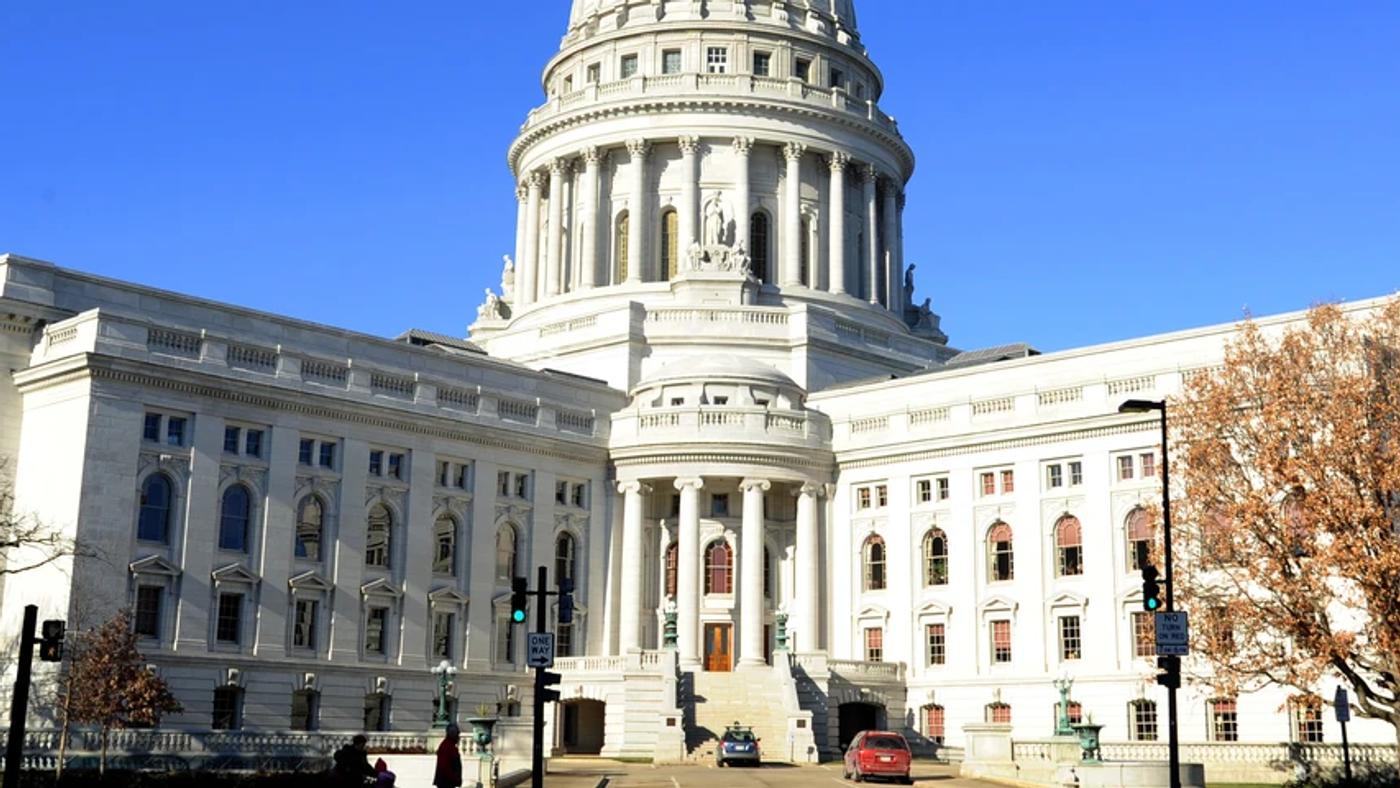
Wisconsin's newly approved mobile sports betting framework is facing an early legal challenge, creating uncertainty for the future of regulated online wagering in the state, including esports betting.
A lawsuit filed by the Wisconsin Institute for Law & Liberty (WILL) seeks to block Act 247, legislation signed by Governor Tony Evers in April that would legalize statewide mobile sports betting through servers physically located on tribal land. The law represents a significant expansion of Wisconsin's gaming market, but opponents argue it violates the state's constitution by effectively broadening gambling without voter approval.
While the case centers on sports betting, its outcome could also affect esports fans, as licensed sportsbooks increasingly offer wagering markets on major tournaments across Counter-Strike 2, League of Legends, VALORANT, Dota 2, and other competitive titles.
Lawsuit Challenges Wisconsin's Mobile Betting Framework
At the heart of the lawsuit is a constitutional amendment approved by Wisconsin voters in 1993, which placed limits on gambling expansion throughout the state.
The plaintiffs argue that Act 247 creates a statewide mobile betting market without first seeking another constitutional amendment. According to the lawsuit, allowing bets to be placed anywhere in Wisconsin while routing them through servers located on tribal land amounts to an attempt to bypass those constitutional restrictions.
Governor Evers' administration disagrees with that interpretation and has pledged to defend the law in court. State officials also argue that the legislation respects tribal gaming agreements while expanding legal wagering opportunities for Wisconsin residents.
The case will now move through Waukesha County Circuit Court, where judges will determine whether the framework can move forward while the legal challenge is resolved.
Esports Betting Could Also Be Affected
Although the lawsuit focuses on traditional sports betting, its outcome could have broader implications for esports.
Modern sportsbooks rarely limit their offerings to football, basketball, or baseball. Most licensed operators also provide betting markets on international esports competitions, allowing users to wager on tournaments such as the League of Legends World Championship, Counter-Strike Majors, VALORANT Champions, and other Tier 1 events.
If Act 247 ultimately survives the legal challenge, Wisconsin residents would gain access to those regulated esports betting markets through licensed mobile sportsbooks. If the law is struck down or delayed, online wagering on esports would remain unavailable through a regulated statewide platform.
That distinction is particularly important as esports betting continues to expand alongside traditional sports wagering. Licensed operators typically provide consumer protections, responsible gaming measures, and regulatory oversight that offshore betting websites may not offer.
Legal Fight Adds Another Chapter to Wisconsin's Gaming Debate
The lawsuit also arrives as Wisconsin remains involved in another high-profile gaming dispute, this time over prediction markets.
State officials continue to argue that sports event contracts offered by federally regulated platforms resemble traditional sports betting and should fall under state gaming laws. Tribal leaders recently echoed those concerns during a U.S. Senate Committee on Indian Affairs roundtable, urging Congress to protect tribal gaming agreements and clarify federal law surrounding prediction markets.
While the mobile sports betting lawsuit concerns a separate piece of legislation, both cases highlight Wisconsin's increasingly active role in shaping the future of regulated gaming.
For esports fans, the immediate issue is whether Act 247 will withstand constitutional scrutiny. A ruling in favor of the state would move Wisconsin closer to joining the growing number of jurisdictions offering regulated online sportsbooks with esports markets. If the challenge succeeds, that expansion could be delayed while lawmakers determine their next steps.
For the latest esports news, tournament coverage, and esports betting updates, stay tuned with UMG Gaming.